



August in review: Oral peptide delivery, protein pushback & postbiotic immune data

Key takeaways
- Oral delivery is moving peptides into supplement formats, with ingestion typically setting the legal boundary.
- Independent scientists question the low-protein longevity evidence, most of which comes from rodent and insect studies.
- Postbiotic clinical evidence is maturing across suppliers, from rapid immune-marker response to strain-specific trial design.
Nutrition Insight’s top stories for August explored the peptide market expanding into supplements via ingestible formats, while experts critiqued a review linking low-protein diets with slower aging, and Cargill’s EpiCor postbiotic was shown to reduce inflammatory markers quickly.
With Vitafoods Asia 2026 starting this week, we caught up with key players to discuss healthy aging and active nutrition trends, shaping their presentations at the event.
Additional highlights include wastewater technology tracking population diets through DNA and innovative technologies, such as water-based oleosomes for potential new nutrient delivery and precision pet nutrition for breed-specific formulation.
GLP-1 continued gaining attention with suppliers backing protein, biotics, and fiber to close nutrient gaps. Furthermore, ADM unpacked postbiotics and strain-specific microbiome clinical trials, while a new study found that gut bacteria convert nitrate and iron into heart-protective molecules.

Oral delivery blurs the line between supplement and gray-market peptides
The peptide market is growing fast, and so are safety concerns. The Council for Responsible Nutrition told us lawful supplements and gray-market peptides are “worlds apart,” with ingestion being the legal dividing line. Meanwhile, Quicksilver Scientific’s Dr. Chris Shade explained how the company’s liposomal oral delivery aims to overcome the bioavailability barriers limiting ingestible peptides. Bioiberica shared how functional ingredients support long-term wellness with Mobilee, Dermial, Collavant n2, and DAOgest.
Review links low-protein diet to longevity, but scientists question the evidence base
A review of 350 studies linked lower protein intake to slower aging through improved metabolism and reduced cellular damage. The authors suggested personalizing protein recommendations to age, activity level, and health needs. However, independent scientists cautioned that most evidence in the review comes from rodents and insects, limiting conclusions about these findings for humans. Responding to the study, the European Food Information Council raised questions about the role protein’s specific amino acid composition plays in healthy aging. In other longevity-related research, a one-month vegan diet changed DNA methylation patterns linked to inflammation, metabolism, and immune function. Also, Niagen Bioscience spotlighted new findings from one of the first human studies, suggesting that restoring nicotinamide adenine dinucleotide levels through supplementation may slow epigenetic aging in skeletal muscle following high-intensity exercise.
Cargill’s EpiCor postbiotic reduces inflammatory immune markers within hours, trial finds
A placebo-controlled crossover trial found a single 500 mg dose of Cargill’s yeast-derived postbiotic EpiCor significantly reduced pro-inflammatory immune markers and shifted CD25+ immune cell populations within one to three hours. The company’s scientific affairs lead, Dr. Justin Green, highlighted the findings and pediatric evidence on cold and flu symptoms. Meanwhile, Kemin shared that immune health is becoming an everyday priority among consumers, shifting from seasonal, reactive defense toward long-term well-being. Similarly, Austria Juice told us that active nutrition is shifting from sports performance toward everyday functionality.
Vitafoods Asia 2026 preview: Healthy aging and active nutrition among top trends
Ingredient suppliers expect healthy aging and active nutrition to be the main trends highlighted at Vitafoods Asia 2026, in Bangkok, Thailand (Sep 2–4). Ahead of the show, Nutrition Insight met with Puredia, Aker BioMarine, GC Rieber VivoMega, and Nexira to explore market demands, product innovations in omegas and botanicals, and consumer trends across Asian countries. We also caught up with the Vitafoods brand director and Sabinsa.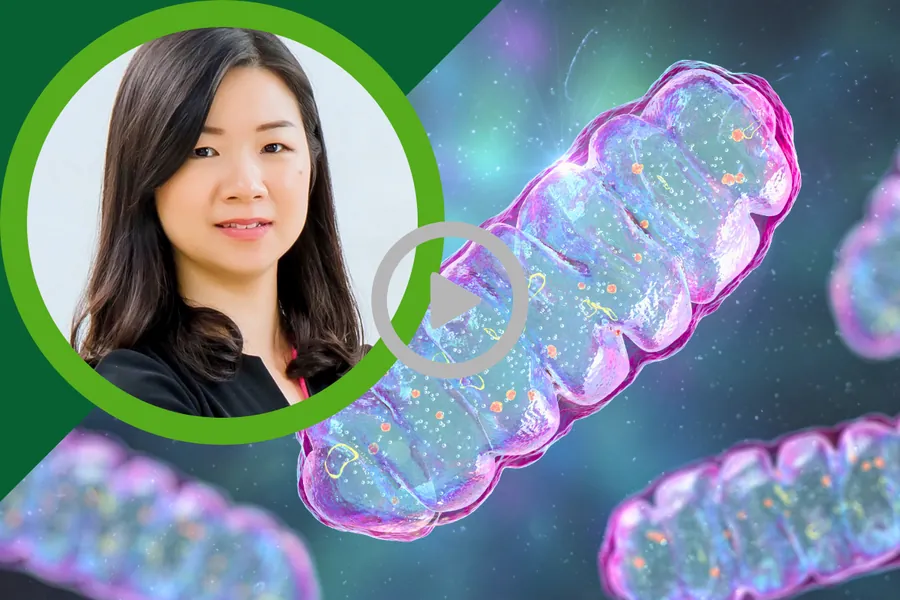 Kaneka Ubiquinol told us about the science behind mitochondrial health, the role of Ubiquinol, and how brands can separate strong science from marketing hype.
Wastewater technology can track population diets through DNA, researchers say
US-based researchers applied the same technology for tracking COVID-19 in municipal wastewater to map dietary habits. Duke University’s Lawrence David detailed how FoodSeq-FLOW works and pointed to potential uses for the nutrition industry. Using the technology, researchers identified regional, seasonal, and income-linked dietary differences that commonly used surveys miss.
Oleosomes offer clean label plant-based functionality with nutrient delivery potential
Botaneco is developing water-based oleosomes that deliver fat as intact oil bodies, potentially replacing separate emulsifiers and texturizers in plant-based formulations and ultra-processed foods. R&D director Jason Hargreaves shared that nutrient delivery and lipid digestion remain research opportunities, not proven health benefits for the ingredients. In other solutions aiming to improve the palatability of functional drinks, Synergy Flavors presented its Smart Sugar Control taste modulators, designed to improve sweetness perception and mask off-notes in reduced-sugar and high-protein beverages.
ADM unpacks postbiotics and strain-specific microbiome clinical trials
Expanding research on the gut and its connections to other health areas is driving product development in the nutrition industry. ADM said advances in women’s health metabolites, the gut-brain axis, and strain-specific research are supporting evidence-based solutions. ADM’s Dr. Malwina Naghibi highlighted microbiome breakthroughs and the role of clinical research. In related research, a clinical trial found that a daily 300 mg dose of Verb Biotics’ Keystone postbiotic enriches 33 beneficial gut species and reduces 38 linked to gastrointestinal distress. Valio discussed what reliability means for infant formula manufacturers, from fresh Finnish milk and full supply chain traceability to stringent quality controls.
Royal Canin targets precision pet nutrition and ingredient science with breed-specific formulation
In an ongoing “humanization” of the growing pet food market, owners increasingly project their health priorities onto their pets. However, Royal Canin’s global VP of R&D, Silvia Miret-Catalan, warned that human dietary trends do not translate to cats and dogs. She explained how the company links nutrients to a function for a specific breed, life stage, and health condition. On the labeling front in the US, RL Labs warned that most US pet food brands have not begun developing new labels according to the 2024 Pet Food Label Modernization initiative, pointing to the transition period ending in 2030.
Ingredient suppliers back protein, biotics & fiber to close GLP-1 nutrient gaps
Industry has been actively addressing nutrient deficiencies in GLP-1 users, such as protein, fiber, magnesium, and vitamin D. We spoke with FrieslandCampina Ingredients, Probi, Roquette, and HTBA to learn what consumer needs they are observing and how that is shaping approaches to companion product innovation. Meanwhile, a review suggested that precision nutrition could improve the effectiveness and tolerability of GLP-1 therapies for obesity and type 2 diabetes. The U.S. News & World Report also ranked the best GLP-1 telehealth platforms.
Gut bacteria convert nitrate and iron into heart-protective molecules, research finds
Research found that gut bacteria can transform dietary nitrate and non-heme iron into protective molecules — dinitrosyl iron complexes — that could lower cardiovascular and metabolic disease risks. Karolinska Institutet researchers in Sweden discussed research methods, diet implications, and what their team’s findings might mean for people with deficiencies in nitrate or iron. In related news, toddlers fed biofortified pearl millet for nine months had improved iron levels without the typical digestive side effects associated with iron supplements.