


Gut bacteria convert nitrate and iron into heart-protective molecules, research finds

Key takeaways
- Swedish researchers find gut bacteria convert dietary nitrate and non-heme iron into protective molecules called DNICs.
- In animal models, DNICs lowered blood pressure, improved blood sugar control, and reduced liver fat, with benefits strongest when nitrate and iron were combined.
- The team says dietary iron may explain why nitrate studies give mixed results, though human clinical benefit remains untested.

Research has found that gut bacteria can transform dietary nitrate and non-heme iron into protective molecules — dinitrosyl iron complexes (DNICs) — that could lower cardiovascular and metabolic disease risks.
Nutrition Insight speaks with two researchers from Karolinska Institutet in Sweden to discuss research methods, diet implications, and what their team’s findings might mean for people with deficiencies in nitrate or iron.
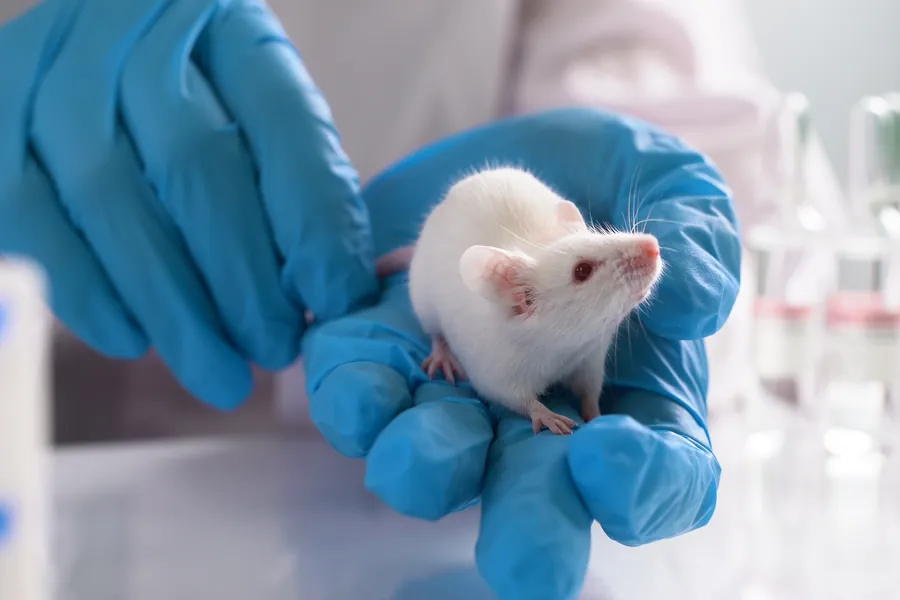
The Cell study reveals that key functioning organs absorb DNICs, especially the liver and kidneys. The team used insights from various kinds of studies, such as mouse experiments and tests on human samples, to establish the gut microbiota’s role in DNIC formation.
Additional findings include that supplementing with nitrate and iron, or taking synthetically produced DNIC, improved health markers in animal models. Benefits include lower blood pressure, better blood sugar control, and reduced fat accumulation in the liver.

The researchers caution the need for further studies on humans to understand how the benefits work mechanistically and explore how diet and gut microbiota could influence DNIC levels.
Complementary effects
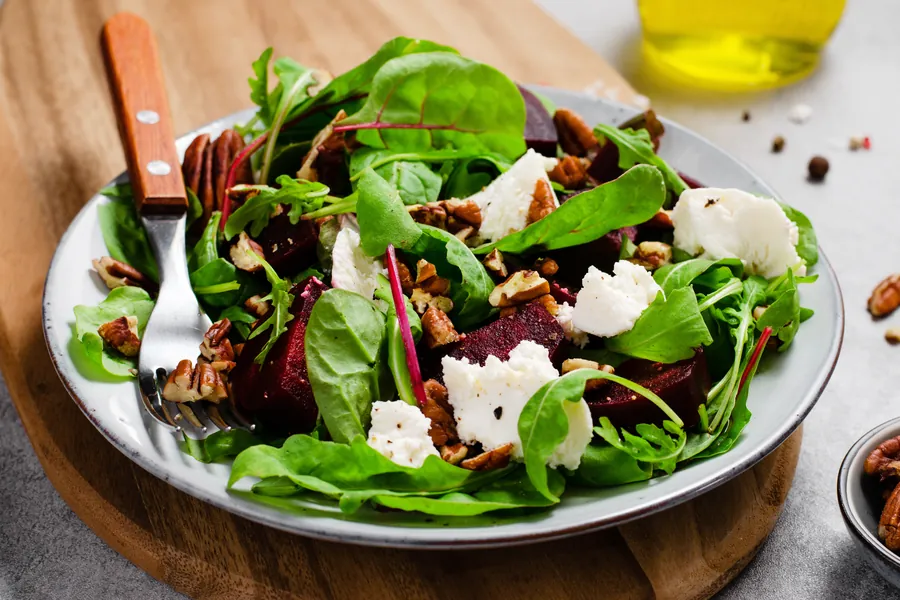
Nitrate is naturally present in many vegetables, especially in beetroot and leafy greens. Non-haem iron is a form that is also naturally found in plant-based foods, such as beans, whole grains, and green vegetables.
 Iron and nitrate are complementary instead of having equal beneficial effects, which gut bacteria convert into DNICs.Iron compounds can be harmful because they have the potential for a destructive redox reaction, says the study’s first author and co-corresponding author Andrei Kleschyov, senior researcher at the Department of Physiology and Pharmacology, Karolinska Institutet.
Nitrate may also bring undesirable effects due to oxidation of hemoglobin and other hemoproteins, he adds. “However, gut bacteria uniquely convert two potentially dangerous compounds into new protective molecules.”
Co-corresponding author Mattias Carlström, Pharm.D., Ph.D., professor of Cardiorenal Physiology, at Karolinska Institutet, further explains that iron and nitrate are complementary instead of having equal beneficial effects.
“Nitrate is the starting substrate that nitrate reductase (NR)-expressing bacteria reduce and use in the pathway leading to DNIC formation. Non-heme iron provides the iron component needed to form the DNIC. Iron alone did not increase DNIC levels or produce the same benefits.
“The strongest effects occurred when nitrate and iron were combined. The resulting DNIC is the protective signaling molecule.”
Previous studies on dietary nitrate have found it to boost the body’s production of nitric oxide (NO), which widens blood vessels and is linked to lower blood pressure and better exercise performance.
“In many previous studies, dietary nitrate supplementation has been used to support the nitrate–nitrite–NO pathway, while dietary iron levels have received comparatively little attention. Thus, it is possible that some of the beneficial effects observed following nitrate supplementation may actually be attributable to DNIC formation rather than to the generation of free NO,” posits Carlström.
“Moreover, the variable outcomes reported across studies using similar or identical doses of nitrate could potentially be explained, at least in part, by differences in dietary iron availability.”
Strengthening research conclusions
The team used analytical methods to identify DNIC in various types of tissues. Because they found that DNIC was absent in germ-free mice, they concluded that the gut microbiota is essential for their formation.
 The study combined in vivo, in vitro, biochemical, cellular, and human-sample approaches to strengthen conclusions.“The study deliberately combined in vivo, in vitro, biochemical, cellular, and human-sample approaches so that the same mechanism could be tested from several angles,” explains Carlström.
The team used electron paramagnetic resonance (EPR), enabling them to directly detect and quantify DNICs in tissues and cells, he adds.
“Human fecal samples and Escherichia coli showed that the mechanism is not restricted to mice and identified NR as essential. Vascular, biochemical, and cellular experiments established how DNICs act,” details Carlström. “HepG2 [human liver] cells and primary human liver spheroids provided evidence that the protective effect can occur in human liver cells.”
He explains that employing several complementary methods strengthens their conclusions. Kleschyov adds that EPR also enabled spotting molecules in tissues without needing to break them down. “No other methods are specific and sensitive enough to do so.”
“So far, researchers have concentrated on the larger signals, while the small peak, which might belong to DNIC, was generally ignored. We demonstrated that this small EPR feature is due to DNIC, which is constitutively present in the livers and kidneys of healthy animals but was absent in germ-free mice.”
“Furthermore, we found that the DNIC signal (and thus tissue DNIC levels) is sharply elevated in control animals consuming nitrate in combination with nonheme iron in a gut microbiota-dependent process. Thus, the role of the EPR was absolutely indispensable in this work,” he details
Supporting gut bacteria
The researchers revealed that key gut bacteria express NR, making dietary nitrate and non-heme iron essential to boost DNIC formation, says Carlström.
 The paper shows that nitrate alone was ineffective in mice on a near-zero-iron diet.He points to important foods, such as beetroot, leafy greens, beans, whole grains, and nuts. “The study does not, however, establish a particular named human diet, such as Mediterranean versus vegetarian, as the optimal diet.”
“Practically, the findings suggest that a diet providing nitrate-rich foods together with adequate non-heme iron would provide the substrates needed for this pathway. Importantly, the paper shows that nitrate alone was ineffective in mice on a near-zero-iron diet, whereas nitrate plus iron produced metabolic benefits and increased DNIC formation.”
Kleschyov adds: “The most important bacterial species, as well as specific diet supplements busting endogenous DNIC formation, are going to be determined in the future.”
Nutrient deficiency impacts
According to Carlström, the study suggests that an iron deficiency might hinder gut bacteria’s ability to convert dietary nitrate into DNICs, thus potentially reducing the microbiota-dependent signaling pathway
“In the mouse experiments, nitrate supplementation provided no metabolic benefit when dietary iron was nearly absent, whereas nitrate plus iron restored the beneficial effects. However, these findings do not yet justify recommending nitrate or iron supplementation to deficient individuals specifically to increase DNIC production,” he warns.
Kleschyov says: “Our data suggest that DNIC is efficiently absorbed in the gut and transported with the blood as an intact entity, independently of the common Fe transport systems. Thus, it is not excluded that nitrate supplementation may help people with iron deficiency.”
According to Carlström, if human studies could prove the cardiometabolic benefits of nitrate or iron supplementation, it could potentially lead to specific dietary recommendations aimed at supporting DNIC generation
An alternative would be finding specific bacteria carrying nitrate reductase that can effectively generate DNICs from nitrate and iron, he adds. This could lead to new probiotic development.
“In short, adequate iron and dietary nitrate may be important substrates for this newly identified microbiota pathway, but whether correcting iron or nitrate deficiency in humans increases DNICs and improves health remains to be tested clinically,” concludes Carlström.