




Biofortified pearl millet improves toddler iron levels and gut health without side effects


Key takeaways
- Toddlers fed biofortified pearl millet for nine months had improved iron levels without the typical digestive side effects associated with iron supplements.
- The food-bound iron enhanced beneficial gut microbiome pathways that fight pathogens and reduce harmful bacteria in young children.
- Cross-bred pearl millet used in the study contained nearly three times the iron of standard crops, offering a food-based alternative to supplements.
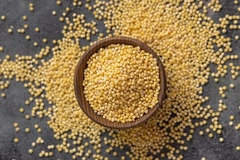
New pediatric dietary research has found that toddlers fed iron- and zinc-biofortified pearl millet for nine months did not experience the digestive discomfort that is typically associated with increased iron intake through supplements. Additionally, the study found they developed gut microbiomes with potential antibiotic, antioxidant, and pollutant-degradation benefits.
Previous studies have found that supplements can disrupt the gut’s bacterial ecosystem, which can fuel populations of harmful pathogens in the colon while inhibiting the growth of beneficial microbes.
This can lead to symptoms such as diarrhea, constipation, and tarry stools, note the US-based authors of the report at Cornell University’s Joan Klein Jacobs Center for Precision Nutrition and Health.
To learn more about the findings’ implications for nutritional guidelines for children, Nutrition Insight speaks to the study’s principal investigator, Dr. Saurabh Mehta, founding director at the Jacobs Center.
“In the exploratory analyses, children eating the biofortified millet showed increased activity in microbial pathways associated with fighting pathogens, including the production of natural antibiotic-like compounds, and with antioxidant metabolism, which helps maintain a healthier gut environment,” he explains.
At the same time, the researchers observed that markers linked to harmful bacteria were lower in their guts by the time the study concluded.
“While the key difference between study arms was the content of iron and zinc, there are other differences in biofortified crops compared to conventional crops that may be responsible for explaining some of these observations,” says Mehta.
Cultivating a special millet variety
The findings, published in Nature Communications, represent what the researchers believe is one of the first studies to examine how biofortified crops affect the human gut microbiome.
Researchers collaborated with growers to create a pearl millet variety that packs nearly three times the iron of regular millet, and more zinc than is typical. They used traditional cross-breeding to achieve this.
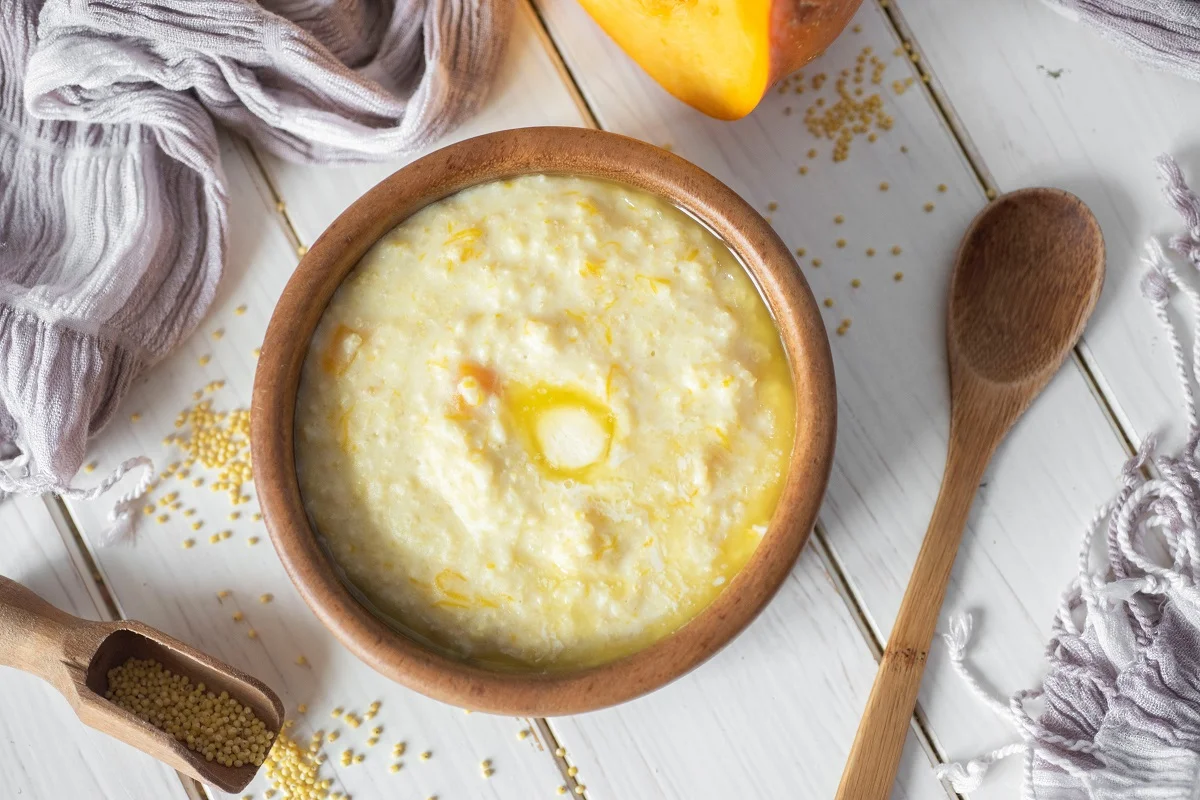 Unlike supplements, biofortified crops can be incorporated into diets as regular food, which may offer a self-sustaining approach to nutrition.This study trial involved 223 children between 12 and 18 months old in Mumbai, India, where iron deficiency and anemia remain stubbornly common.
Unlike supplements, which require distribution infrastructure and depend on consistent consumption, the researchers note biofortified crops can be grown and eaten the same way ordinary crops are and may offer a self-sustaining approach to improving nutrition.
“Iron from biofortified millet may affect the gut microbiome differently from iron supplements, because both the dose and the form of delivery are different,” explains Mehta. “One is food-bound and is also closer to the physiological dose versus a pharmacological dose.”
The researchers developed millet-based foods and recipes for the study with help from SNDT Women’s University in India, and delivered them to 20 sites in partnership with the Centre for the Study of Social Change, a Mumbai-based NGO.
Future of biofortified crops
The researchers explain that iron deficiency impacts roughly one in four people globally and particularly affects young children, with the potential to stunt brain development, leaving the body vulnerable to infection.
“We thought that a food-based approach could help us move away from one-size-fits-all supplementation strategies to address population health, while also being a way to personalize nutritional interventions,” says Mehta.
Although the trial did not test whether biofortified crops can be used to deliver other micronutrients while also supporting a healthier gut microbiome, he notes other studies have delivered nutrients such as vitamin A using such crops.
“I don’t know if any of these have looked at the microbiome, however,” notes Mehta.
“We believe the use of biofortified staple foods is a viable complementary strategy and not necessarily a replacement for other ways to alleviate micronutrient deficiencies. Depending on context and extent, a mix of long-term and short-term solutions may be needed for the greatest impact.”
Mehta says larger studies with longer follow-up or follow-up studies of already conducted trials can help shed light on such important questions.