



Vitafoods Asia 2026: APAC beauty-from-within markets turn to gut-skin axis and longevity


Key takeaways
- APAC’s established nutricosmetics market is becoming more science-led, with consumers and regulators demanding clinical substantiation and clear claims.
- Localization is key for brands entering the region who need to adapt global trends to local ingredients, beauty traditions, formats, and consumer expectations.
- Vitafoods’ brand director points to longevity, convenience, and the gut-skin axis as emerging key growth areas.

An awareness of healthy aging and the gut-skin axis is shaping a new wave of nutricosmetic innovations in the Asia-Pacific (APAC) region. Ahead of Vitafoods Asia 2026, we explore opportunities in the region for brands that can combine convenient delivery formats with science-backed ingredients based on botanicals.
Nutrition Insight speaks with Gareth Baguley, Vitafoods brand director, who says the APAC region has embraced beauty-from-within for many years, creating one of the world’s most established nutricosmetic markets.
“Mature markets such as South Korea and Thailand have helped drive acceptance of ingestible wellness solutions locally and globally, creating a strong foundation for further innovation in beauty-from-within,” he tells us.

“What makes APAC particularly interesting is the way its strong heritage of preventative wellness can provide a foundation for modern innovation,” Baguley adds. “Botanicals and traditional ingredients like ginseng and curcumin continue to play an important role in consumers’ routines, giving brands a wealth of familiar actives and wellness practices to build on.”
At the same time, he says the category is becoming more sophisticated, and consumers increasingly want to understand how ingredients work and what evidence supports the benefits they are being promised.
He sees an opportunity for brands to bring heritage and science closer together. “Rather than moving away from traditional ingredients, they can use modern clinical research to better understand and substantiate their benefits, while also exploring where emerging science can take the category next.”
APAC consumers
Baguley notes that the APAC region is incredibly diverse with different cultural influences, beauty rituals, and approaches to health and wellness.
 Baguley notes that APAC’s strong heritage of preventative wellness can provide a foundation for modern innovation.“While global trends can spread quickly across borders, the way consumers interpret and adopt those trends is often shaped by local expectations. So, a concept that resonates in one market cannot simply be copied and rolled out unchanged across the region.”
For example, he says that more mature beauty supplement markets such as Japan and South Korea often act as innovation hubs, where ingredients such as hyaluronic acid and ceramides are gaining momentum. Meanwhile, he says emerging active ingredients, such as proteoglycan, are attracting interest. Baguley adds that this growing adoption is also influencing neighboring markets.
“However, adoption is shaped by local preferences and traditions,” he notes. “Across APAC, brands are combining trending beauty actives with familiar regional ingredients — from mangosteen-based jellies in Thailand to turmeric gummies in Vietnam — creating concepts that feel both innovative and culturally relevant.”
He notes that this is part of a broader global shift in beauty-from-within, pointing to Innova Market Insights Top 10 Trends 2025. “One in five consumers globally have purchased products to improve their physical appearance, and launches with skin health claims have grown by 15% over the past five years, but how this interest translates into products can be highly local.”
“For example, when analyzing recent global trends, Innova Market Insights highlighted the importance of cultural familiarity, with nearly half of consumers globally valuing foods that reflect their culture and diversity,” Baguley adds.
Convenience-led formats
The region also has a strong culture of convenience, says Baguley. For example, he highlights Taiwan’s highly developed convenience store ecosystem and Japan’s ubiquitous vending machines, which offer everything from snacks to everyday essentials.
“That same appetite for flexibility is evident in the supplement category, where consumers are increasingly embracing more convenient formats such as gummies, powders, and liquids.”
He says brands have an opportunity to move beyond traditional supplement formats and translate familiar skin care concepts into more accessible ingestible experiences, such as gummies, to appeal to convenience-oriented consumers.
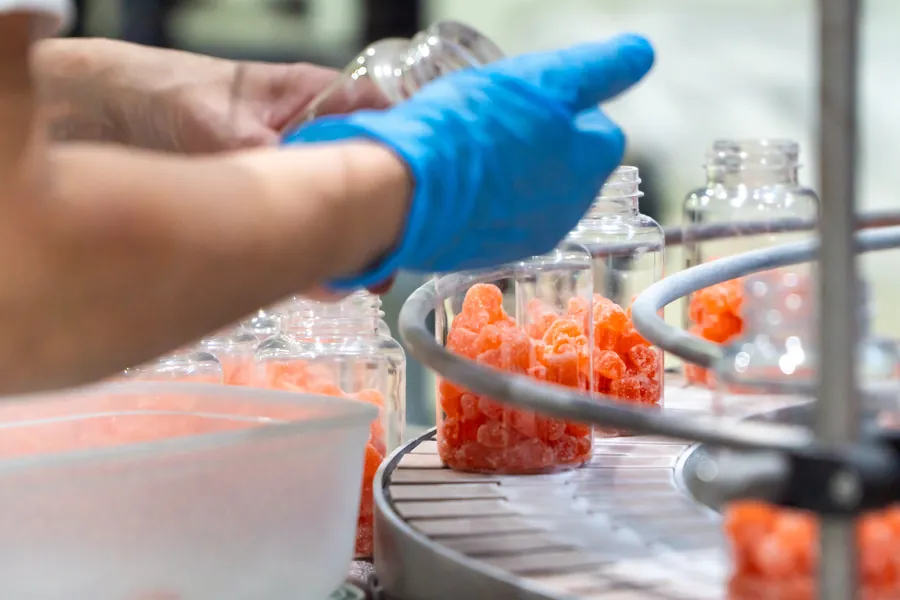 In supplements, consumers are increasingly embracing more convenient formats such as gummies, powders, and liquids.“Research from Innova highlights how beauty is increasingly moving into mainstream food and beverage, with growing use of beauty and skin-health claims across categories such as bottled water, juices, and dairy.”
Baguley highlights orally delivered retinol as an example of how topical beauty trends can be adapted into inside-out solutions. In Southeast Asia, this concept could be localized to address regional concerns such as humidity-related breakouts, uneven skin tone, and sun exposure, while offering convenient alternatives or complements to topical routines.
“New delivery formats are also helping bring these concepts to life,” he adds. “For example, portable oral strips combining retinol with skin-supporting ingredients such as hyaluronic acid and vitamin C demonstrate how established beauty ingredients can be transformed into convenient, on-the-go solutions.”
At the same time, Baguley notes that brands need to understand local preferences and consumption habits to create products that resonate with consumers. Although successful concepts from more mature markets, such as Japan’s edible sunscreen sticks or Thailand’s probiotic powders, can provide valuable inspiration, he says these need to be adapted into formats, benefits, and experiences that align with regional needs and behaviors.
Nutrition for life and longevity
Healthy aging will be a strong focus at Vitafoods Asia 2026, reflected in the theme “Nutrition for Life & Longevity.” Earlier this week, Aker BioMarine also pointed to healthy aging as a key trend in the region.
“With APAC’s aging population creating growing demand for solutions that support health and quality of life across the lifespan, we expect healthy aging to be a strong thread running through beauty-from-within innovation at the show and beyond,” details Baguley.
“In practice, we’ll likely see growing interest in ingredients with robust evidence for supporting skin health as we age, with a greater focus on maintaining hydration, structure, and resilience rather than simply addressing visible signs of aging.”
He also expects innovations in formats designed around different life stages and consumer needs. For example, he highlights gummies and convenient beauty drinks for younger consumers and easy-to-consume powders and small-format supplements designed to support women through midlife and older consumers looking to maintain skin health as they age.
“This push toward beauty-from-within across life stages will be reflected in this year’s content agenda, including at our dedicated Beauty Supplement Stage, where expert-led sessions will explore how science and premium ingredients are coming together to create beauty-from-within supplements for today’s needs,” says Baguley.
 Healthy aging will be a strong focus at Vitafoods Asia 2026, reflected in the theme “Nutrition for Life & Longevity.”He notes that APAC’s rising population age is one of the biggest forces shaping nutrition innovation in the region. “And as people live longer, the focus is increasingly moving from addressing individual health concerns to supporting well-being across the lifespan — creating a much broader canvas for innovation.”
Gut-skin axis awareness grows
As in the rest of the world, APAC consumers are making stronger connections between what happens inside the body and how they look and feel on the outside, shares Baguley. Citing Innova Market Insights data, he says that this trend results in a growing appetite for proactivity, with 34% of APAC consumers considering supplements a direct action to maintain their health.
Moreover, APAC consumers are increasingly educated on the multifaceted role of the gut. Baguley says that this growing awareness makes the gut-skin axis an interesting area for beauty-from-within innovation.
“Within this space, I see particular potential in ingredients that support a healthy gut environment, like prebiotics, probiotics, postbiotics, and fiber.”
However, he cautions that the opportunity isn’t simply adding a microbiome ingredient to a beauty product since broad claims in this market can overtake the evidence.
“To succeed, the category needs to become more precise about why a particular ingredient is being used, which part of the gut-skin pathway it is targeting, and what skin outcome it is expected to influence, whether that’s skin hydration, barrier function, or overall skin appearance.”
Baguley predicts that companies that invest in robust clinical research and can clearly make the connection between the gut-supporting ingredient and claimed skin benefit will be better placed to build trust and differentiate their products as the category develops.
He adds that the strongest opportunities in longevity will likely also stem from products that support underlying factors of healthy aging, such as maintaining skin structure, hydration, and resilience. For example, he points to ingredients that already have strong scientific substantiation, such as specific collagen peptides and hyaluronic acid.
Science and transparency
Baguley underscores the importance of the strength of the science behind product claims. As the category expands, consumers and regulators expect greater transparency, which means that brands need to provide meaningful evidence supporting an ingredient’s role and benefits.
 According to Baguley, APAC consumers are increasingly educated on the multifaceted role of the gut, making the gut-skin axis an interesting area for innovation.“Moving beyond generic claims will require investing in robust substantiation, including well-designed human clinical studies, ingredient-specific research, a clear understanding of mechanisms of action, and evidence that supports the final formulation and recommended dosage,” he details.
He adds that translating science into clear, meaningful communication that consumers can understand and trust is essential as well. “This means moving away from broad promises and focusing on how a product works and what benefits consumers can realistically expect.”
For example, he says that a product should not rely only on the general recognition of collagen as a beauty ingredient. “Brands will need to demonstrate why a specific collagen ingredient has been used in their formulation, which dose is most effective, and what exact skin benefits the formulation will deliver.”
From a regulatory perspective, Baguley says that brands will need to be well-versed with the varied and evolving requirements across the region.
“For example, Japan’s ‘Foods with Function Claims’ system allows companies to notify claims based on their own scientific substantiation, without requiring individual government approval. But in South Korea, companies must submit evidence on safety and functionality to the Ministry of Food and Drug Safety for formal regulatory review and recognition.”
Therefore, he says that manufacturers will need evidence that is not only backed by robust science but is also appropriate to the specific regulatory framework in each market.