




Ingredient suppliers back protein, biotics & fiber to close GLP-1 nutrient gaps

Key takeaways
- Ingredient suppliers say that GLP-1 users risk shortfalls in protein, fiber, and micronutrients as food intake drops.
- Protein and muscle preservation are a central focus, with lean-mass loss making up a meaningful share of GLP-1 weight loss.
- Suppliers position biotics, nutrient-dense formats, and fatigue support as multifunctional answers to eating less.

Industry is actively addressing nutrient deficiencies in GLP-1 users, such as protein, fiber, magnesium, and vitamin D. Nutrition Insight speaks with FrieslandCampina Ingredients, Probi, Roquette, and HTBA to learn what consumer needs they are observing and how that is shaping approaches to companion product innovation.
Speaking with these same industry players, we previously explored what the data gap means for nutrition industry innovators in the weight-loss market, since many GLP-1 clinical trials are not tracking what patients are consuming.
High-quality protein and biotics
According to FrieslandCampina Ingredients’ marketing manager for Performance and Active Nutrition, Penny Antonopoulos, people are growing more aware of nutrient deficiencies linked to GLP-1s, but “it’s more nuanced than the headlines suggest.”

“Preliminary research indicates that GLP-1 users may be falling short on a range of key nutrients, including calcium, iron, magnesium, potassium, several vitamins, and choline, as well as fiber and protein.”
“At the same time, many are navigating digestive challenges and trying to maintain energy levels, muscle mass, and day-to-day well-being. While the evidence is still developing, these signals are significant enough to consider during the development of GLP-1 companion products.”
Antonopoulos further underscores how essential protein is for GLP-1 users, with some studies suggesting that a meaningful proportion of GLP-1-supported weight loss may come from lean body mass.
Hence, muscle preservation should be a priority throughout the treatment, she adds. “Consumer behavior suggests that those taking GLP-1s themselves recognize this need, with a growing proportion reportedly increasing their protein intake in response.”
“We focus on delivering high-quality protein in small portions, ensuring easy digestibility and gentle formats to support tolerance and combining protein with nutrient density. Our advantage is the ability to combine different protein types with pre- and postbiotics to engineer highly efficient, nutrient-dense formats that are both easy to consume and well tolerated.”
 Muscle preservation should be a priority throughout the GLP-1 treatment, says Antonopoulos.“What’s more, we have completed quantitative studies into the perceived benefits of different proteins on digestive comfort, satiety, and product experience,” adds Antonopoulos.
She also points to growing attention on gut health since many GLP-1 users appear to proactively increase prebiotic and probiotic intake, likely due to side effects of the medication, causing nausea, digestive discomfort, vomiting, and diarrhea.
“Our unique Fermentis solution answers this multidimensional need — combining high-quality whey protein for satiety and muscle support with prebiotic galactooligosaccharides and postbiotic cultures for gut microbiome balance — in a first-of-its-kind single system through a unique fermentation process,” Antonopoulos highlights.
“For people navigating gastrointestinal discomfort and the risk of lean mass loss simultaneously, that kind of multifunctional approach is where we believe the most meaningful innovation lies.”
Power of biotics
Brandy Webb, ND, scientific affairs manager at Probi USA, emphasizes that gaps in key nutrients such as protein, fiber, magnesium, and vitamin D, also starve the gut microbiome of GLP-1 users, not just the body.
“For instance, low fiber intake reduces short-chain fatty acid production, which plays a role in gut integrity, immune function, and even natural GLP-1 signaling. Less dietary variety can also shrink microbial diversity, potentially amplifying metabolic challenges over time.”
“At Probi, we believe that biotics present considerable benefits for GLP-1 users by helping the body do more with less. With reduced intake, the challenge isn’t just deficiency — it’s maintaining efficiency across digestion, absorption, and the microbiome.”
She adds that certain probiotics and postbiotics also help digestion and gut barrier integrity to boost protein’s amino acid absorption. For fiber, biotics can help in various ways.
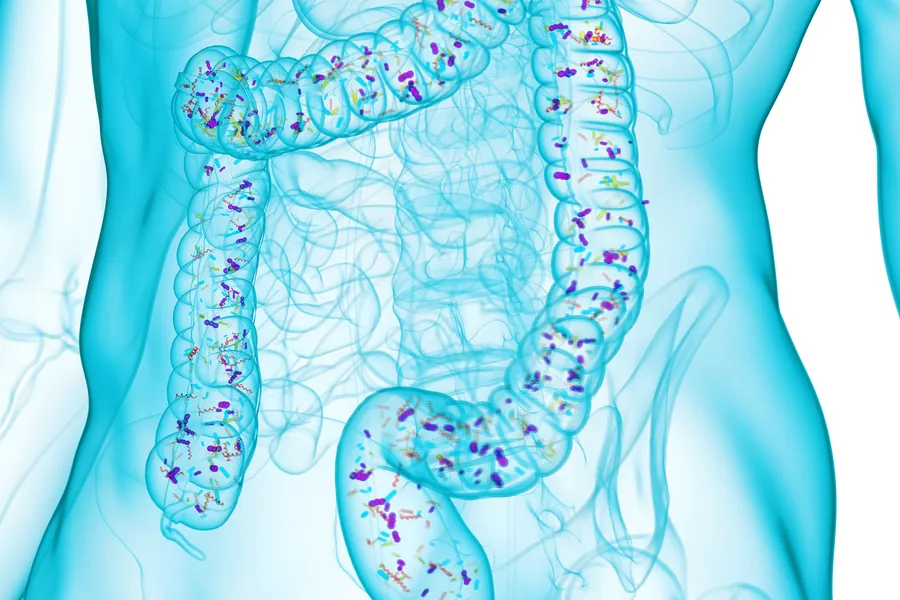 Webb highlights that nutrient gaps starve the gut microbiome, not just the body.“Prebiotics restore fermentable substrates, probiotics sustain fermentation, and postbiotics can directly supply key metabolites like butyrate — preserving gut and metabolic function. When it comes to micronutrients, certain probiotic strains can improve solubility and absorption.”
“The key takeaway for us is that in a GLP-1 context, biotics act as metabolic amplifiers — helping maintain nutrient utilization and microbiome function even as intake declines,” underscores Webb. “This drives us to continue exploring how biotics can help the body get more out of less, supporting digestion, mineral absorption, and overall gut health, as well as how they can help mitigate common GLP-1 side effects.”
Nutrient density format challenges
Elodie Dehay Harmel, Nutrition & Health research scientist at Roquette, points out that GLP-1 users increasingly focus on nutrient density to cover gaps in the recommended intake of nutrition, especially in protein and fiber.
“We’re seeing a growing focus on nutrient density so that people can hit their nutritional targets even with smaller portions.”
“Protein remains a major focus because it helps support muscle maintenance and satiety — both of which are important considerations during weight-loss journeys. As part of this, plant proteins like pea protein are gaining traction for their strong nutritional profiles that work well in compact, nutrient-dense formats.”
 Dehay Harmel says that pea protein is gaining traction for its strong profiles that work well in compact, nutrient-dense formats.“Fiber is another key area of focus. As well as supporting satiety, soluble fibers can contribute to digestive wellness and a healthy gut microbiome. More broadly, there is growing interest in combining protein, fiber, and targeted micronutrients within a single product to help consumers address multiple nutritional needs at once.”
Manufacturers face the challenge of delivering these benefits without compromising taste, texture, or convenience, notes Dehay Harmel. However, the challenge creates opportunities for more multifunctional food and snacks in compact formats that are still enjoyable.
Fatigue factor
Alongside muscle loss, Teresa Pellicer, product manager of Biotechnology at HTBA, says fatigue is also a prevalent and under-addressed effect of GLP-1 use.
“When caloric intake drops by 20–25%, as is typical, the body can draw on lean muscle mass for energy if it isn’t actively supported. At the same time, users frequently experience sustained fatigue, both physical and cognitive.”
She points to HTBA’s Leanara, which was developed to address these issues through two complementary mechanisms: “Proprietary bioflavonoids that support fat oxidation and muscle power and highly bioavailable vitamin B12 to reduce fatigue and support cognitive function.”