




Vitafoods Asia 2026: Microbiome, longevity & fun formats reshape nutraceuticals

Key takeaways
- Longevity, microbiome science, and metabolic health emerged as key drivers of nutraceutical innovation at Vitafoods Asia 2026.
- Amid a growing microbiome literacy in Asia, industry experts pointed to growing demand for science-backed solutions that connect the gut with benefits in cognition, muscle preservation, and healthy aging.
- Fun, functional formats and protein-enriched products are expanding as consumers seek convenient ways to support everyday health.
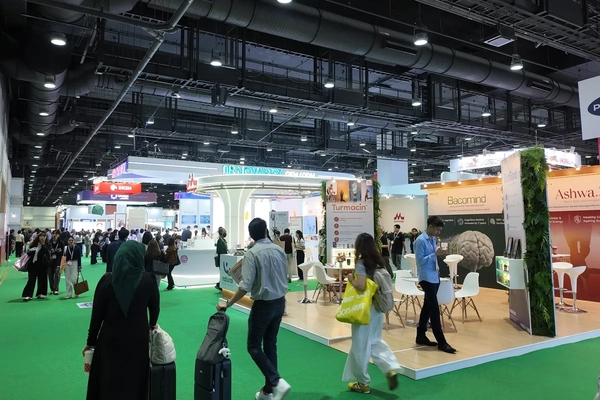
Healthy longevity emerged as the key theme at Vitafoods Asia 2026 in Bangkok, Thailand (Sep 2–4), where industry experts highlighted innovations in metabolic health, the gut microbiome, muscle preservation, delivery formats, and protein for sports recovery.
On the show floor, Nutrition Insight spoke with experts from Ujala Life Sciences, Novonesis, OmniActive Health Technologies, Lallemand Bio-Ingredients, AceBiome, and Valio.
Nutraceutical expert Silvi Siddhu, who represented Ujala Life Sciences at the show, pointed to healthy longevity as the main trend at Vitafoods Asia. She noted this includes cellular aging, metabolic health, and muscle preservation.

At the same time, she expressed excitement about the growing focus on women’s health. “We’re moving away from multivitamin solutions to finding solutions around concerns and issues with perimenopause, menopause, fertility, and even lactation.”
Another key trend she spotted is the gut microbiome. “I think the understanding around the gut microbiome is fascinating across all demographics. This is not only about what it does in the gut, but also covers the association of that microbiome and other organ axes, such as mood, skin, and brain.”
Petrine Stokkebye, marketing manager, Japan, Korea, and Southeast Asia at Novonesis, highlighted a strong difference between Asia and the West in the gut microbiome. “For example, in Korea or Japan, there’s quite a strong literacy when it comes to the microbiome.”
 We also spoke with Beneo, Morinaga Milk, and Gelita about innovations in prebiotics, probiotics, and collagen science.She added that in many countries, there is already a strong cultural heritage around fermentation, for example, with foods such as kimchi, miso, and natto. “Dietary supplements are just the next level of sophistication on top of an already existing cultural connection with fermentation.”
Next-gen microbiome solutions
Consumers across Asia are becoming more informed about the microbiome, and Stokkebye said that “it’s not enough to be a probiotic on the market anymore.” She spots a growing level of scrutiny in the dietary supplement industry.
“A good analogy would actually be the iPhone,” she added. “People don’t just want an iPhone; they want an iPhone 17, and they want all the specs to support it. It’s the same when we talk about dietary supplements.”
The next generation of microbiome solutions needs to tap into two factors, said Stokkebye. “One is understanding the consumer profile, and two is to understand and adapt to a consumer’s way of living.”
“If you take a market like South Korea, today, 20% of the population is 65-plus. We need specific dietary supplements that can meet the needs of this consumer group. But, if you look at a region such as Southeast Asia, with high levels of humidity, a lot of consumers have to put their dietary supplements in the fridge.”
However, she noted that consumers still want the convenience of storing products outside, on their kitchen counters.
Stokkebye said Novonesis is harnessing science, innovation, and consumer knowledge to deliver these solutions.
Pramod Thota, CEO of OmniActive Health Technologies, spotted the gut-brain axis as a new and emerging category, moving into the eye-gut-brain axis.
“As vision and cognition are closely related, your gut and brain health are also closely related. It goes back to some of the olden philosophies that we all had: if you keep your gut straight, everything else will work out.”
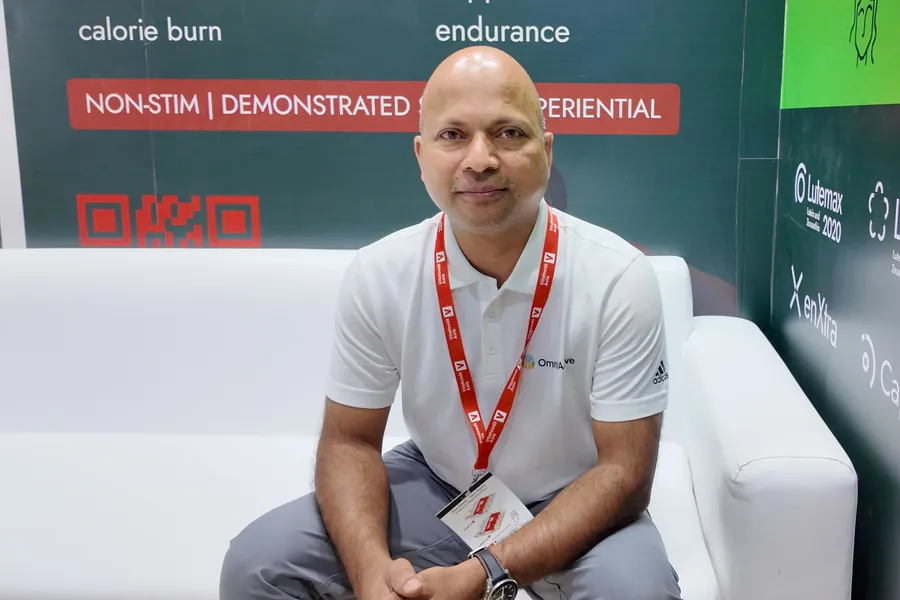 Thota said OmniActive Health Technologies spots Southeast Asia as the next frontier after India and China.“Now, we are understanding the science behind it,” he added.
From gut health to mode of action
Philippe Caillat, category manager for Gut & Immune Health at Lallemand Bio-Ingredients, highlighted the company’s Gastro-AD at Vitafoods Asia 2026. He noted that the science-backed ingredient has been tested in more than 900 people.
“Why we are focusing on it at Vitafoods Asia 2026 in particular is because last year we got a health claim in South Korea for this ingredient — that it may help protect the gastric mucosa and support stomach health,” he added.
For the future, he believes the development of science and knowledge regarding the microbiome will drive innovation even further. “We’ve talked for a long time about the gut as your second brain, the gut-brain axis, etc. I think we are at the beginning of the discovery of what’s happening here that has so much impact on the rest.”
Additionally, Caillat expects scientific research will continue to uncover specifics about ingredients’ modes of action.
For example, he pointed to an analysis on Gastro-AD linking a “symphony of compounds” to its effects. “We were thinking that one compound had the effect that Gastro-AD is showing. In fact, it’s multi-compounds, and the fact that they are all together in a certain configuration is what brings the effect.”
Metabolic balance
Myeong Hee Kim, CEO of AceBiome, highlighted an opportunity in Asian markets in helping to shape what successful weight management looks like.
“Consumers want more than just weight loss. They’re looking at digestive health, body composition, and overall well-being throughout their journey. Asia is the perfect market for this because many consumers here actually use probiotics every day.”
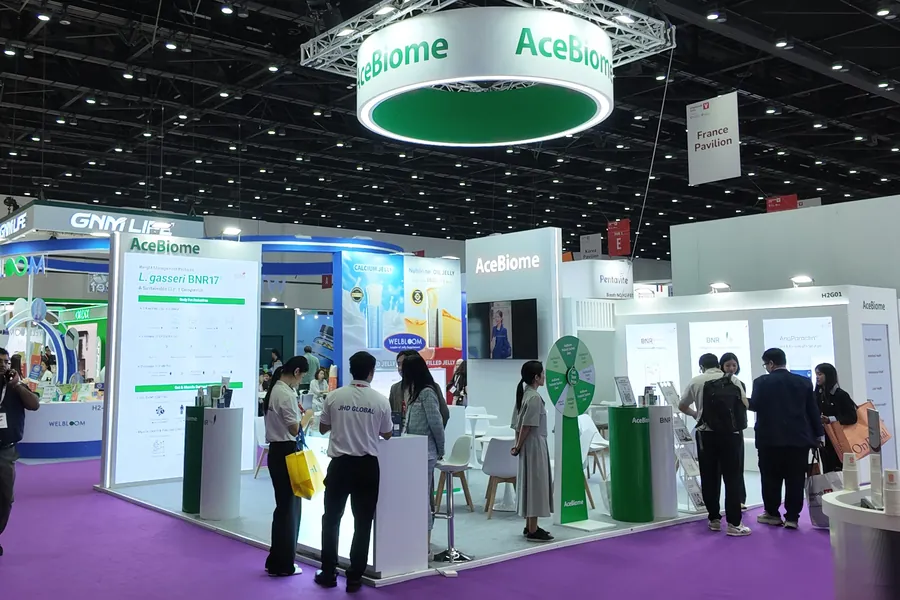 AceBiome’s Kim said she sees the gut-muscle axis as one of the most promising areas for the next stage of research for the company’s BNR17.She explained that this creates a natural foundation for introducing a more integrated, science-backed approach, such as AceBiome’s body-fat-reduction probiotic strain, Lactobacillus gasseri BNR17.
The company positions its BNR17 products as a GLP-1 companion probiotic concept. “It’s about how probiotics can complement these medications, addressing broader health needs, and supporting the big changes happening in this category,” added Kim.
Marcia da Silva Pinto, Ph.D., category manager at Lallemand Bio-Ingredients, added that metabolic health was a standout trend at the show. She highlighted the company’s ingredient in this space, Re-Vaya, which was launched earlier this year.
She said this ingredient focuses on metabolic balance, rather than only on weight management. “We have a clinical study to support the results. It’s a combination of ingredients that work in synergy, and we had Re-Vaya gummies at the tasting bar.”
“People got interested in Re-Vaya because we talk about inflammation and a balance of energy levels and vitality,” she suggested.
Probiotic targets gut-muscle axis
AceBiome’s Kim said she sees the gut-muscle axis as one of the most promising areas for the next stage of research for the company’s BNR17.
“Gut health always remains fundamental to BNR17 as a probiotic, but we are seeing connections in our research between the microbiome, muscle health, body composition, and healthy aging. Rather than looking at these areas independently, the next opportunity is to understand how they interact.”
She noted that these findings are particularly meaningful as populations age, because weight loss is not just about dropping kilograms — it’s about retaining muscle and physical function while losing fat.
Kim highlighted new findings suggesting that BNR17 supports muscle health and physical function in older adults, aligning with earlier preclinical findings.
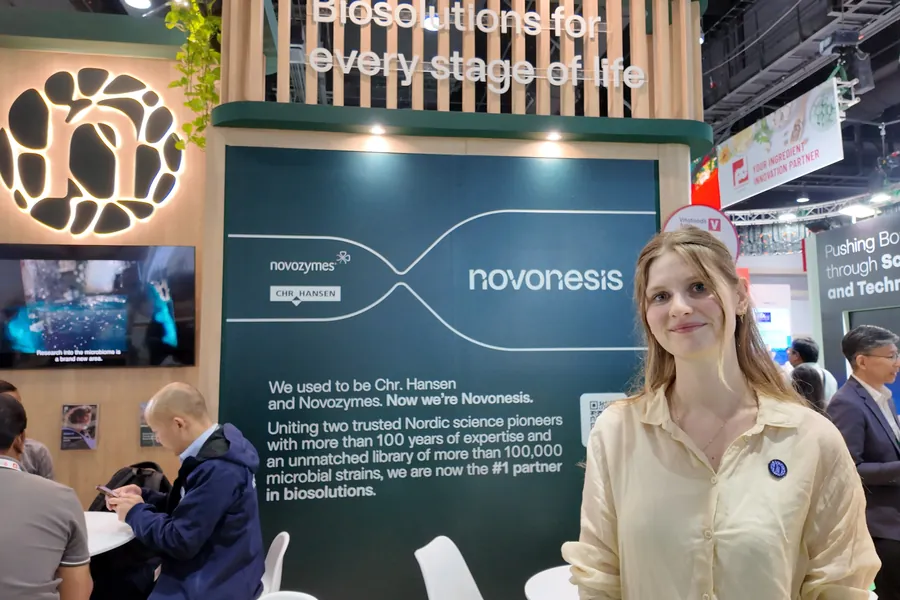 Stokkebye pointed to South Korea as a mecca when it comes to innovation within the dietary supplement space.“After eight weeks of BNR17 supplementation, participants showed a significant improvement in the Short Physical Performance Battery, which measures mobility and lower body function. We also observed increases in lean body mass and leg muscle mass, while body weight, body fat, body mass index, and visceral fat all went down.”
Because this was a small pilot study with 46 adults, she said larger randomized clinical trials are needed to confirm the results.
“Going forward, we aim to investigate these connections more systematically through our studies,” added Kim. “I believe this could open an important new chapter for BNR17 and help expand its role from weight management toward a broader microbiome-based approach to healthy aging.”
Fun and innovative formats
A range of delivery formats was another standout trend at Vitafoods Asia 2026.
“Asia is known for different innovative formats,” said Siddhu. “I have tried fizzing chewables that I’ve never tried before. I have tried different types of gummies, harder or softer, with gels inside or liquids, and with different flavors.”
“I think we will continue to see those types of different innovative formats across Asia.”
Lallemand Bio-Ingredients’ Da Silva Pinto called Vitafoods Asia 2026 a “paradise” for different formats and applications. “Capsules and tablets are a thing of the past.”
“Every year it’s something new. Now, there is a pouch with a hard jelly that you have to chew.”
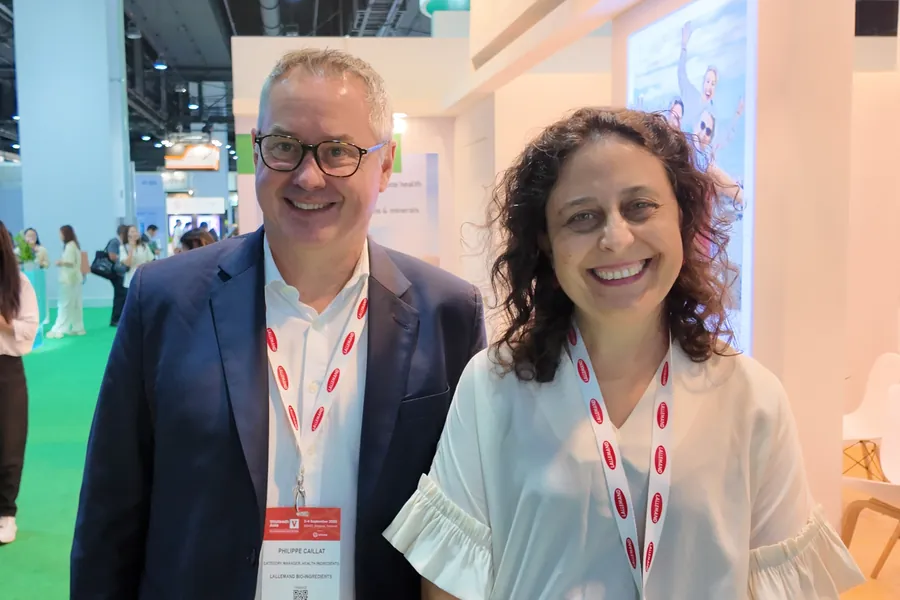 Lallemand Bio-Ingredients’ Caillat and Da Silva Pinto highlighted new delivery formats as a way to target new consumer groups.Caillat added that innovative and fun formats also help attract a different type of people, such as younger generations.
Thota from OmniActive Health Technologies also spotted innovations in functional foods and beverages, making these on-the-go foods more functional.
“I think that area is becoming hotter and hotter. Gone are the days when people say, ‘I just want to have a soda’ — if they can get something out of these drinks, such as a probiotic or prebiotic soda, I think that’s where it’s going.”
Driving innovation
Novonesis’ Stokkebye pointed to South Korea as a key market driving innovation in supplements in Asia.
“South Korea is a mecca when it comes to innovation within the dietary supplement space. Of course, you have the fermentation culture. But it’s also very visible here at Vitafoods Asia., Tthere are a lot of Korean players, and we already know of the K-beauty space and how that has shaped the cosmetics industry.”
“We’re now starting to see that the K-health space is starting to shape the industry around dietary supplements.”
Thota told us that OmniActive Health Technologies defines focus countries based on consumer trends and market developments. “A great example: India ten years ago was ‘a low-value market.’ It’s no longer that; it’s just exploding. It’s a very different country.”
He added that China is already a big platform, and that there is a growing awareness of nutraceuticals in Southeast Asian countries, such as Thailand, Indonesia, Vietnam, and the Philippines. “We see Southeast Asia as the next frontier after India and China.”
“At the same time, the consumers in these countries are also very interested in experience. You can’t just sell them capsules — you have to make sure your ingredient experience or product experience is good.”
Protein plus
Yen Won Tang, senior business development manager for APAC at Valio, noted that the protein trend is strengthening in Asia. “It’s gone from a niche market for the muscle meatheads, who were able to accept not very good taste and sensory profiles for the benefit of building muscle, to the mass consumer.”
 Tapping into the longevity trend, Qingdao Sunrise Health featured an anti-aging drink at Vitafoods Asia 2026.Due to this growing consumer group, she stressed that there can be no compromise on sensory profiles. Moreover, she said mainstream consumers increasingly understand the importance of protein as building blocks and for healthy aging.
“We want to make sure we’re living well for longer,” she added. “Everyone now, post-COVID, has been very into their own health and finding out how to have these building blocks and what they are consuming to have that health span.”
Meri Härmälä, global B2B marketing manager at Valio, said the team was surprised that the protein trend “shows no signs of stopping.”
“At the same time, the understanding of the quality of proteins here gets better as well. As in Europe, it’s not just anymore that you just want protein, whatever type. People start to understand the nutritional elements and ask, what kind of protein is good for you?”
At Vitafoods Asia 2026, Valio highlighted a recovery drink concept at the New Product Zone with a 1:1 ratio of protein and carbohydrates.
Härmälä told us recovery is increasingly important for mainstream consumers as well to cope with hectic lifestyles.
“Protein itself is not enough, because you need to keep your energy levels up,” she added. “People have been heavily doing weight management and avoiding carbs, but you need carbs to survive, maintain your energy levels, and recover from the energy loss that you get working, traveling, and exercising.”