




UK moves closer to authorizing first CBD novel foods, including supplements


Key takeaways
- The UK FSA is recommending ministerial approval of three high-purity CBD novel foods (RP 7, RP 350, and RP 427) at up to 10 mg/day.
- Labels would carry a 10 mg adult daily limit and warnings for under-18s, pregnancy or breastfeeding, and people on medication or immunosuppressed.
- EFSA has not authorized any CBD novel food and set a much lower provisional safe intake (~2 mg/day), creating a UK–EU divergence in CBD policy.

A UK Food Standards Agency (FSA) paper has recommended authorizing three cannabidiol (CBD) novel food applications. Backed by the agency’s previous positive safety assessment and public consultation, the regulatory greenlight would advance CBD foods across Great Britain if ministers agree to the proposals.
The first three CBD novel food applications are RP 7 synthetic CBD, RP 350 CBD isolate, and RP 427 CBD isolate — ≥98% pure CBD — designed for adults with a maximum dose of 10 mg/day. The FSA shares that there are 3,000 individual CBD products linked to these three applications, indicating that its recommendations will help move the CBD market into regulatory compliance and support consumer confidence.
The public consultation revealed strong support for risk management proposals, such as clear labeling and protections for vulnerable groups. The FSA says it will assist in guiding enforcement authorities and continue to evaluate other CBD applications.
It also points out that FSA’s safety standards vary from those of the European Food Safety Authority (EFSA), which has not published positive safety assessments for CBD novel foods. EFSA concluded that safety could not be set for pregnant women, breastfeeding mothers, people taking medications, or anyone under 25 due to potential developmental and liver risks.
Ultimately, UK ministers will make the final decision on their applications based on the FSA’s safety and risk management advice.
Seeking board approval
The FSA is seeking board confirmation for its risk management approach to make progress with the approval of CBD novel foods. The authority is urging the board to discuss, provide feedback, and agree on the presentations to the ministers.
The public consultation — involving consumers, applicants, trade associations, industry, and local authorities — resulted in 46 responses, which overall support the risk management proposals.
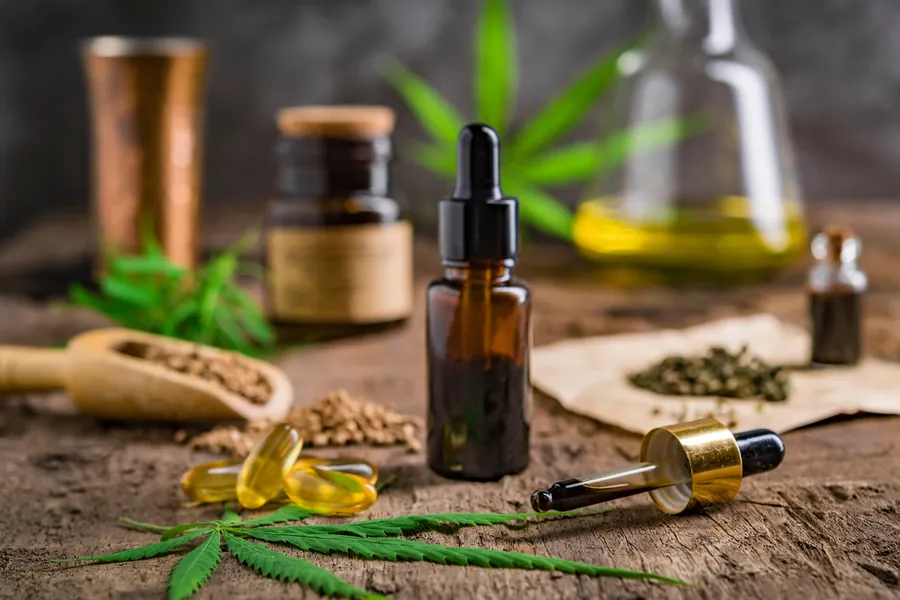 The FSA is seeking board confirmation for its risk management approach to make progress with the approval of CBD novel foods.The proposals call for product labels outlining the provisional acceptable daily intake, warnings for under-18s, people who are pregnant, breastfeeding, or trying to conceive, and those taking medication or who are immunosuppressed.
“We proposed that authorization should only be granted with strict specifications, including low limits for delta-9-tetrahydrocannabinol (Δ9‑THC) and other controlled cannabinoids,” details the FSA.
Ongoing process
The FSA says that it will continue backing the recommendation to authorize novel foods containing CBD for use in supplements. For RP 350, additional uses expand to beverages and confectionery.
The UK will continue to uphold a ban on health claims for CBD, under which only authorized claims from the Great Britain Nutrition and Health Claims Register are allowed to be used by brands, stresses the FSA.
The agency says that it will advise on a consistent regulatory approach in England, Wales, and Scotland while continuing to engage with stakeholders as negotiations for a UK–EU SPS Agreement progress.
Meanwhile, CBD continues to gain ground in research and applications in health products.
For instance, a study found that CBD and THC in a 1:1 ratio are significantly more effective at inhibiting ovarian cancer cell growth than using either compound alone.
Long-term CBD supplementation in dogs was associated with reduced aggression levels in another study, although it had no observed effect on anxiety or agitation.