


Humann partners with UC Davis on precision nutrition for heart health and longevity

Key takeaways
- Humann has partnered with UC Davis to study how precision nutrition improves cardiovascular health, physical performance, and longevity.
- The findings from planned clinical trials across different life stages will be used to guide future innovations in dietary supplements and functional foods.
- Former Mars chief science officer Dr. Harold Schmitz was appointed to chair Humann’s science advisory board and direct the research initiatives.
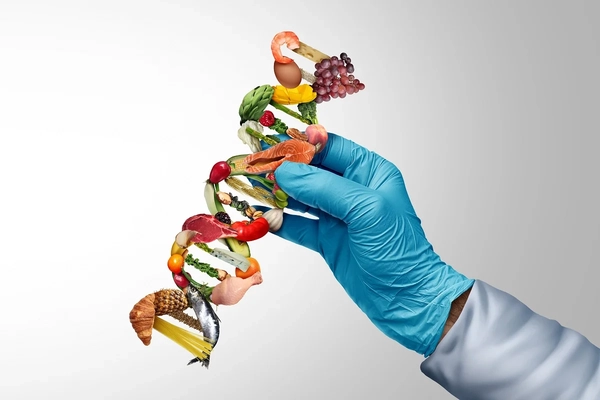
Supplement company Humann has launched an academic research partnership with the University of California (UC), Davis, US. Collaborating with the school’s Innovation Institute for Food and Health (IIFH), the project will explore how precision nutrition can improve cardiovascular health, performance, and longevity.
New scientific data collected through the joint research program will inform future innovation in food and supplement products.
“Humann started with the belief that nutrition can play a meaningful role in supporting cardiovascular health, but we’ve always known there is much more to discover,” says Joel Kocher, CEO and co-founder of Humann.
“Scientific partnerships have always been central to how we build this company, and our collaboration with IIFH gives us the opportunity to deepen our understanding of how nutrition can support cardiovascular health.”

How nutrition supports the heart
Humann was founded through academic and scientific research at the University of Texas, US. Its flagship product line is SuperBeets, which includes various beet-based supplements for heart health, formulated to support healthy blood flow to help deliver oxygen and nutrients throughout the body.
The majority of SuperBeets products are infused with a clinically researched grape seed extract, which supports nearly two times more effective blood pressure than diet and exercise alone.
 The new academic partnership aims to understand the different ways that cardiovascular nutrition optimizes health and longevity.Aligning with the brand’s field of expertise, the new academic partnership aims to understand the different ways that cardiovascular nutrition optimizes health and longevity. Recent scientific investigations have built up a body of research exploring this link in more depth.
One study estimated the cardiovascular disease burden from ultra-processed food intake among Canadian adults to be between 23–38%, equivalent to 58,200 to 96,000 cases of cardiovascular diseases and 10,600 to 17,400 deaths related to the disease.
Another paper from South Korea found that certain whole food botanicals may support beneficial health outcomes. Scientists revealed that perilla oil — a common food supplement among Koreans — improved smokers’ inflammatory markers and blood clotting in a clinical trial, in addition to boosting circulating levels of beneficial omega-3 fatty acids.
Meanwhile, a study on pomegranates, walnuts, and berries discovered that one particular compound made in the body after eating these foods — known as urolithin A — may boost heart function by up to 80% in a type of heart failure that has limited treatment options.
Appointed leadership
The partnership has appointed Dr. Harold Schmitz as chair of the Human Science Advisory Board, who brings extensive experience in nitric oxide research and in driving science-based food and nutrition innovation spanning academia and industry.
He previously served as chief science officer at Mars and was a senior scholar at the UC Davis Graduate School of Management.
In his role as chair of the science advisory board at Humann, Schmitz will lead the partnership’s design of scientific research, including clinical trials involving women and men across multiple life stages.
“Cardiovascular health is a critical driver of longevity as well as optimal physical and mental performance throughout all stages of life,” Schmitz comments. “Nutrition can play a defining role in blood pressure, cholesterol levels, blood sugar, and other factors that work together to define cardiovascular health over time.”
“This collaboration will advance both science and public understanding regarding cardiovascular health and nutrition, and accelerate innovation that can improve cardiovascular health for consumers everywhere.”
Justin Siegel, incoming chair of the Science Advisory Board at Humann adds: “This collaboration creates an exciting opportunity to leverage cutting edge technologies to deepen our understanding of the connections between nutrition, cardiovascular health, and healthy aging.
“By combining complementary expertise, we can accelerate research that advances scientific knowledge and its translation into practical insights positively impacting consumer health.”