




Research links xylitol to higher heart risk, but EUFIC urges caution

Key takeaways
- An observational study links higher blood xylitol levels to increased cardiovascular risk, though EUFIC cautions that the results are unpublished and observational.
- Charité’s Marco Witkowski says the association is independent of BMI, hypertension, diabetes, and lipid levels.
- He advises those with cardiovascular risk factors to avoid heavily sweetened processed foods, while regulators still classify xylitol as safe.
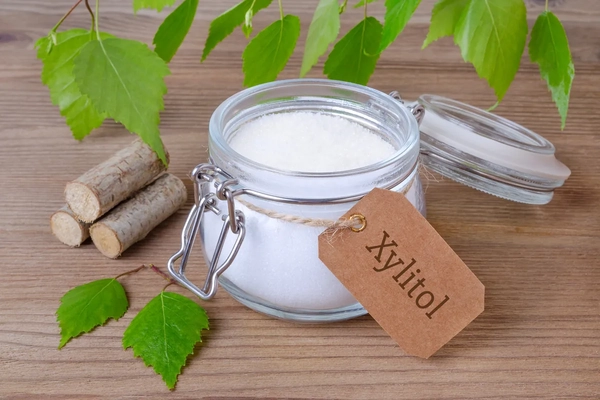
An observational study has indicated that higher circulating xylitol levels are linked to an increased risk of major adverse cardiovascular risks, such as heart attack, stroke, and death. In response to the study, the European Food Information Council (EUFIC) has issued a note, cautioning that the results of the study on the sweetener are observational, unpublished, and not absolute.
The 30-year analysis involved data from 17,710 participants, which found a dose-dependent relationship between xylitol and heart issues. The finding was presented at the European Society of Cardiology Congress 2026.
EUFIC points out that the results have not yet been published in a peer-reviewed journal and that the reported risk increases are relative, not absolute increases, so individual risk cannot be known.

Since the study was observational, causation is hard to infer. “In an observational setting, there is always the possibility of confounding. We have previously shown that xylitol dose-dependently heightens the clotting potential of platelets and also enhances clot formation in animal models,” paper co-author, Dr. Marco Witkowski from the Charité University Hospital in Germany, tells Nutrition Insight.
“This argues for a causal relationship between xylitol levels in the blood and adverse outcomes. In addition, factors that impact endogenous production of xylitol or comorbidities that come along with the consumption of artificially sweetened food may also impact the association with cardiovascular risk. In our statistical models, we tried to account for additional risk factors to reduce the possibility of residual confounding.”
Xylitol: Diet vs. endogenous production
Xylitol is a popular alternative to sugar, used to sweeten foods, beverages, and oral care, often at over 1,000-fold higher amounts, the researchers note. Xylitol is also naturally present in low amounts in foods.
 Xylitol is a popular alternative to sugar, used to sweeten foods, beverages, and oral care, often at over 1,000-fold higher amounts, says Witkowski.The team adds that despite its popular use, its long-term impact on cardiovascular event risk has not been widely studied.
Explaining how blood xylitol levels measured came from diet versus internal glucose metabolism, Witkowski says: “In samples from overnight fasting individuals, the xylitol levels likely represent endogenous production because the kidneys readily excrete dietary xylitol.”
“Our clinical data show that the variation in the endogenous production is linked with heightened cardiovascular event risk. We have also shown that the low endogenous levels are sufficient to enhance platelet function in mechanistic studies.”
He adds that dietary xylitol greatly increased xylitol blood concentration for certain periods of time, during which these levels can further prompt platelets to clump together. Witkowski’s previous study showed that xylitol may enhance the ability of platelets to form clots.
“It is very difficult to dissect the risk between endogenous and dietary xylitol. Think about it like cholesterol, which is a well-known driver of cardiovascular disease. A part of the LDL-cholesterol comes from our own endogenous production, and another part from dietary intake,” explains Witkowski.
“Irrespective of its origin, cholesterol damages the vasculature and causes atherosclerosis. To improve cardiovascular risk, therapeutic strategies target both LDL synthesis (such as via statins) and dietary intake to lower LDL concentrations in the blood and improve outcomes. We also believe that xylitol from both sources impacts cardiovascular event risk.”
Cohort risks and differences
The data used in the new study came from two prospective observational cohorts: the Canadian Longitudinal Study on Aging (CLSA) and the European Prospective Investigation into Cancer (EPIC)-Norfolk.
 Dr. Marco Witkowski from the Charité University Hospital.The researchers found that those with the highest xylitol levels had a substantially higher risk of major adverse cardiovascular events than those with lower xylitol levels.
Over a follow-up period of six years, the researchers found the risk of adverse cardiovascular events was 57% higher in those with the highest levels vs. the lowest levels in the CLSA cohort.
In the EPIC-Norfolk cohort, the risk of major adverse cardiovascular events was 18% higher in those with the highest levels versus the lowest levels after a follow-up period of 30 years.
However, the two cohorts gave vastly different effect sizes. Witkowski explains: “Since we used distinct cohorts from two different continents (North America and Europe) in the general population, variation and a different exposome (such as lifestyle factors) may account for the difference in effect size.”
“I think that both cohorts include real-world data and represent how xylitol in the blood is linked with cardiovascular event risk in community-dwelling people.”
He adds that the xylitol-cardiovascular risk association was independent of underlying factors such as body mass index, hypertension, diabetes, and lipid levels.
Also commenting on the result gap, EUFIC notes that the figures point to a difference in risk between the two groups but do not reveal how much an individual’s absolute risk increased, meaning the difference in real-world terms cannot be known.
Study implications of sugar alternatives
Xylitol is found in various products, from sugar-free gum and oral care to diabetic and keto foods.
 UFIC points out that study results have not yet been published in a peer-reviewed journal and that the reported risk increases are relative, not absolute increases.Witkowski recommends that people — particularly those with additional cardiovascular risk factors — avoid artificially sweetened processed foods that contain large amounts of sugar alcohol sweeteners, such as xylitol or erythritol.
“We have previously shown that consumption of xylitol directly leads to increased platelet function in healthy volunteers. To precisely define thresholds, we would need to perform intervention studies that test different amounts.”
“This has not been done so far. But based on the fact that xylitol’s impact on platelets in our experiments was dose-dependent, I suggest that larger amounts, mostly from processed products that contain a lot of sweeteners, should be avoided,” he explains.
Noting the 2024 study finding a link between higher circulating xylitol levels and cardiovascular events in people undergoing cardiac evaluation, EUFIC stresses that the new study still does not answer whether eating xylitol increases cardiovascular risk. They stress that the researchers did not examine how much xylitol people ate through their diet and only looked at blood concentrations.
However, regulators currently classify xylitol as safe. To this, Witkowski calls for safety testing of sugar substitutes that are advertised for and consumed by individuals with cardiometabolic disease.
“Ideally, large randomized clinical trials would be needed to test the impact of different sweeteners on longitudinal health outcomes, such as heart attack or stroke. However, this requires large studies and a follow-up for many years to allow for the events to occur.”
“Based on the present data that show pro-thrombotic effects of xylitol, one wonders if such a trial would be ethical. Therefore, regulators need to aggregate the current evidence and make informed recommendations for the safe use of sugar substitutes in different populations,” he concludes.