




Cannabis-based treatment with CBD and THC blend may fight ovarian cancer

Key takeaways
- Researchers found that combining CBD and THC in a 1:1 ratio is significantly more effective at inhibiting ovarian cancer cell growth than using either compound alone.
- The treatment appears to block cancer cell migration and restore normal cell signaling, potentially preventing the disease from spreading to other parts of the body.
- The combination therapy showed minimal impact on healthy cells, suggesting it could eventually offer a less toxic alternative to traditional treatments with fewer side effects.
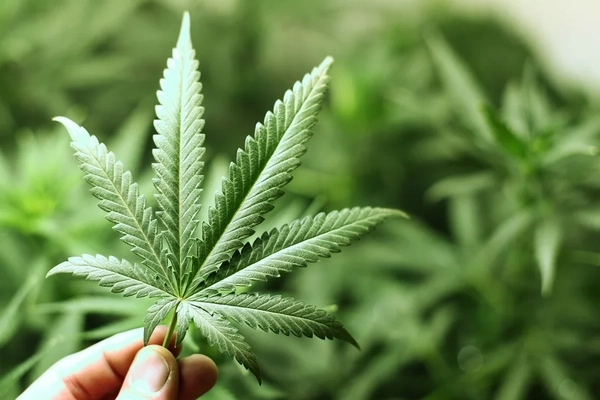
New research points to the potential of future cannabis-based therapeutics to fight ovarian cancer. Scientists studying the effects of two chemical marijuana compounds — (non-psychoactive) cannabidiol (CBD) and tetrahydrocannabinol (THC) — on cancerous cells discovered that the combination offers promising protective benefits for the condition’s spread.
Among all the gynecological cancers, ovarian cancer kills the most patients, highlight the study authors. It is challenging to diagnose and even harder to treat. While some advances in treatment strategies have been made, available drugs are not always effective and can present formidable side effects. “New options are desperately needed,” stress the researchers.
“Ovarian cancer remains one of the deadliest gynecological malignancies, characterized by late diagnosis, high recurrence rates, and limited effective treatment options,” says study lead author Dr. Siyao Tong of Khon Kaen University, Thailand.

“Our goal is to find alternative drugs that can improve efficacy and potentially reduce toxicity, ultimately bringing new hope to patients facing this challenging disease.”
CBD and THC synergies
Previous research showcasing CBD and THC’s potential against other cancers inspired the research team to investigate their effects on ovarian cancer cells.
The study published in Frontiers in Pharmacology involved two different lines of ovarian cancer cells: one sensitive to platinum-derived drugs and the other resistant. These were introduced to either CBD, THC, or a combination of both.
The scientists observed the cells to see if they could survive and reproduce after exposure to these compounds. They did the same on a line of healthy cells.
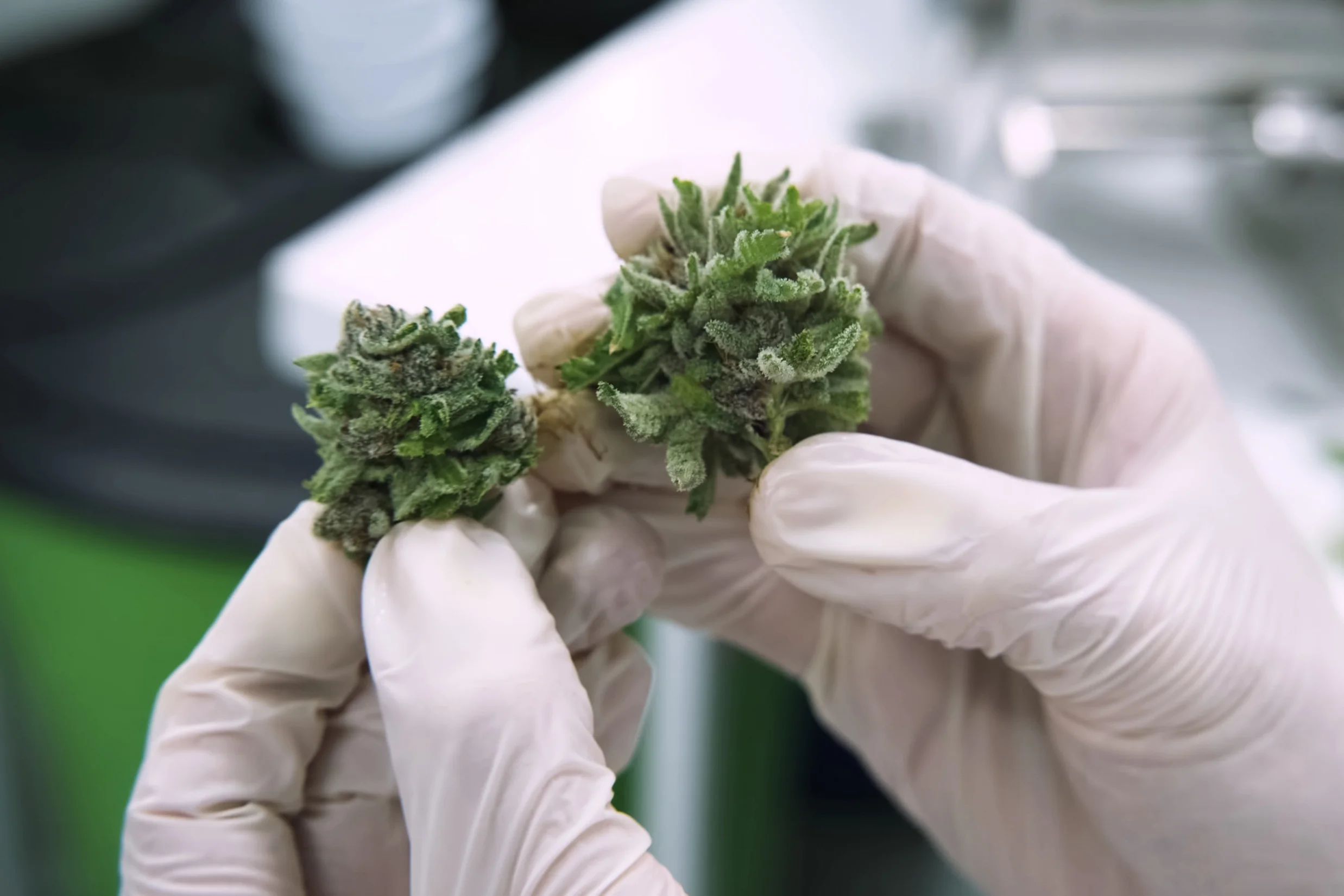 The compounds prevented cancer cells from migrating, indicating their ability to inhibit their spread.
Cells for both cancer lines that had been treated with CBD or THC formed “fewer and smaller” colonies of cells. While both cannabis compounds worked to prevent cancer cells from reproducing, combining them led to “particularly good results,” report the researchers.
Neither compound singularly killed a large proportion of cancer cells, but together, they were “very successful.”
“Notably, the inhibitory effect was most pronounced when CBD and THC were used in a 1:1 ratio,” says Tong.
To understand the mechanism behind these anti-cancer effects, the scientists looked at cell signaling pathways.
The PI3K/AKT/mTOR pathway is overactivated in ovarian cancer cells, which contributes to tumor development and treatment resistance. The CBD and THC compounds appeared to restore the pathway’s normal regulation, which might explain why the cancer cells did not reproduce and began to die off after treatment.
Preventing cancer migration
Follow-up assessments revealed that the compounds prevented cells from migrating, indicating their ability to inhibit the spread of ovarian cancer to other parts of the body.
“Many patients die of metastases, so a treatment that prevents metastasis could save lives,” highlight the researchers.
Both cell lines were “similarly affected,” suggesting that the compounds could work equally well for various types of ovarian cancer.
Importantly, the compounds and their combination also had minimal effects on healthy cells, which the researchers suggest could lead to treatments that are less toxic and easier to tolerate than current drugs.
Future applicability
Further research will be necessary to ultimately develop drugs that can be administered clinically. “Although our study is still preliminary, it lays an important foundation for future research into the potential applications of CBD and THC in ovarian cancer treatment,” says Tong.
“By confirming their anti-cancer activity and identifying key molecular mechanisms, our findings are expected to drive further preclinical research. If future studies confirm these effects, CBD-THC combination therapy may ultimately contribute to the development of new treatment strategies.”
Tong also highlights limitations of the study. As all experiments were conducted in vitro, the results may not fully reflect the complexity of tumor behavior in living organisms.
“We did not include in vivo models and pharmacokinetic data, which are crucial for determining whether CBD/THC can be safely and effectively used clinically,” he adds.
“Finally, regulatory and legal issues surrounding cannabinoid therapy may also affect future translational research. While the results are encouraging, more studies are needed before these findings can be applied to patient treatment.”
THC and CBD have been previously researched for their potential to reduce the feelings of agitation, distress, and anxiety in patients with Alzheimer’s disease and other forms of dementia.