



Tetra Pak sees fiber, biotics & omega-3s rising as consumers look beyond protein

Key takeaways
- Tetra Pak observes demand moving beyond protein as consumers increasingly prioritize ingredients, such as fiber, biotics, and omega-3s.
- The company sees regional demand differences shaping innovation, with stronger interest in biotics in China and European consumers preferring light textures.
- Tetra Pak’s Anna Larsson spots market opportunities for brands in convenient formats such as RTDs, noting that clear and credible communication on packaging is key to building consumer trust.

Consumer demand is moving beyond protein as individuals are seeking broader, targeted health benefits from functional ingredients, such as fiber, biotics, and omega-3 fatty acids.
Nutrition Insight speaks with Anna Larsson, category leader at Tetra Pak, to unpack how evolving consumer priorities, regional differences, convenient delivery formats, and popular ingredients are shaping the next generation of functional nutrition.
“Whether it’s supporting the immune system or maintaining a healthy weight, consumer priorities in health and wellness are driving increasingly complex purchasing decisions that lean toward products with very specific purposes,” she tells us.
“Functional drinks come into this equation because they can zero in on providing nutrients, offering a boost of energy, or helping with specific health and wellness goals. By using different ingredients and combinations, consumers can fine-tune their purchases toward products that target their individual needs.”

Larsson says that in-demand ingredients in this category include fiber, omega-3s, and biotics. “We know that fiber is the next most popular functional ingredient after protein — its widely acknowledged digestive benefits reflect gut health’s status as a growing consumer priority.”
She refers to findings of Tetra Pak’s Food Supplements and Nutrition (FSN) Global Consumer Research from 2025, which surveyed 25,547 health-conscious consumers, including parents, adults (16–64 years old), and seniors (65 and above), across 17 countries.
“Our research also shows that a third of consumers seek omega-3 fatty acids, an ingredient widely recognized for its role in heart, brain, and eye health. There is also increasing interest in biotics, a group that includes probiotics, prebiotics, and postbiotics, which are increasingly associated with digestive health and are being explored for broader well-being benefits.”
Next wave of nutrition products
Tetra Pak sees a growth opportunity for producers willing to innovate and make the most of elements such as fiber, novel flavors, and ready-to-drink formats, says Larsson.
 Larsson says fiber, biotics, and omega-3 fatty acids will drive the next wave of functional nutrition.“From ingredients to flavor, there are countless ways to innovate and unlock new markets. Winning products offer health-led ingredients with scientifically supported benefits in convenient, consumer-friendly formats.”
She also highlights popular functional ingredients identified in the company’s FSN survey, noting that fiber is close behind protein. “With only 35% actively using fiber, there is clearly headroom for the next wave of fiber-focused products.”
“Looking ahead, we’re seeing emerging ingredients and flavors such as growing interest in collagen in Brazil or botanical extracts in India,” she adds. “With 71% of consumers preferring gradual results from natural ingredients over faster results from synthetic alternatives, and an equal proportion willing to pay a premium for those natural benefits, we’re seeing movement toward premium products that support long-term well-being.”
According to Larsson, these findings point to the importance of developing products with clear functional benefits that also provide strong emotional reassurance through positioning, claims, and packaging. “Protein is only the beginning of the opportunity.”
She predicts: “Winning products will combine scientifically supported benefits with convenient, consumer-friendly formats. An understanding of what consumers want and a willingness to innovate will be the foundation for success, along with precise formulation and differentiated products that reach a range of audiences in a range of markets.”
Regional demand splits
Tetra Pak’s research also reveals “fascinating” regional variations, says Larsson.
“For example, among people considering functional products, those in Brazil have the greatest interest in fiber at 49%. People in Germany are most interested in omega-3 fatty acids, while China leads in biotics at 46%.”
Recently, PharmaLinea told us that China is becoming one of the most influential innovation markets in the global nutraceutical industry, where 80% of consumers purchase supplements at least once a month.
 Brands should tailor functional benefits and sensory experiences to local priorities, aligning with needs, tastes, and habits, says Larsson.Additionally, exhibitors at Vitafoods Asia 2026 noted that Asian markets have a much stronger microbiome literacy than in Europe or the US.
“At the same time, we also see regional variations in preferred tastes and flavors,” Larsson adds. “Consumers in Asia often prefer a thicker, smoother, and creamier mouthfeel, whereas European consumers generally prefer more natural, less processed textures. In the US, sweeter and indulgent textures are more popular.”
She underscores that understanding these differences, and applying them in a targeted way, is key to getting products right for each market.
“Rather than a one-size-fits-all approach, brands should tailor functional benefits and sensory experiences to local priorities, aligning with needs, tastes, and habits that vary by region,” says Larsson.
Amid a quickly evolving wellness landscape, she says the move beyond protein toward broader functional benefits highlights how consumer priorities are shifting, making regional nuance “more important than ever.”
Clear and credible communication
Larsson also details how brands can communicate health benefits clearly and credibly to help consumers make more informed choices.
“Trust is important when promising health benefits,” she underscores. “Producers can highlight ingredient transparency and, where applicable, claims such as no added sugar or absence of artificial additives. This is useful for producers looking to tap into wellness movements such as the ‘clean label’ trend.”
She says that food and beverage cartons are ideal for connecting with consumers with clear messaging because of their flat, rectangular printable surfaces, which stand out on both shop shelves and virtual shelves in growing e-commerce channels.
Meanwhile, Larsson notes that the factors influencing purchasing decisions vary by demographic. “Younger adults tend to prioritize enjoyment, seeking out products and flavors they like, whereas older consumers are more motivated by health-related benefits.”
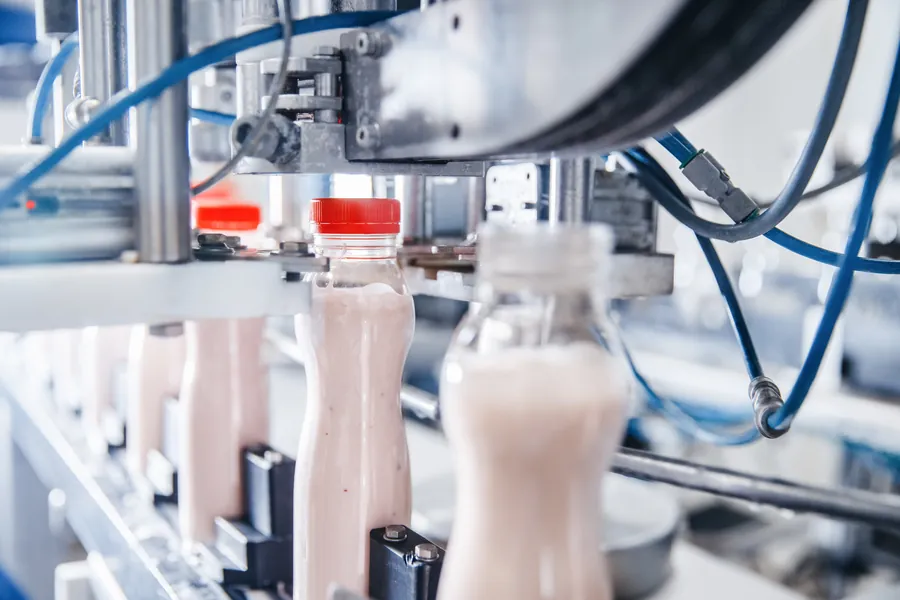 Convenient formats and credible claims help build brand loyalty and repeat purchases.“For manufacturers, this means tailoring products to different priorities — placing greater emphasis on the benefits that matter most to each group. Across all audiences, packaging plays a key role in building that connection, acting as a clear and credible way to communicate product benefits through transparent, authentic, and informative messaging.”
Everyday wellness routines
According to Larsson, packaging format is a key consideration for health-focused consumers, who want products that fit seamlessly into everyday routines to help transform their lifestyles.
“People consume products in different ways: they tend to consume lifestyle nutrition products at home, for example, in the morning, while those opting for sports nutrition want portable, on-the-go products they can consume out of the home, often at the gym.”
She says that convenience has become a decisive factor in purchasing decisions, particularly for people with increasingly active and fast-paced routines. “That’s why consumers look to formats such as ready-to-drink (RTD) to supplement their nutritional needs.”
Additionally, she says that the advantage of RTD is that every product is pre-dosed, so they’re easy to consume on-the-go. Unlike protein powder, they require no preparation or cleanup.
“The more easily a product fits into someone’s life, the greater its potential for repeat purchase and long-term brand loyalty,” Larsson concludes.