



Probi’s LP299V probiotic supports iron bioavailability via gut microbiome, review finds

Key takeaways
- A review highlights that Probi’s probiotic strain LP299V increases fractional non-heme iron absorption by 20–50% by enhancing solubility and reducing dietary inhibitors.
- Clinical studies show LP299V boosts iron levels in pregnant women and athletes while significantly reducing gastrointestinal side effects.
- Research suggests that LP299V functions as a bioavailability enhancer to complement, rather than replace, existing dietary iron and iron supplements.
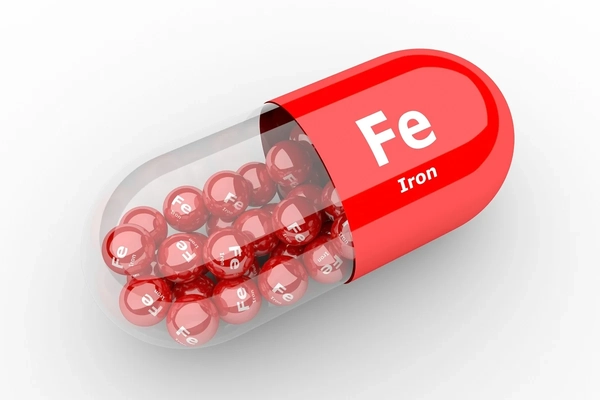
A new review spotlights the effects of Probi’s probiotic strain L. plantarum 299v (LP299V) for iron absorption and iron status. It explores how LP299V may support iron bioavailability through different complementary mechanisms, from boosting iron solubility and uptake to potentially influencing factors involved in iron metabolism.
The review authors at Probi, a Symrise company, consolidated findings from 10 peer-reviewed studies, including research in populations with increased iron requirements. They emphasize the potential of targeted, strain-specific probiotics to promote nutrient metabolism and bioavailability beyond regular gut health functionalities.
“Iron status depends not only on how much iron is consumed, but also on how effectively it is absorbed,” says Brandy Webb, scientific affairs manager at Probi.

“The research reviewed provides insights into how LP299V may support this process through several complementary mechanisms. Importantly, the evidence positions LP299V as a bioavailability enhancer that can complement dietary iron and iron supplementation rather than replace them.”
Biomechanisms of iron absorption
The review published in Frontiers in Nutrition references studies showing relative increases in fractional non-heme iron absorption of approximately 20–50% across different dietary contexts.
It also includes randomized controlled trials investigating the impact of LP299V on iron status in populations including women of reproductive age, pregnant women, and female athletes with low iron stores.
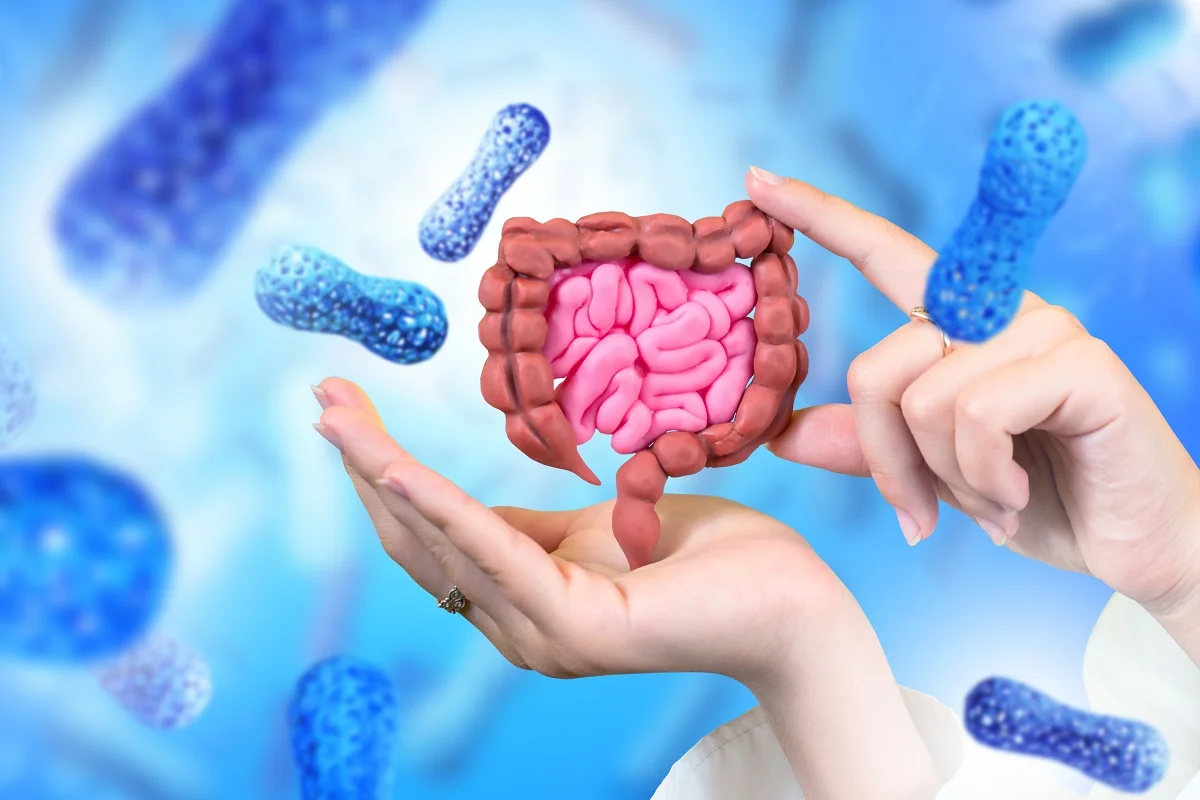 The review summarizes evidence that LP299V may inhibit dietary compounds that block iron absorption in the gut, such as phytates.The review explores several potential mechanisms through which LP299V may influence non-heme iron bioavailability. These include how the bacteria produce organic acids that may lower intestinal pH and support iron solubility.
According to the findings, LP299V may also mitigate dietary inhibitors that block absorption — such as phytates found in seeds, grains, nuts, and legumes — while increasing expression of the gene for DCYTB, which is an enzyme that converts ferric iron into the bioavailable ferrous form.
However, the review notes that the evidence for effects on DMT1, the primary transporter protein that moves iron into cells, remains inconclusive.
The paper also examines the relationship between LP299V and intestinal barrier function, short-chain fatty acid production, and inflammation. According to Probi, these factors may contribute to the strain’s effects on iron uptake and its demonstrated ability to reduce gastrointestinal side effects commonly associated with iron supplements.
Women’s health considerations
The review references a randomized, double-blind, placebo-controlled study of 326 pregnant women, in which a blend of LP299V, folic acid, vitamin C, and low-dose iron helped maintain iron status during pregnancy.
Women who were 35 weeks pregnant and supplementing with LP299V had higher serum ferritin (16 vs 13.8 μg/L) and hemoglobin levels (122.5 vs 117.4 g/L) than the women in the control group, the study highlights. Iron deficiency was less common in the LP299V group (59% versus 78%), as was iron deficiency anemia (7.4% versus 21%).
Meanwhile, in a separate randomized controlled trial of 295 people with newly diagnosed iron deficiency anemia, adding LP299V to oral iron therapy improved their iron status and reduced gastrointestinal side effects. After three months, the LP299V group showed higher increases in ferritin and hemoglobin, with greater serum iron and transferrin saturation.
Gastrointestinal intolerance among participants taking the probiotic was significantly lower (13% versus 46.5%), as was their tendency to discontinue treatment within 30 days (3.6% versus 15.9%).
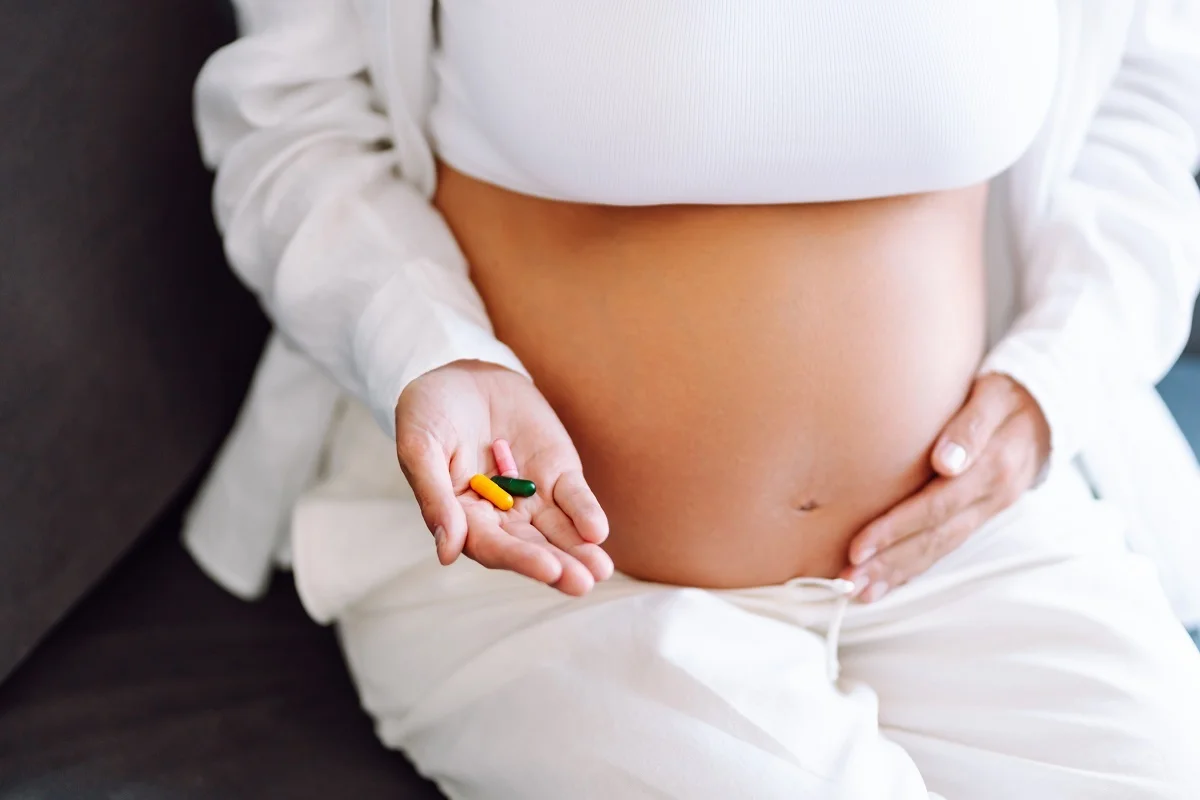 Women who were 35 weeks pregnant and supplementing with LP299V had higher serum ferritin and hemoglobin levels that women in the control group of the study.Research in female athletes with low iron stores has also explored the effects of taking LP299V alongside iron supplementation. In one 12-week randomized controlled study, the LP299V group showed a significantly more rapid boost in serum ferritin, as well as nearly double the increase in reticulocyte hemoglobin.
Moreover, the study recorded a significant improvement in vigor and increases in V02 max — the maximum amount of oxygen the body can use during exercise — in the LP299V group.
Boosting iron uptake through the gut
The review authors stress that LP299V should be viewed as a bioavailability enhancer instead of a source or replacement for dietary iron or iron supplements.
Their paper also underscores that responses to the probiotic can vary according to a person’s diet composition and characteristics of an iron supplementation protocol, emphasizing the need for further research.
Probi flags that iron deficiency remains the most prevalent micronutrient deficiency, which globally impacts an estimated two billion people. It adds that the health effects of prolonged iron deficiency include heart irregularities, weakened immunity, and cognitive impairment.
Recent research has found that iron deficiency early in life may restrict immune cells in the lungs from producing an essential protein that helps fight viral infections, even after iron levels are restored.
Probi also points to non-heme iron as the primary source of dietary iron consumed globally, which is poorly absorbed. “While iron replacement is standard of care, it is marked by low compliance due to unpleasant side effects like GI distress,” it notes.
Previously, Nutrition Insight spoke with two researchers from Karolinska Institutet in Sweden to explore their findings that gut bacteria can transform dietary nitrate and non-heme iron into protective molecules — dinitrosyl iron complexes — that may lower cardiovascular and metabolic disease risks.