



Early-life iron deficiency poses long-term impacts on immune cells

Key takeaways
- Iron deficiency early in life can permanently impair the ability of lung memory T cells to produce vital infection-fighting proteins, even after iron levels are restored.
- This defect means that the immunological “memory” formed during iron deficiency may not provide adequate protection against future viral infections.
- The study underscores the critical importance of ensuring children receive adequate dietary iron for proper immune system development.
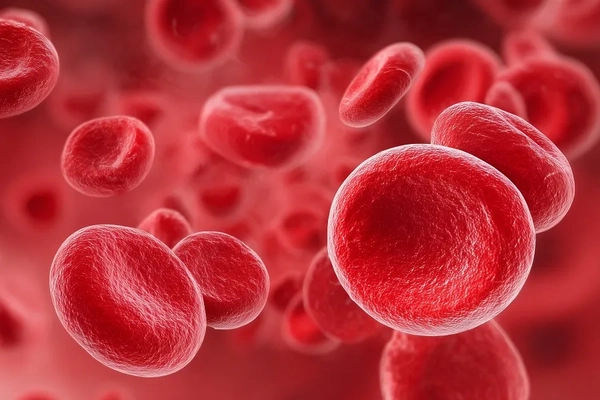
Iron deficiency early in life may restrict immune cells in the lungs from producing an essential protein that helps fight viral infections, even after iron levels are restored. New research has found that immunological “memory” formed when iron levels are low may not adequately protect the body against future exposures to the same viruses.
Researchers studying this phenomenon at Columbia University US, looked at memory T cells — immune cells that respond to previously encountered pathogens. They fed mice an iron-rich or iron-poor diet and then infected them with influenza.
The iron-deficient mice contracted more severe illnesses and had impaired T cell activation in their lungs compared with mice on an iron-rich diet.

“Iron deficiency, which disproportionately affects children, is one of the most common nutritional problems worldwide and has long been linked to increased risk of viral infection and more severe illness. Our study sheds new light on one of the reasons why,” says Thomas Connors, an assistant professor of pediatrics at university’s Vagelos College of Physicians and Surgeons.
“Our study underscores the importance of dietary iron for immune system development and future health. Making sure kids eat a well-balanced diet and get routine screening with their pediatrician is key.”
Impaired memory T cells
While iron-deficient mice were able to form normal-looking memory T cells in the lung, further testing revealed these memory cells were less capable of producing interferon gamma and tumor necrosis factor alpha — proteins that help immune cells recognize and fight infections.
“The defect persisted even after iron levels were restored, suggesting that iron deficiency not only makes it harder to shake an infection, but could also have a lasting impact on how the immune system responds to future viral threats,” highlight the researchers.
 Iron deficiency disproportionately affects children and has long been linked to increased risk of viral infection and more severe illness.The study was published in the Journal of Immunology. Connors’ team plans to investigate the immune systems of iron-deficient children to better understand how to boost the body’s immune response in childhood.
The researchers plan to also study the effects of iron deficiency on lung tissue to better understand why low iron levels are associated with chronic lung conditions like asthma.
Next-gen supplement interventions
Iron deficiency is linked to various health issues, such as restless leg syndrome, decreased physical capacity, impaired neurocognitive function, heart failure, all-cause mortality, and anemia.
While routine screening for anemia — a late consequence of iron deficiency — helps identify children most in need of treatment, the researchers urge that prevention remains essential. However, iron’s typical off-flavors and stomach irritation are typical pain points for consumers.
A recent survey among 8,021 US adults indicated the condition is prevalent, even among those without anemia, heart failure, chronic kidney disease, or current pregnancy.
Low iron levels are also reported among South Asian women. About 75% of non-pregnant South Asian women and girls lack iron, alongside other specific essential micronutrients.
Innovating around this, TopGum created smooth-textured, iron-rich gummies without a metallic aftertaste. Researchers in Cyprus have also presented lactoferrin — a globular glycoprotein found in milk and other mammalian secretions — has shown promising results as an effective iron treatment for patients with low hemoglobin concentration.
Earlier this year, the WHO updated its global blood health guidelines to recommend Sucrosomal Iron as the only oral iron supplement recognized for iron deficiency in cardiovascular disease and diabetes. Sucrosomial is a patented delivery system from PharmaNutra designed to protect micronutrient molecules like iron, increasing their absorption and improving gastrointestinal tolerability.
Also innovating to boost bioavailability, Lubrizol Life Science created Lipofer microcapsules with microencapsulated iron to enhance absorption and reduce gastric irritation.