




Lallemand Bio-Ingredients launches Lalmin Iron yeast to tackle digestive side effects

Key takeaways
- Lallemand Bio-Ingredients has launched Lalmin Iron, a nutritional yeast that “bioincorporates” iron into the yeast matrix for progressive release, unlike conventional iron salts.
- A pilot study of physically active women found no increase in gastrointestinal symptoms, addressing a key barrier to iron-supplement adherence.
- The launch targets iron deficiency, the most common micronutrient deficiency, which the company notes are especially prevalent among athletic women.

Lallemand Bio-Ingredients has launched a nutritional yeast, Lalmin Iron, designed to help formulators boost iron in supplements through an alternative approach.
Developed from fermentation, the ingredient’s iron is “bioincorporated” inside the yeast matrix and linked to its cellular structures.
When the consumer digests Lalmin Iron, the iron is progressively released from the yeast matrix. This process makes it different from conventional iron salts, according to Lallemand Bio-Ingredients.
Athletic women face deficiency risk
According to a study on Lalmin Iron, iron deficiency is a prevalent issue among athletic women. Compared to athletic men, women experience increased blood loss due to menstruation, with further iron loss through sweat and reduced absorption.

Also, conventional iron supplements are linked to poor absorption and negative gastrointestinal side effects, making them unappealing for regular intake, add the researchers.
Moreover, they point out that iron deficiency is the most prevalent micronutrient deficiency and causes over half of anemia instances, both worldwide.
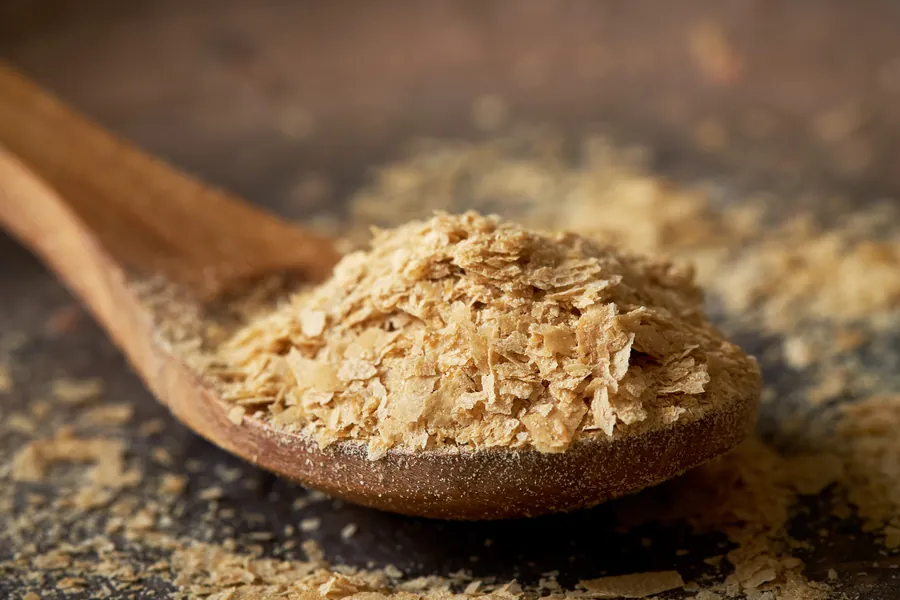 The iron in Lalmin Iron is “bioincorporated” inside the yeast matrix and linked to its cellular structures.Recently, American Society of Hematology raised its ferritin thresholds in iron supplementation guidance, warning that up to 70% of iron deficiency cases in high-risk populations are missed, impacting an estimated 10 million US adults and two billion people globally.
Good digestibility
Lalmin Iron is supported by a pilot study in Pilot and Feasibility Studies, which involved 14 physically active women aged 18 to 25.
For two weeks, the participants consumed two cookies every other day, which provided 40 mg of iron from Lalmin Iron in total. The researchers found that the participants adhered to the regimen well and had no increase in overall gastrointestinal symptom burden.
Participants also reported a reduction in constipation over the course of the study, plus a lower diarrhea score.
“Gastrointestinal tolerability can be an important factor in consumers’ ability to continue taking an iron supplement,” says Ipi-Liisa Peeker, category manager at Lallemand Bio-Ingredients.
“This provides an opportunity to develop iron products that better align with consumer expectations for effective, comfortable, and food-inspired nutritional solutions,” concludes Peeker.
Iron innovations
Offering an alternative to traditional pill delivery formats, Sirio Europe recently launched the complete FizzyBits portfolio, designed to boost iron and support metabolic health, joint care, and cognitive focus.
Botanic Healthcare recently shared clinical findings for its iron ingredient Ironnox — a liposomal ferric pyrophosphate — which showed no gastrointestinal-related adverse events from supplementation.
Other clinical research demonstrated that SloIron’s plant-based ferritin-bound iron efficiently delivers iron in healthy and iron-deficient women. In this form, the mineral is contained within a ferritin protein shell as a bionanomineral called ferrihydrite.
Furthermore, a review highlighted that Probi’s probiotic strain LP299V increases fractional non-heme iron absorption by 20–50% by enhancing solubility and reducing dietary inhibitors.