


Studies back SloIron plant-based ferritin-bound iron’s absorption and tolerability


Key takeaways
- In the first study of a two-part review, women with iron deficiency anemia absorbed more overall iron over a longer, more gradual time than healthy participants after a single 60 mg dose of SloIron.
- The first study also revealed that daily supplementation over 28 to 30 days led to significant improvements in serum iron, stored iron (ferritin), transferrin saturation, and hemoglobin.
- SloIron worked alongside the body’s natural iron control mechanisms such as hepcidin without causing dysregulated iron levels, serious side effects, or lab abnormalities.
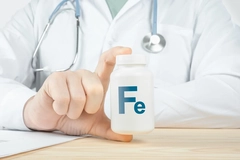
New clinical research demonstrates that SloIron’s plant-based ferritin-bound iron efficiently delivers iron in healthy and iron-deficient women. In this form, the mineral is contained within a ferritin protein shell as a bionanomineral called ferrihydrite.
The SloIron company suggests that the solution has similar absorption and bioavailability as traditional ferrous sulfate, without common side effects associated with it.
The ferritin protein “cage” serves as a natural enteric coating for the iron and is not broken down inside the stomach. Upon reaching the gut, the cage is absorbed as a whole, avoiding direct exposure of iron to the gut wall, which can cause irritation.
“Despite the growing need for iron supplementation, many consumers struggle with the absorption and gastrointestinal side effects associated with conventional iron, which can ultimately compromise compliance,” says Vincent Hackel, president and CEO of SloIron.
“This new pharmacokinetic research reinforces the potential of SloIron to deliver iron in a form that is both highly absorbable and gentle, addressing a critical need as the global iron supplement market is topping US$3 billion, growing at 5% annually.”
Hackel underscores an “even greater opportunity” to bring this technology to growing categories where nutrient absorption is increasingly important, including women’s health and the rapidly expanding population using GLP-1 medications.
Clinical backing
SloIron ferritin-iron was originally introduced to the North American market in 2020 and is marketed as having absorption equivalent to traditional sources, without the side effects.
The new research highlights the ingredient’s pharmacokinetic impact and its effect on biomarkers of iron metabolism in healthy and iron-deficient women. The review comprised two scientific papers, with the most recent one published in EC Nutrition and the second still under review.
In the first trial, which was a randomized, double-blind, parallel-group study, participants were given a single 60 mg elemental iron dose under fasting conditions followed by daily supplementation for 28 to 30 days.
.webp) Despite the growing need for iron supplementation, SloIron highlights that many consumers struggle with the gastrointestinal side effects associated with conventional iron.Researchers discovered that SloIron produced a slower but more sustained rise in serum iron and transferrin saturation over 24 hours, rather than the spike associated with traditional high-dose iron salts. They suggest that the body more consistently absorbs more of this type of iron when stores are low.
Despite the growing need for iron supplementation, SloIron highlights that many consumers struggle with the gastrointestinal side effects associated with conventional iron.Researchers discovered that SloIron produced a slower but more sustained rise in serum iron and transferrin saturation over 24 hours, rather than the spike associated with traditional high-dose iron salts. They suggest that the body more consistently absorbs more of this type of iron when stores are low.
Moreover, in women with iron deficiency anemia, 30 days of supplementation with SloIron was associated with improvements in key iron status biomarkers, including significant increases in serum iron, ferritin, transferrin saturation, and hemoglobin, pointing to early biological repletion.
Iron-regulated regulatory hormones such as hepcidin showed modest, variable responses with lower overall exposure in iron deficiency anemia participants. The researchers believe this indicates that ferritin-bound iron works together with the body’s iron control mechanisms without causing dysregulated iron homeostasis.
Healthy participants successfully maintained their iron biomarkers within normal physiological ranges. Additionally, SloIron proved to be well-tolerated, without serious adverse events or clinically relevant laboratory abnormalities reported.
Comparisons to ferrous bisglycinate
The second trial’s preliminary findings note that SloIron demonstrated a “more gradual” serum iron response than ferrous bisglycinate following a single dose, while producing “comparable improvements” in iron status biomarkers over 28 days in healthy women and those with iron deficiency anemia.
Findings suggest that serum ferritin increased substantially in both populations receiving SloIron, while researchers observed additional improvements in iron transport and utilization.
“I was impressed with the impact of SloIron on iron metabolism and biomarkers of iron health. The findings surprised me because of SloIron being a non-heme iron,” says co-author Douglas Kalman, Ph.D., R.D., at the Nova Southeastern University and Substantiation Sciences, US.
“The fact that SloIron moves the iron health needle within hours of ingestion and that the impacts demonstrate continual improvement and maintenance of biomarkers of iron health over time, makes this an exciting option for those who need or seek supplemental iron.”
Global deficiencies
Iron deficiency is the most common nutritional deficiency in the world, representing a critical public health threat across diverse global populations. SloIron highlights that its most severe form, iron deficiency anemia, impacts up to two billion people globally.
The company also flags iron insufficiency as a major concern, noting that while supplementation helps rebuild iron stores, it is still hindered by issues with absorption, stomach irritation, and the body’s natural limits on how much iron it will absorb at once.
Formulators are continually tackling these issues with innovations around delivery formats. For instance, Lubrizol’s proprietary iron ingredient, Lipofer, is a highly concentrated and micronized iron designed to be “significantly easier and more pleasant to digest” because of its microencapsulation technology.
Scientists have also discovered how to harness microbes to boost iron’s absorbability and performance. Research recently found that Probi’s probiotic strain Lactiplantbacillus plantarum 299v supports iron bioavailability through various complementary mechanisms — from boosting iron solubility and uptake to potentially influencing factors involved in iron metabolism.
In other advances, iron-biofortified crops are proving to be useful in pediatric nutrition as they do not cause digestive discomfort that is typically associated with increased iron intake through supplements.