




CPHI Milan 2026: ADM backs stable postbiotics for stress, sleep & mood

Key takeaways
- At CPHI Milan 2026, ADM discusses how postbiotics’ stability enables their use in formats that probiotics can’t, such as gummies and capsules.
- The company points to clinical research on its L. gasseri CP2305 postbiotic for stress, sleep, and mood across different life stages.
- ADM positions prebiotic fiber Fibersol and BPL1 for satiety and blood sugar support, including for consumers transitioning off GLP-1 medications.

At CPHI Milan 2026, ADM is discussing the advantages of postbiotics over probiotics, highlighting stability and formulation versatility across various formats.
At the trade show in Italy, Nutrition Insight explores why postbiotics are less susceptible to environmental stressors than probiotics, enabling manufacturers to innovate and use them in formats such as capsules and gummies.
Alicia Humpert, global marketing director of Microbiome at ADM, discusses the scientific backing behind Lactobacillus gasseri CP2305, Fibersol, and BPL1 ingredients, with benefits ranging from emotional well-being and sleep quality to managing appetite and blood sugar.
She also reveals key growth areas in ADM’s health and wellness portfolio and which ingredients are being invested in for further scientific research.

How has the nutrition industry defined postbiotics?
Humpert: The International Scientific Association for Probiotics and Prebiotics (ISAPP) provides definitions that distinguish postbiotics from probiotics. ISAPP defines probiotics as “live microorganisms that, when administered in adequate amounts, confer a health benefit on the host.” For postbiotics, ISAPP defines them as “a preparation of inanimate microorganisms and/or their components that confers a health benefit on the host.”
The defining characteristic of a postbiotic is that it is inanimate, rather than a live microorganism. This also helps explain why postbiotics can offer different formulation opportunities than probiotics, particularly given their greater stability across formulation, packaging and storage conditions.
How does the stability of postbiotics open up formats that weren’t available to live probiotics?
Humpert: Postbiotics offer significant formulation advantages over probiotics because they are inherently more stable and versatile across applications. Probiotics contain live microorganisms that must remain viable through manufacturing, storage, and delivery; whereas postbiotics have already undergone heat treatment, making them inanimate microorganisms and much less vulnerable to environmental stressors such as additional heat, moisture, oxygen, light, pressure and low pH.
 Alicia Humpert, global marketing director of Microbiome at ADM.The inherent stability of postbiotics gives product developers greater freedom to work across a wider range of formulation conditions and packaging formats without the same concerns over viability loss over shelf life. Probiotics often require carefully controlled processing conditions, specialized packaging and, in some cases, refrigeration or other stability strategies to maintain the labeled CFU count through the end of shelf life. Postbiotics, by contrast, can be incorporated more easily into formats including capsules, tablets, gummies, and ready-to-mix systems.
This flexibility allows manufacturers to meet consumers where they are on their wellness journeys and create more convenient, differentiated products. It also gives brands the opportunity to stretch innovation into a broader range of dietary supplements, over-the-counter (OTC) products, and other health-focused delivery systems.
What is the clinical evidence behind L. gasseri CP2305?
Humpert: The growing understanding of the connection between the gut microbiome and broader aspects of well-being, including increasing research into the gut-brain and gut-metabolic axes, is propelling the health and wellness space forward. Clinical research highlights the potential for targeted microbiome solutions to support consumers across a range of health and life-stage needs.
For L. gasseri CP2305 postbiotic, clinical studies have shown potential support for emotional well-being and reduced stress, as well as associations with better sleep efficiency, reduced time to fall asleep (reduced sleep latency), healthy overall sleep quality, and improved total sleep duration.
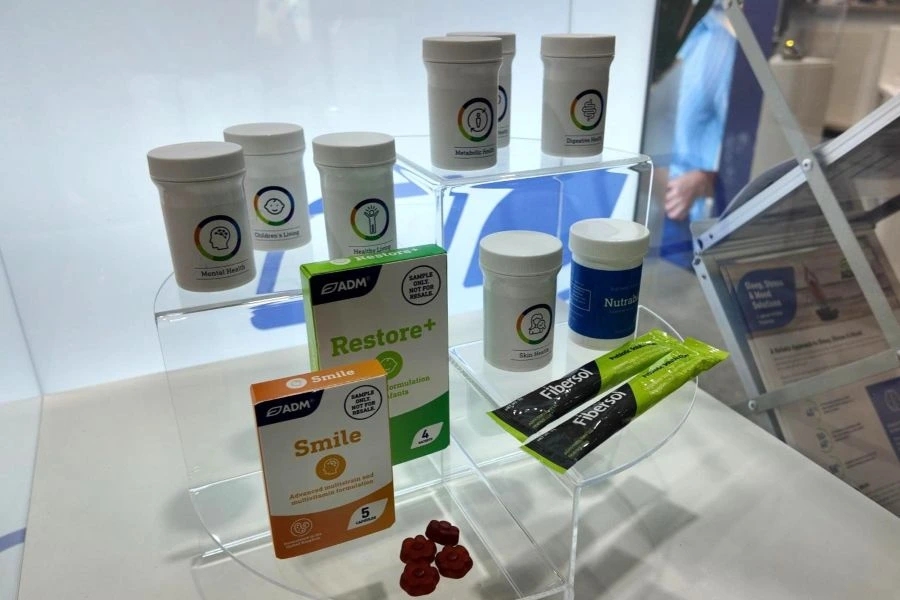 Humpert says that the inherent stability of postbiotics gives product developers greater freedom to work across various formulation conditions and packaging formats.Research also suggests benefits across different life stages. In healthy young women with an average age of 21.5 experiencing premenstrual symptoms, L. gasseri CP2305 postbiotic was shown to reduce stress and anxiety, support positive moods, decrease vaginal discharge, enhance skin appearance, and reduce occasional constipation. In women experiencing menopause, L. gasseri CP2305 postbiotic may support positive physiological and emotional changes as indicated by two validated questionnaires.
L. gasseri CP2305 postbiotic has also been studied in male long-distance runners, with results suggesting it may reduce stress and occasional fatigue associated with exercise, may support improved stress levels and recovery from exercise, and may help support positive mitochondrial function.
Additionally, new research further investigates the acute effects L. gasseri CP2305 postbiotic may have in supporting the gut-brain axis. The 2026 study findings are forthcoming.
What benefits do Fibersol and BPL1 provide for satiety and post-GLP-1 support?
Humpert: The increased mainstream awareness of anti-obesity medications (AOMs), such as GLP-1 receptor agonists, has also shifted the health, wellness, and nutrition segment, leading to more people seeking nutrient-dense options and smaller portions. For those transitioning off AOMs, priorities can shift toward maintaining progress as appetite returns. This is where prebiotic fibers can play an important role by supporting satiety, delaying hunger cues, stimulating appetite-regulating hormones, and promoting feelings of fullness.
However, not all fibers provide the same benefits. Certain prebiotic fibers can benefit gut health while also supporting satiety and blood sugar management. ADM/Matsutani LLC’s Fibersol prebiotic dietary fiber has clinically documented evidence supporting gut health. When consumed at 10 grams with a meal, Fibersol may increase the appetite-regulating hormone GLP-1 as part of a normal physiological response in healthy individuals. At doses of 4–6 g per meal, Fibersol may help reduce post-meal blood sugar levels within the normal range in healthy individuals, an important consideration for metabolic health and weight management.
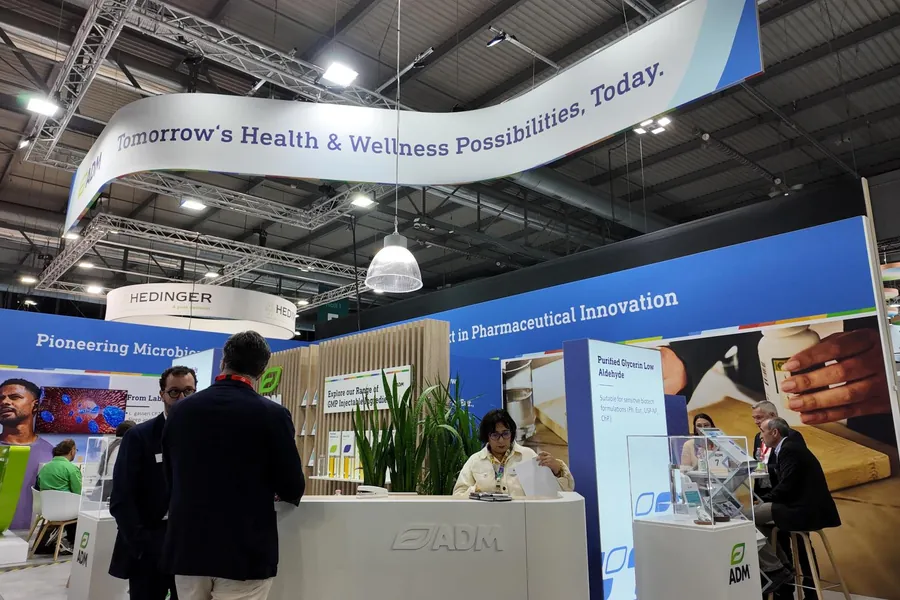 New research is investigating the acute effects of L. gasseri CP2305 postbiotic on the gut-brain axis, with findings forthcoming.This connection between appetite, blood sugar management, and the gut also brings greater attention to the gut-metabolic axis. ADM’s BPL1 (Bifidobacterium animalis subsp. lactis CECT8145) probiotic and postbiotic target aspects relevant to metabolic health, providing another avenue for supporting consumers focused on weight management post-GLP-1 use.
Where is growth in ADM’s health and wellness portfolio coming from now?
Humpert: Ongoing growth areas include stress, sleep, and mood; women’s health; metabolic health; digestive health; and emerging areas such as allergic rhinitis. Consumers seek solutions that address specific health and wellness goals, creating opportunities for more targeted, science-backed nutrition solutions.
For example, new 2026 clinical research examines our Esflorin1 (Bifidobacterium longum CECT7347) postbiotic and individuals with allergic rhinitis. This follows 2024 findings indicating Esflorin1 probiotic and postbiotic may help support overall gut and digestive health, with the potential to support reduced bloating.
We see opportunities to translate microbiome research into targeted formulation solutions. Esflorin1 postbiotic exemplifies this potential, highlighting how biotics can support innovation across wellness needs and in an array of functional food, beverage, and dietary supplement formats.