


American Society of Hematology raises ferritin thresholds for iron deficiency


Key takeaways
- The American Society of Hematology raised its ferritin thresholds in iron supplementation guidance to help clinicians identify deficiencies with more accuracy.
- New diagnostic cutoff levels are set at 20 ng/mL for young children, 30 ng/mL for standard adults and pregnant or menstruating women, up to 50 ng/mL for high-risk groups, and under 100 ng/mL for adults with inflammation.
- The organization says up to 70% of iron deficiency cases in high-risk populations are missed, impacting an estimated 10 million US adults and two billion people globally.
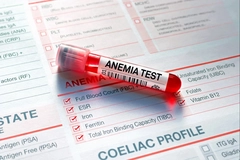
To help identify iron deficiencies earlier and more accurately, the US-based American Society of Hematology (ASH) is recommending that clinicians use blood tests based on higher ferritin thresholds.
Ultimately, the new guidance aims to raise the standards used to recognize and diagnose iron deficiencies across key populations, including adults, young children, individuals with inflammation, and menstruating and pregnant women.
In its newly published clinical guidance, the organization highlights long-standing challenges in diagnosing iron deficiency. These include variances in testing practices, inconsistent ferritin thresholds, and clinical scenarios in which iron deficiency can be difficult to identify.
“Iron deficiency and iron deficiency anemia are among the most common yet neglected medical conditions globally,” says ASH president Robert Negrin, M.D. “Many patients live with symptoms such as fatigue, weakness, dizziness, or difficulty concentrating for months or even years before iron deficiency is recognized.”
“These guidelines are an important step toward closing that gap by helping clinicians diagnose iron deficiency earlier and more accurately, so more patients can receive the care they need.”
Updated serum ferritin thresholds
Iron is stored in the protein ferritin and is essential for producing hemoglobin — a molecule that carries oxygen throughout the body. If untreated, the ASH warns that iron deficiency can progress to iron deficiency anemia, which impacts hemoglobin levels.
“Many patients live with symptoms such as fatigue, weakness, dizziness, or difficulty concentrating for months or even years before iron deficiency is recognized,” warns Negrin.
The ASH’s evidence-based recommendations are published in its peer-reviewed journal, Blood Advances. They were developed by experts across medical specialties.
The new guidance outlines updated ferritin thresholds that serve as cutoff numbers, below which patients do not have enough iron in their bodies.
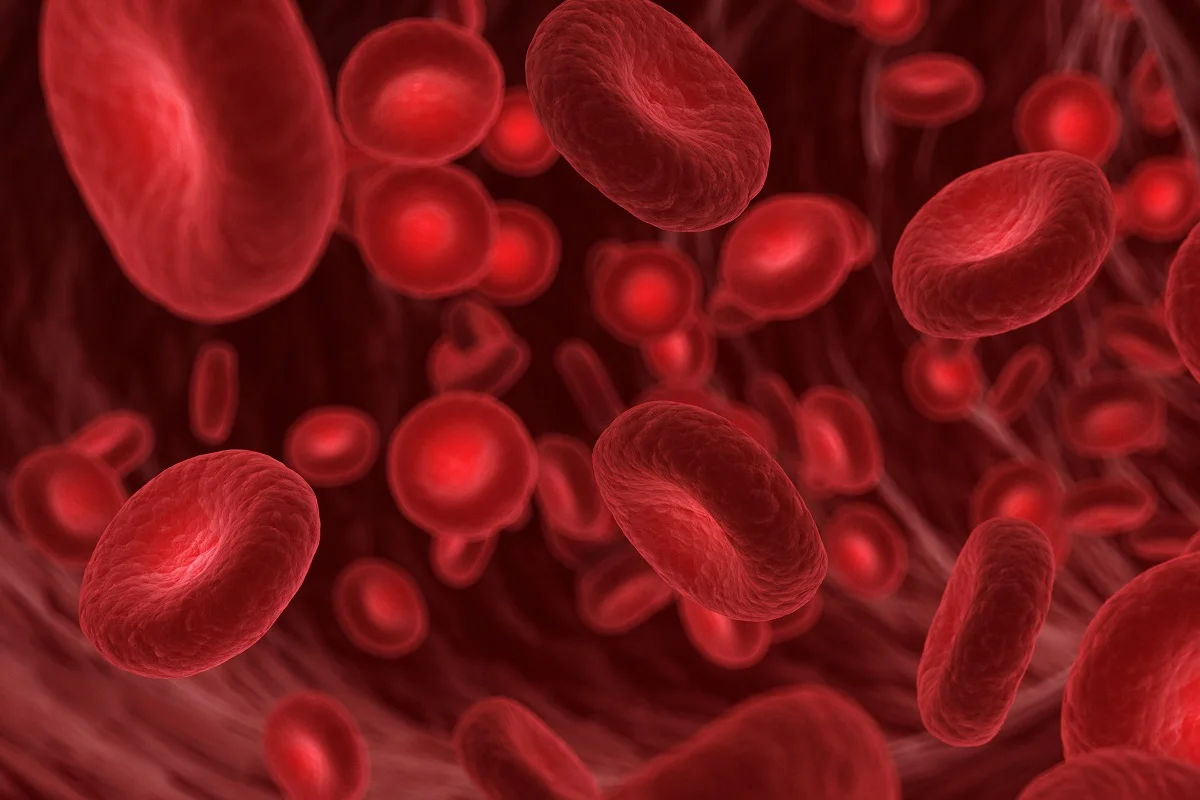 If left untreated, iron deficiency can progress to iron deficiency anemia, which impacts hemoglobin levels and causes fatigue, weakness, dizziness, and difficulty concentrating.Among children aged nine months to four years, the threshold is set to 20 ng/mL or lower. For adults and menstruating or pregnant women, it is 30 ng/ml or lower.
High-risk groups, including individuals with heavy menstrual bleeding and pregnant individuals with anemia, must maintain levels above 50 ng/mL.
For adults with inflammation — including those with cancer, inflammatory bowel disease, or infectious disease — a serum ferritin deficiency is set to lower than 100 ng/mL or transferrin saturation (iron transport protein) of under 20%.
“These updated ferritin thresholds provide clear guidance in an area where consensus has been lacking,” comments guideline chair Jacquelyn Powers, M.D., section chief of hematology at Texas Children’s Hospital and associate professor in the department of pediatrics at Baylor College of Medicine, US.
“We hope these recommendations empower patients to better understand and ask for the testing they need and that health systems adopt these thresholds for diagnosis.”
Prevalent public health challenge
Although iron deficiency is one of the most common health conditions in the world, the ASH stresses that many people live with symptoms for months or years before receiving a diagnosis. The organization estimates that the condition impacts an estimated 10 million adults in the US and two billion people globally.
It flags that individuals at higher risk of developing iron deficiency include those who are pregnant or menstruating, children, and people with gastrointestinal conditions, dietary restrictions, blood loss, or other chronic health conditions.
However, it warns that many cases go undiagnosed, with up to 70% of cases missed among high-risk populations due to limited screening and variability in diagnostic reference ranges.
Additional ASH guidance on the treatment of iron deficiency is planned for release next year.
In commercial advances, formulators are improving iron’s functionality and gut tolerability through new delivery innovations, such as Lubrizol’s microencapsulation technology.
Among other developments, SloIron’s plant-based ferritin-bound iron was recently found to efficiently deliver iron in healthy and iron-deficient women. In this format, the mineral is encased within a ferritin protein shell as a bionanomineral called ferrihydrite.
Researchers have also explored how to harness microbes to boost iron’s absorbability and performance. One study found that Probi’s probiotic strain Lactiplantbacillus plantarum 299v boosts iron bioavailability through different complementary mechanisms — from supporting iron solubility and uptake, to potentially influencing factors involved in iron metabolism.