


Active aging for all: How advances in healthspan research and tech are reshaping nutrition

Key takeaways
- The nutrition market focus is shifting from lifespan to healthspan, with consumers prioritizing long-term vitality, mobility, cognition, and independence over living longer.
- Science-backed, clearly communicated ingredients are critical, as longevity-minded consumers demand clinical evidence and credible narratives.
- Technology is accelerating opportunity, enabling better formulation, delivery, diagnostics, and tailored nutrition solutions across diverse age groups and cultures.

Experts note that longevity is shifting toward everyday wellness, as consumers increasingly seek to extend their healthspan, rather than simply living longer. Nutrition Insight catches up with Sirio, Lycored, Lonza Capsugel, Lactalis Ingredients, and Valio to explore opportunities in delivery technology, digital health, and personalized nutrition, aiming to meet the market demand for active aging solutions.
“Research shows consumers increasingly distinguish between living long and living well,” says Sara Lesina, general manager of Sirio Europe. “They see more and more of this in today’s social media channels — consumers from communities known as ‘blue zones’ who seem to live longer and better than many industrialized and urban areas.”

“At Sirio, we’re taking inspiration from the blue zones, helping our customers develop supplements that will keep individuals healthy and active for longer. This expands the market for active aging supplements.”
Additionally, Lesina underscores that brands can help consumers establish good habits before aging affects their bodies and minds while supporting people as their nutritional needs evolve.
Elizabeth Tarshish, Ph.D., head of Product and Science at Lycored, tells us that consumers look for products that promote long-term vitality, enabling them to maintain energy, mobility, cognition, and appearance throughout their lives.
“Longevity is becoming an everyday concept, and people want to understand how an ingredient works at the cellular level,” she details. “Active aging is fundamentally about maintaining cellular balance.”
“Supporting mitochondria, reducing ongoing oxidative and inflammatory stress, and managing the accumulation of aging cells can improve the body’s natural ability to stay strong and adaptable.”
Longevity consumers
As a diverse group of consumers, ranging from Gen Z fitness enthusiasts to aging adults, seek support for active aging, Shelby Linville, associate director of Global Product Marketing at Lonza Capsugel, notes that nutritional products addressing the needs of multiple demographics are “primed for sustained market success.”
“Going forward, we’re seeing the rise of the ‘back-to-basics’ trend. This is the call for products grounded in authenticity and science-backed benefits,” she adds. “To appeal to science-savvy consumers, nutraceutical brands must substantiate their ingredients with clinical evidence and communicate the research behind their offerings in an accessible way.”
 Macariou states that an aging population and growing awareness of health issues are creating demand for high-end, personalized solutions.Linville recommends brands tapping into the healthspan trend choose ingredients that support consumers’ specific health needs and demands for real and relatable results. For example, Lonza Capsugel’s UC-II undenatured type II collagen is clinically shown to improve joint flexibility, helping joints feel “10 years younger and increase step count by a quarter of a mile per day.”
Elodie Macariou, senior product manager at Lactalis Ingredients, highlights the challenge of consumer education in the active aging space: translating the complex science of longevity into accessible narratives. “Without clarity, the term ‘longevity’ risks becoming a vague and general concept.”
“However, the opportunities are vast: an aging population and growing awareness of health issues are creating demand for high-end, personalized solutions. Brands that combine scientific credibility with sustainability will thrive.”
Sirio’s Lesina adds that consumers’ preferences for active nutrition supplements diverge by age, gender, and culture.
“Appearance-focused solutions tend to be preferred by younger audiences and women, while older audiences prioritize independence and disease prevention, and men demonstrate more interest in life-extension therapies.”
She says that cultural framing further shapes the market. “Western consumers are wary of overblown or imprecise ‘anti-aging’ claims, but Asian shoppers more often embrace the term as proactive and aspirational. Grasping these nuances is critical in the active aging space.”
Technology benefits
Lesina notes that technology is reshaping the formulation and delivery of supplements. For example, she says that new proprietary manufacturing techniques have enabled Sirio to overcome the bitterness and sweating associated with magnesium, the unpleasant sensory properties of fish oil, and stability problems in creatine supplements.
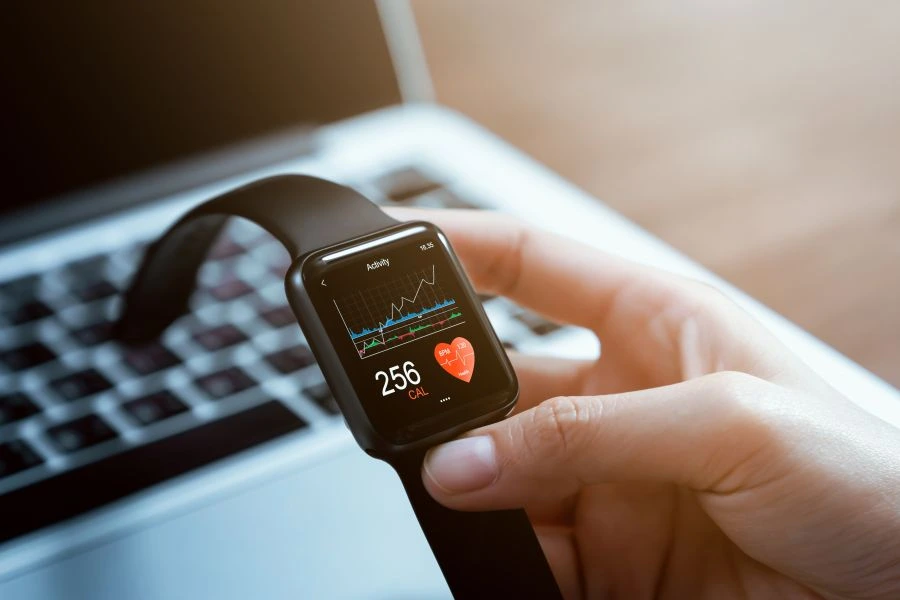 According to Tarshish, digital tools are transforming the active aging field, such as wearable devices, home test kits, and simple tracking.“In plant-based applications, our patented Plantegrity technology ensures reliable softgel performance, while EnteriClear protects acid-sensitive ingredients like omega-3 oils from degradation. This reduces stomach irritation and unpleasant belching — both priorities for the active aging category.”
Lycored’s Tarshish details that advances in encapsulation and beadlet technology enable lipophilic compounds, such as carotenoids, to remain stable and active in product formats like supplements, functional foods, and beverages.
“Digital tools are also transforming the field,” she adds. “Wearables, home test kits, and simple tracking applications help consumers follow parameters related to sleep, recovery, cardiovascular activity, and skin quality. These tools enable more targeted nutritional strategies that can evolve with individual needs.”
Tarshish expects that simple diagnostic tools and biological age markers, which allow people to track their progress, will also help support new products that target specific biological pathways, such as mitochondrial resilience or cellular renewal. “Brands that connect ingredients with these deeper longevity pathways will lead the category.”
Lonza Capsugel’s manufacturing process and proprietary testing method preserve the native structure and binding regions of type II collagen, adds Linville. “This process maintains the UC-II undenatured type II collagen’s triple helix structure and epitopes (or bioactive binding regions) that enable its unique mechanism of action.”
As a result, products only require a single, formulation-friendly daily dose of 40 mg. “It is easy to formulate into a wide variety of popular dosage formats, including liquid-filled capsules, gummies, and functional foods and beverages,” says Linville.
Lactalis Ingredients’ Macariou highlights the potential of technology to support precision nutrition through AI-based formulations and genetic profiling. “Digital health platforms and food apps help track nutritional intake and personalize recommendations. Internet of Things devices (i.e., connected electronics) and voice assistants (e.g., Alexa) help older people with reminders and tele-nutrition services.”
 Kronseder highlights the importance of sensory quality, especially for seniors who may experience reduced appetite or struggle to meet their nutritional needs.“In addition, smart packaging and nano-encapsulation improve bioavailability and compliance, while telehealth expands access to expert advice.”
Dairy-based ingredients
Linda Kronseder, business development manager at Valio, notes that milk is naturally rich in many nutrients that are most important for older consumers.
Valio aims to develop products that integrate seamlessly into consumers’ everyday lives and that bring enjoyment, she adds.
“Taste is essential, especially for older adults who may experience reduced appetite or challenges in meeting their nutritional needs. That’s why we put such strong emphasis on sensory quality. We’ve refined our ingredients to deliver a fresh, clean flavor and a smooth, appealing mouthfeel, helping ensure that nutritious choices are also delightful ones.”
Anu Turpeinen, Nutrition Research manager at the company, adds that Valio is also increasingly studying the effects of milk fat globule membranes, which support cognitive performance throughout the aging process.
“Inflammation is also emerging as a crucial theme,” she continues. “Chronic low-grade inflammation plays a role in many age-related conditions, driving strong interest in nutritional strategies that can help modulate inflammatory responses.”
She explains that bioactive peptides derived from milk proteins, particularly those found in fermented dairy products, show promising potential in reducing inflammation and supporting overall metabolic and immune health in older consumers.
“Together, these research directions are shaping a more holistic approach to nutraceuticals for active aging, focusing on cognitive resilience, physical strength and mobility, and long-term metabolic well-being,” Turpeinen concludes.