


GLP-1 use among young children in the US is rapidly increasing, study finds

Key takeaways
- GLP-1 medication prescriptions for US children below 12 years old have increased by 310-fold from 2019 to 2026.
- As the use of GLP-1 therapies for pediatric obesity grows, the researchers stress the need for long-term safety data from clinical trials.
- The researchers also found that children in high-income households were more likely to receive GLP-1 prescriptions, raising concerns about disparities in access.
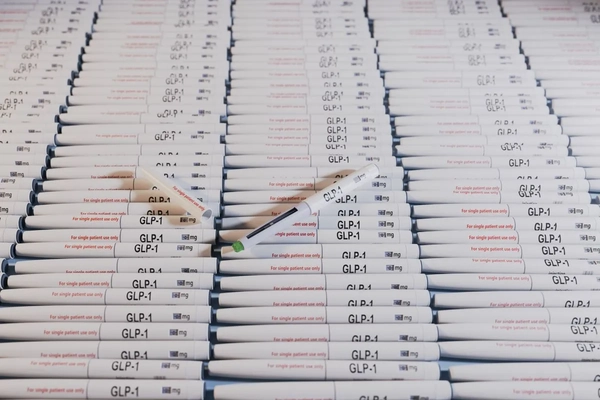
The number of US children aged below 12 years old who are prescribed GLP-1 weight-loss drugs such as Wegovy, Zepbound, and Saxenda has increased by 310 times from 2019 to June 2026, according to new research.
The study was conducted by researchers from New York University (NYU) Langone Health, US. It found that prescriptions for weight loss medications are less common for children aged eight to 11 compared to teenagers aged 12 to 17.
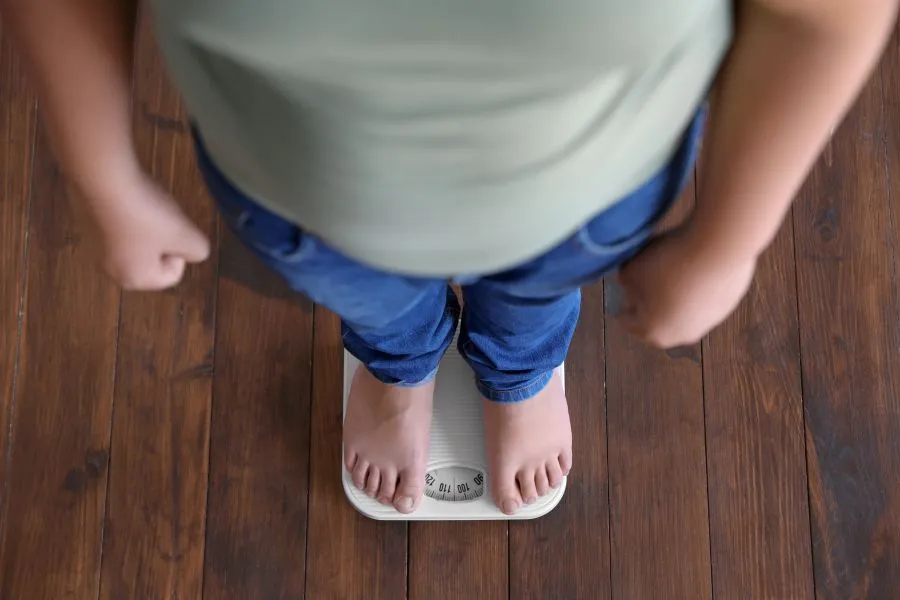
Meanwhile, 20% of US children are obese, with a body mass index (BMI) above the 95th percentile among other children of the same age.
The researchers found that the percentage of children who were prescribed a GLP-1 medication without having diabetes increased from 0.03% in 2019 to 9.3% in 2026, amounting to a 310-fold increase in 7.5 years, and 20,282 children were prescribed the drug.

With the rise in children using GLP-1s, there appears to be a gap in nutritional products designed for this consumer group. In the adult space, we previously discussed that GLP-1 clinical trials are not tracking what patients are consuming with industry players, who explained what this data gap means for nutrition industry innovators developing solutions for GLP-1 users today.
A rapid increase
To be published today in Pediatrics, the study found that older obese children are more likely to be prescribed a GLP-1 weight loss medication compared to younger children. It also found that girls were more likely than boys to get a prescription.
 The careful use of GLP-1s remains a valuable tool in confronting the obesity epidemic among young Americans, says Orandi.“Our study offers the first national overview in young children of the use of GLP-1 drugs to fight the obesity epidemic in the US and shows that while the absolute numbers of children under the age of 12 receiving GLP-1 treatment are still low, GLP-1 use is accelerating rapidly,” says lead investigator and obesity medicine specialist, Babak Orandi, Ph.D., an associate professor in the Departments of Surgery and Medicine at NYU Grossman School of Medicine.
“The careful use of GLP-1s remains a valuable tool in confronting the obesity epidemic among young Americans.”
The researchers note that 93.7% of the children prescribed these medications had severe obesity, with a “substantially higher” BMI compared to other children of similar age. Additionally, 65.2% of children also suffered obesity-related illnesses, such as sleep apnea, high cholesterol, or high blood pressure.
Orandi explains that GLP-1 drugs are very effective at treating obesity and its related metabolic health complications, leading to weight loss, appetite repression, and better blood sugar regulation.
She emphasizes that parents are hesitant to the thought of their children being prescribed weight loss medications, but there are also long-term health risks associated with not going on the medications, such as diabetes, hypertension, and liver disease.
The study also found that a quarter of the children prescribed the medications were prediabetic and therefore considered high risk of later developing the most common obesity-related disease.
Another recent study revealed that GLP-1 weight loss medication use among teenagers and young adults in the US also rapidly increased in recent years. Nutrition Insight spoke with the study authors about how the long-term effects from using these drugs are still unknown, especially on this young population going through a significant physical development period.
Importance of equal access
The study also found that obese children living in upper-income households were 55% more likely to be prescribed GLP-1 medications, compared to those in middle- and low-income households.
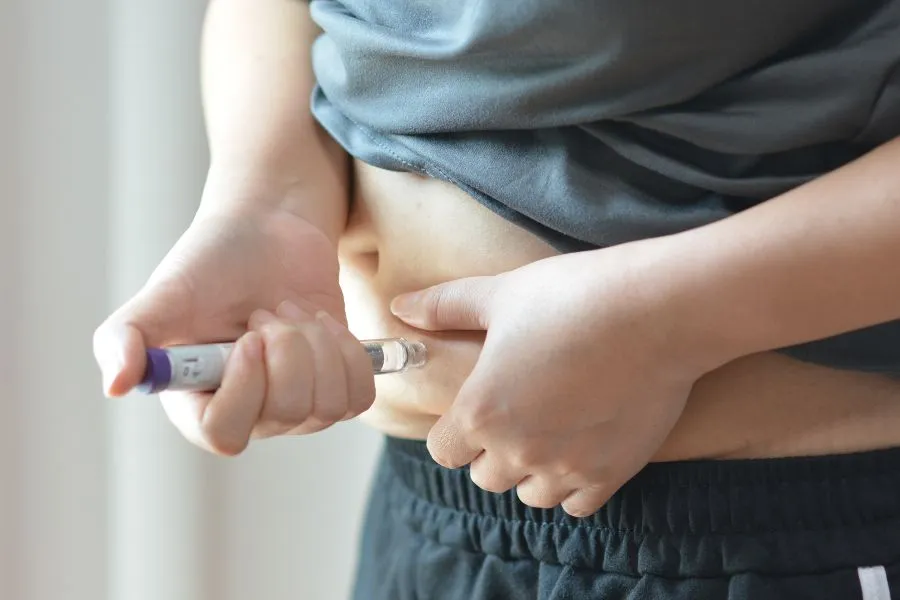 The study found that children in high-income households have higher access to GLP-1 medications compared to those from middle- and low-income homes.“Physicians and health policymakers alike have a responsibility to ensure, as use of GLP-1 medications continues to rise, that all young children with obesity who need these drugs have access to them and that these valuable and sometimes costly treatments become available to more than those who have access to health insurance and can afford to visit pediatric clinics,” says study co-senior author Allan Massie, Ph.D., an associate professor in the Departments of Surgery and Population Health at NYU Grossman School of Medicine.
Masse argues that this is the beginning of a prescription pattern of growing divergence between those who do and do not have access to these medications.
In December last year, the WHO warned that the current production levels of GLP-1 therapies are insufficient to equitably provide care for the billion people suffering from obesity. While advocating the long-term use of these medications, it called for health care systems to focus on person-centered care with fair access to treatments.
For children prescribed GLP-1 medications, Orandi stresses the importance of ensuring the drugs are safe and effective in the long term. He says clinical trials are “already underway” for the safety of GLP-1 medications on obese children aged six. These findings will inform and guide physicians, policymakers, and parents about the use of these medications, he argues.