





GLP-1 use among US adolescents surges, but long-term health effects remain unknown


Key takeaways
- GLP-1 weight loss medication use among US adolescents and young adults receiving obesity treatment increased between 2022 and 2026, while MBS declined.
- Researchers warn that the long-term effects of GLP-1 drugs during adolescence are not known, as no data yet exist.
- Weight loss medications should not be a stand-alone treatment but a part of comprehensive obesity care, also focusing on nutrition, physical activity, and mental health.

A study reveals that GLP-1 weight loss medication use among teenagers and young adults in the US has rapidly increased in recent years. Long-term effects from using these drugs are still unknown, especially on this young population going through a significant physical development period.
Between 2022 and 2026, GLP-1 use among people aged 13–25 seeking obesity treatment increased from 88.2% to 96.1% and outpaced metabolic and bariatric surgery (MBS) use, which saw a decline from 11.6% to 3.7%.
Data in the study published in JAMA showed that some people combined both GLP-1 and MBS treatments. The researchers note that both treatments are effective, but stress that there is not enough scientific knowledge on younger patients combining the two or sequentially using them.
Nutrition Insight sits down with the first author of the study, Sarah Messiah, Ph.D., MPH, associate dean for Research, professor of Epidemiology and Pediatrics, and director of the Child and Adolescent Population Health Program at the Peter O’Donnell Jr. School of Public Health, UT Southwestern Medical Center, US.
She tells us that the most surprising finding of the research is the speed of the shift in clinical practice. “In just a few years, GLP-1 medications became the overwhelmingly predominant treatment among adolescents and young adults receiving obesity care, while utilization of MBS declined substantially.”
“We were also surprised to observe any meaningful use of combination therapy at all. Currently, there are no evidence-based clinical practice guidelines that define when or how GLP-1s and MBS should be used together in adolescents and young adults. Yet, we found that combination therapy was already occurring in real-world practice, with most patients receiving GLP-1 therapy before surgery.”
“This suggests that clinicians are beginning to individualize treatment pathways even in the absence of formal guidance, highlighting how rapidly the field is evolving.”
This shift shows that obesity care is undergoing a rapid transformation. Messiah notes that clinicians have more effective medical therapies than ever before, but scientists still know remarkably little about the optimal sequencing of medications and MBS, or which patients benefit most from each approach.
“This evolution in treatment highlights an urgent need for evidence that moves beyond weight loss alone to examine long-term cardiometabolic health, quality of life, and durability of treatment effects.”
Concerns about youth on GLP-1
According to Messiah, GLP-1 medications have demonstrated meaningful benefits for adolescents living with obesity, including substantial weight reduction and improvements in obesity-related conditions such as type 2 diabetes and hypertension, but she underscores that drugs need to be prescribed appropriately and accompanied by ongoing medical supervision.
 Adolescence is a unique developmental period, and long-term data is needed to understand how GLP-1s may influence growth, says Messiah.She adds that current pediatric clinical guidelines recognize these medications as an evidence-based treatment option for selected adolescents with obesity.
“That said, adolescence is a unique developmental period. We still need longer-term data to understand how these medications may influence growth, body composition, nutritional status, and whether benefits are sustained after treatment is discontinued,” Messiah stresses.
“Questions also remain regarding the optimal duration of therapy and how best to integrate medication with lifestyle interventions or surgery over the life course.”
The most important message is that these medications should not be viewed as stand-alone treatments, she argues.
Mental health as part of obesity care
Messiah tells us that GLP-1 medications are one component of comprehensive obesity care, while stressing the importance of including nutrition, physical activity, behavioral support, and regular medical follow-up.
Additionally, she believes mental health should always accompany obesity treatment, regardless of which therapy is used.
“Adolescents with obesity already experience disproportionately high rates of depression, anxiety, bullying, and weight stigma. Our study itself found that anxiety and depression were among the most common coexisting conditions in this population. For some young people, successful obesity treatment may improve self-esteem, physical functioning, and quality of life.”
She underscores that medications alone do not address the psychological and social factors that contribute to obesity. “We need to ensure that treatment supports healthy behaviors and realistic expectations rather than reinforcing the idea that there is a ‘quick fix.’”
“I think we should move away from viewing medication as either a shortcut or a failure. Obesity is a chronic, biologically complex disease. Just as we use medications to manage asthma or diabetes, anti-obesity medications can be appropriate tools within a comprehensive treatment plan. The goal is not simply weight loss but improved lifelong health.”
Nutrition remains foundational
Although weight loss medications and surgeries are sometimes necessary, nutrition remains the cornerstone of obesity management, argues Messiah.
 Nutrition remains the “cornerstone of obesity management.”“No medication or surgery replaces the importance of developing healthy eating patterns that support long-term health,” she emphasizes. “We always say that MBS and medications are ‘tools’ for weight loss goals, but they must always be supported by healthy lifestyle habits, namely quality dietary intake and consistent physical activity.”
“For sure, the role of nutrition has evolved from prescribing restrictive diets to helping families establish sustainable eating habits that improve overall metabolic health. We now focus on dietary quality, reducing ultra-processed foods, increasing fruits, vegetables, lean proteins, and whole grains, and creating eating patterns that children and families can realistically maintain and afford.”
She says that even among patients receiving GLP-1 medications or MBS, nutrition is essential for maintaining muscle mass, preventing nutritional deficiencies, and supporting long-term success. “The best outcomes occur when medical therapy and nutrition work together rather than being viewed as competing approaches.”
Experts have previously flagged the importance of nutritional guidance when using or discontinuing GLP-1 medications.
Sustainable obesity treatment
For sustainable and healthy weight loss, Messiah stresses that there is no one-size-fits-all approach for this population because obesity is a highly individualized disease.
“We need to be thinking much more in a ‘precision obesity care’ framework,” she says. “The healthiest strategy begins with early intervention, family-centered nutrition counseling, increased physical activity, healthy sleep, and behavioral support.”
“For many adolescents, those interventions remain the foundation of care. For youth with more severe obesity or obesity-related medical complications, medications such as GLP-1 and, in appropriate cases, MBS should be considered as additional evidence-based treatment options, not as replacements for healthy behaviors, but as tools that help young people achieve better health outcomes.”
Ultimately, Messiah argues that success should not be measured solely by the number on the scale, but should also consider improvements in blood pressure, diabetes risk, liver health, physical function, mental well-being, and quality of life.
Challenges for adolescents
Messiah believes that we are entering a new era in obesity care for adolescents and young adults, with conversations shifting from whether we should treat obesity to how we can personalize treatment for each patient.
“Our study documents that this transformation is already occurring in real-world clinical practice. The next generation of research needs to determine which treatment pathways produce the best long-term outcomes, when medications should be introduced, how and when they should be combined with MBS when appropriate, and how we ensure equitable access to effective care.”
She explains that an important aspect of this new frontier is the changing role of patients themselves. “Today’s adolescents and young adults are digital natives who often come to the clinic having already spent hours learning about GLP-1 medications on social media platforms such as TikTok, Instagram, and YouTube. They arrive with questions, expectations, and a desire to actively participate in treatment decisions.”
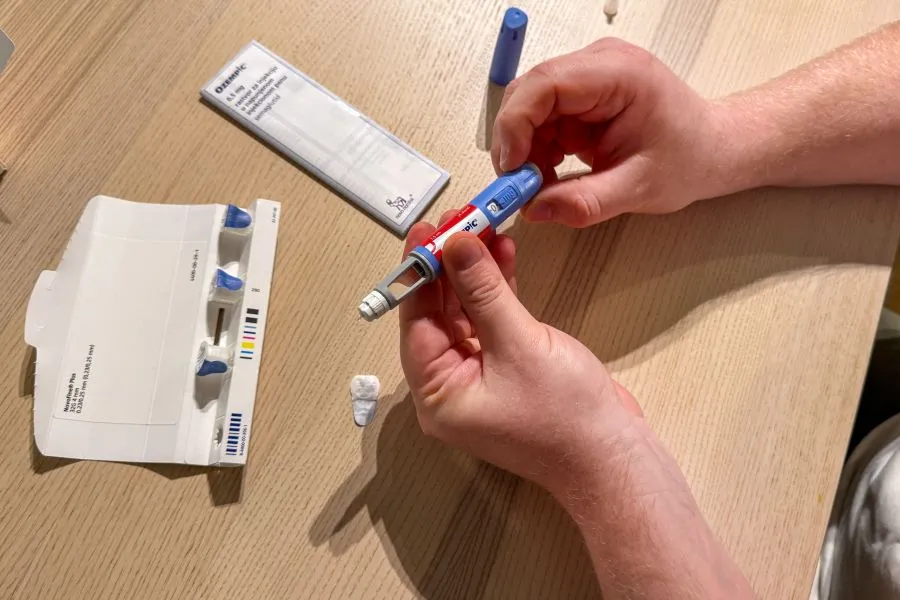 Although highly effective obesity medications have transformed treatment options, access and affordability remain challenging.A US survey published earlier this year found that nearly half of its citizens rely on unaccredited sources, social media, and AI-generated recommendations for nutrition advice rather than trained professionals. It flagged that consumers struggle to differentiate reliable data from misinformation.
“While the quality of online information varies considerably, this reflects a broader shift toward shared decision-making, where clinicians, patients, and families work together to develop individualized treatment plans based on the best available evidence, patient values, and clinical judgment,” says Messiah. “Our challenge as health care providers is to help young people separate evidence from hype while empowering them to make informed decisions about their health.”
Other major challenges include access and affordability. Although highly effective obesity medications have transformed treatment options, insurance coverage remains inconsistent, and many families continue to face significant financial barriers, she shares.
“As a result, some patients seek compounded GLP-1 products and other peptides, because they are more accessible or less expensive than branded medications. This is a unique challenge in obesity medicine and highlights the need for policies that improve equitable access to safe, evidence-based treatments so that clinical decisions are driven by what is best for the patient, not by cost or availability.”
Messiah concludes that ultimately, obesity is a chronic disease that deserves the same evidence-based, individualized, and compassionate treatment that is provided for other chronic medical conditions.
“The goal is not simply helping young people lose weight, it is helping them live longer, healthier lives.”