



“Reboot the system”: WHO’s new GLP-1 guidance urges universally accessible care

Key takeaways
- WHO warns that current GLP-1 production can cover less than 10% of people with obesity, urging governments and health systems to scale access equitably.
- New guidance supports long-term GLP-1 use with IBT for sustainable obesity care.
- Medication alone is insufficient, with WHO calling for a system-wide, person-centered global obesity management ecosystem.

The WHO warns that the current production levels of GLP-1 therapies are insufficient to equitably provide care for the billion people suffering from obesity. While advocating the long-term use of these medications, it calls for health care systems to focus on person-centered care with fair access to treatments.
As the WHO approves the long-term use of GLP-1 (over six months), it also suggests combining it with intensive behavioral therapy (IBT). This involves creating structured goals for exercise and diet, restricting energy intake, receiving weekly counseling, and conducting routine progress assessments.
This new guidance on the use and indications of GLP-1 therapies for treating obesity in adults posits that GLP-1 therapies should spark a shift toward sustainable global health ecosystems that aim to reverse obesity and its comorbidities.

Scaling GLP-1s
According to several research studies by The Lancet, WHO, and the World Obesity Federation, cited in the guide, one billion people suffer from obesity. This is set to rise to two billion by 2030.
Under this scenario, the WHO underlines that the production of GLP-1 therapies can only cover 100 million people — less than 10% of people currently obese.
The WHO calls for new approaches that could meet this gap. This would build the foundations of an “integrated global obesity management ecosystem,” as it requires action on an “unprecedented scale.”
Successfully implementing the guideline
The intergovernmental organization highlights three factors that mark the effective use of the new guidelines.
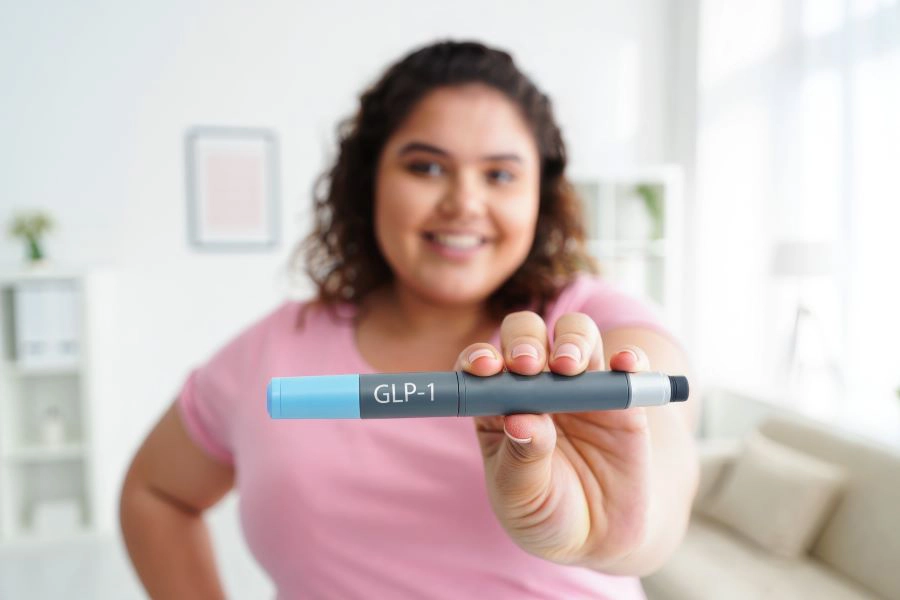 WHO calls for equitable access to GLP-1 therapies as part of a broader global obesity care system.These include providing fair access to affordable GLP-1 therapies and readying health systems to bring high-quality obesity care, which combines therapies with behavioral therapy.
The guidelines also advocate for more person-centered care that is nondiscriminatory and universally accessible to all who need it.
Furthermore, the WHO notes that while GLP-1s are essential today, medication alone is insufficient to address the obesity crisis at scale. It stresses the need for a system-wide response focused on prevention, care, and addressing the root causes of obesity, not just medication.
Building a new system
The WHO envisions an ideal system that prioritizes services for obesity management that are available, accessible, affordable, and sustainable for all.
It maintains a positive outlook on the fact that obesity reversal and management across all ages and interventions to manage related comorbidities are now realistic.
However, the WHO warns: “The way societies respond to this opportunity will determine whether this is truly the dawn of a new, more equitable era or a missed opportunity to record a historic global health success story.”
“People living with the disease must be positioned as co-creators of their own health journeys, ensuring care models are person-centered by design.”
The publication was developed with guideline development groups, comprising experts in obesity, epidemiology, clinical management, pharmacology, health economics, public health programs, and policymaking.
 Long-term GLP-1 treatment must be paired with behavioral support to achieve sustainable health outcomes, says WHO.The WHO calls for increased collaboration among nations and stakeholders to address the obesity crisis.
The nutrition connection
GLP-1 companion products have risen this year, with prunes gaining popularity in social and mainstream media, as a simple complement to a GLP-1 diet, highlighted the California Prune Board. They are a nutrient-dense snack with high fiber and natural sweetness.
Meanwhile, research indicated that NXT USA’s proprietary formulation, Digexin, addresses various types of gastrointestinal issues in adults prescribed GLP-1 receptor agonist therapy.
Among other supporters for GLP-1 users, Brightseed launched BioMetaControl, its first bioactive ingredient for metabolic health, supporting glucose control, sustained energy, and digestive relief, which are crucial needs among GLP-1 users.