



Lallemand wins US FDA approval for vitamin D2 inactive baker’s yeast in foods


Key takeaways
- The US FDA amended its regulations to approve Lallemand’s vitamin D2 inactive baker’s yeast as a labeled vitamin D2 source across food and beverages.
- Created by exposing baker’s yeast to UV light followed by heat inactivation, the ingredient is regulated under the newly established 21 CFR §172.383.
- The ingredient can be used in products such as breakfast cereals, plant-based dairy and proteins, certain ready meals, baked goods, snacks, grain products, smoothies, and fortified juices.
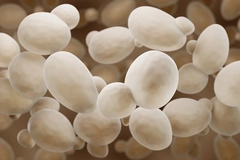
The US FDA has amended its food additive regulations to allow the use of Lallemand’s vitamin D2 inactive baker’s yeast as a labeled “source of vitamin D2” in various food categories.
Following the approval of Lallemand’s Food Additive Petition (FAP 1A4829), the FDA established the food additive regulation 21 CFR §172.383 to govern the ingredient.
Published in the Federal Register on September 25, 2026, the final rule became effective on the same date.
“This authorization represents an important milestone for Lallemand and food manufacturers seeking innovative nutritional solutions,” says Celia Martin, regulatory affairs director and innovation program manager at Lallemand.
“The FDA’s final rule concludes that the intended uses of vitamin D2 inactive baker’s yeast are safe and establishes a specific regulatory framework for its use in multiple food categories.”

Approved food categories
While vitamin D plays an essential role in human health, Lallemand flags that inadequate intake of the nutrient remains a global concern. Researchers have been exploring alternative and more sustainable sources for the nutrient, such as Nutriearth’s processing method to extract vitamin D3 from edible mealworms placed under UV light.
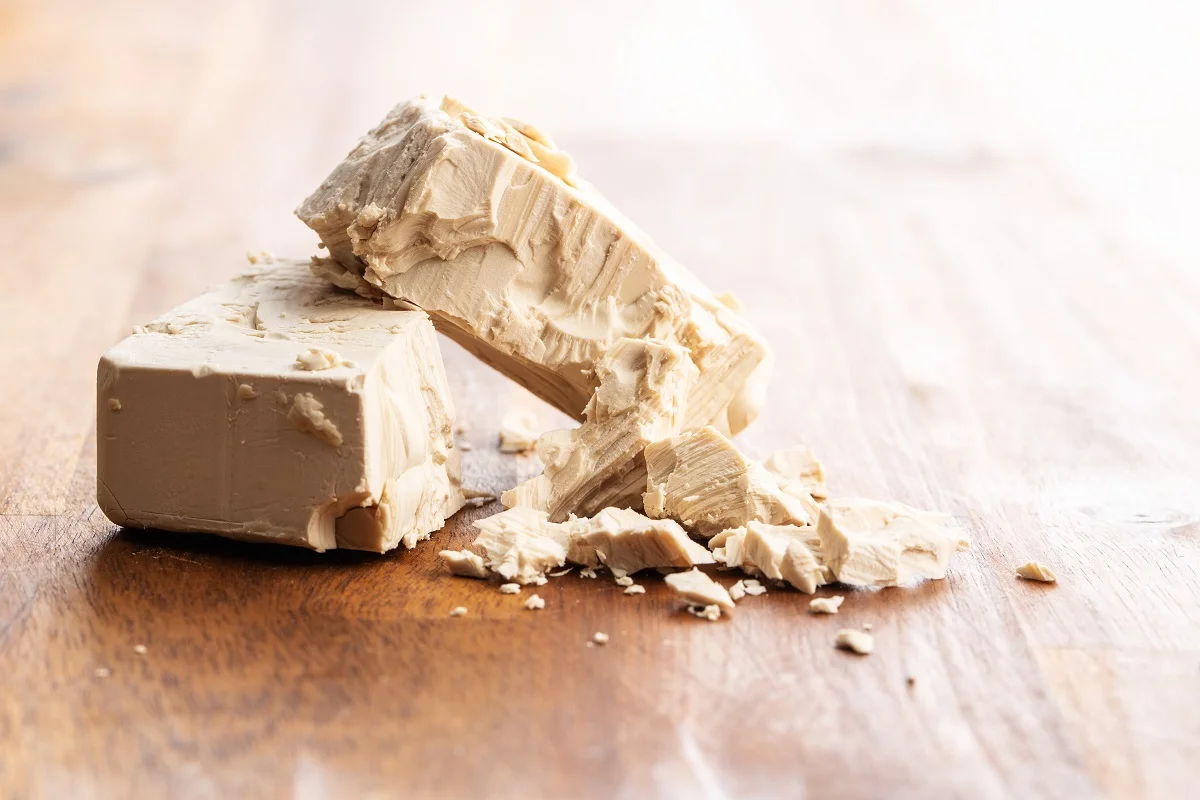 Lallemand exposes baker’s yeast to UV light, which produces vitamin D2.Lallemand produces the vitamin D2 by exposing baker’s yeast (Saccharomyces cerevisiae) to UV light, followed by an inactivation step using heat.
The approved food categories include breakfast cereals, plant-based yogurt alternatives, extruded vegetable snacks, grain products and pastas, meal replacement products, plant protein products, soups and soup mixes, soy-based alternatives, yeast-leavened baked goods, baking mixes, and baked snack foods.
For beverages, the ingredient can be used in fruit smoothies, calcium-fortified fruit juices and fruit juice drinks, plant-based beverages marketed as milk alternatives, and vegetable juices.
Lallemand’s global regulatory advances
In other regulatory news, Lallemand’s Bio-Ingredients division recently welcomed updates to Health Canada’s Natural Health Product Monographs, which now recognize its brewer’s yeast (Saccharomyces cerevisiae) as a source of trans-resveratrol and yeast beta-glucan.
Lallemand Bio-Ingredients received an additional health claim from Health Canada for its Gastro-AD postbiotic in August. The product does not contain active pharmaceutical ingredients and is designed to help relieve symptoms associated with functional dyspepsia, a chronic type of indigestion that has no known cause.