





Probiotic supplement use jumps 287% in US adults but fiber intake stalls, study finds

Key takeaways
- Research reports that US probiotic supplement use surged between 2009 and 2023, while overall dietary fiber intake remained below recommended levels.
- The study found probiotic users eat slightly healthier and consume more fiber than non-users on average, but still fail to hit minimum daily dietary fiber targets.
- The researchers warn that consumers are relying on supplements over whole food diets, even though beneficial gut bacteria feed on a diverse mix of plant fibers.

New research reveals that probiotic supplement consumption has surged in the US between 2009 and 2023 — jumping 287% among adults and 786% among people under 20. Despite this trend, eating patterns around microbiome-supporting foods remained virtually unchanged.
Fiber intake did not meaningfully change within this period, while the average consumption of high-microbial foods — including vegetables, fruits, legumes, and whole grains — slightly rose.
To find out more about divergent trends between gut health supplements and whole foods, Nutrition Insight sits down with lead study author Kira Newman, M.D., Ph.D., clinical assistant professor of Internal Medicine at the University of Michigan Medical School, US.
“We don’t know based on our data how people are making these choices,” she tells us. “Some probiotic users have higher fiber and microbially dense food intake, suggesting that they may be taking a multimodal approach to gut health.”

However, she notes that the dietary differences between probiotic supplement consumers and non-users are still small. Additionally, most probiotic supplement users fail to consume adequate amounts of dietary fiber.
.webp) The study found most probiotic supplement consumers still fail to consume adequate amounts of fiber.“The trends suggest that consumers who are taking probiotic supplements are not consistently making changes to their fiber intake. Most participants’ fiber consumption was far below the recommended level throughout the time period we studied.”
The study found most probiotic supplement consumers still fail to consume adequate amounts of fiber.“The trends suggest that consumers who are taking probiotic supplements are not consistently making changes to their fiber intake. Most participants’ fiber consumption was far below the recommended level throughout the time period we studied.”
Supplementation surges
Despite extensive research on the role of probiotics and diet in health, the study authors say that little is known about how trends in probiotic use relate to dietary patterns.
The study published in Clinical Gastroenterology and Hepatology used data from the US National Health and Nutrition Examination Survey. Dietary recall data were available for 54,776 respondents, representing roughly 256,823,335 people nationwide.
Between 2009 and 2023, the proportion of consumers under 20 taking a probiotic supplement rose from 0.63% to 5.58%. For those above 20, the percentage increased from 1.8% to 6.96%.
Researchers observed a small but statistically significant decrease in fiber intake over time, and a statistically significant but minimal increase in average microbial intake.
The analysis also highlights a particularly dramatic increase after 2014, despite official guidelines suggesting limited benefits.
The study notes that probiotic users do eat healthier on average — consuming more foods high in microbial quality and getting about 1.35 g more fiber per 1,000 calories than non-users.
However, it flags that even these health-conscious supplement takers fail to hit recommended daily fiber targets. Mean and median fiber intake were lower than the recommended daily intake of 14 g/1,000 kcal for all groups.
Moreover, the authors stress that probiotic supplementation is often taken without the recommendation of a health care provider.
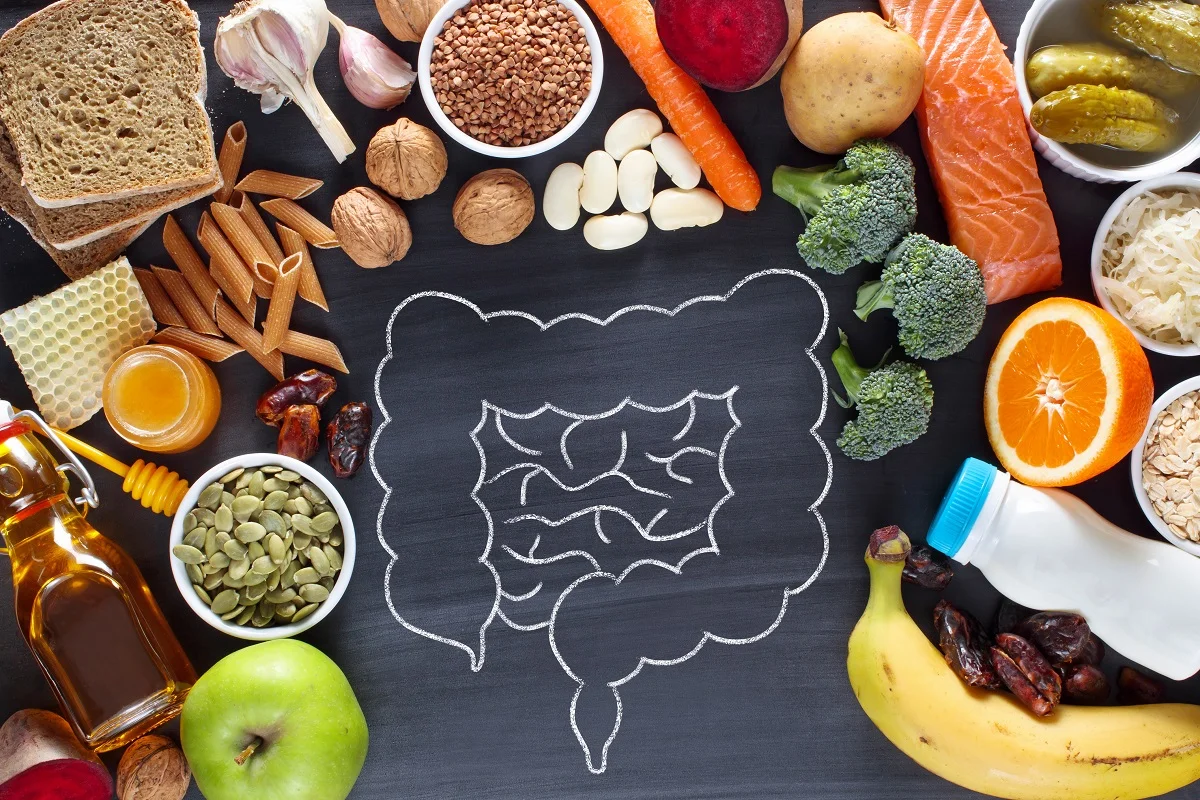 The researchers encourage more consumption of microbe-diverse fruits, vegetables, and legumes, which also offers a diversity of fibers needed to feed the gut microbiome.Results from a separate national survey published earlier this year by Rooted Research Collective warned that nearly half of US citizens rely on unaccredited sources, social media, and AI-generated recommendations for nutrition advice rather than trained professionals.
Industry-led actions
According to Innova Market Insights global data, fiber and probiotics are the most common gut health ingredients, with 38% of 2025 gut health food, beverage, and supplement launches claiming to contain fiber and 19% claiming probiotics.
However, the market researcher highlights that many consumers look for fiber and probiotics without fully grasping their connection — that probiotics are reliant on a variety of fibers for a source of food. Gut bacteria feed on different types of fiber because each type has a distinct chemical structure that requires specific bacterial enzymes to break down.
“One concern is that probiotic supplements may have limited impact on health if the underlying dietary patterns of consumers remain suboptimal,” notes Newman.
“Microbes require supportive nutrition — a diet high in fiber helps sustain many of the beneficial bacteria provided in supplements. However, dietary changes require not just individual-level behaviors but also food system-level changes.”
Brands this year have been gradually adapting their product innovation strategies with respect to this. For instance, Momentous recently launched a triple-action fermentable fiber supplement for gut health, which blends fermentable fibers with resistant starch.
Whole foods first
The paper authors stress that the increasing probiotic supplement use among adults and children in the US, with a lack of corresponding improvements in diet, highlights a gap in health policy and communication.
Newman advocates more governmental support and clearer guidance around the consumption of fresh vegetables, fruits, and whole grains as a beneficial foundation for their products.
“A diet with plenty of vegetables, fruits, legumes, and whole grains provides not just fiber, but also a wealth of other beneficial vitamins, minerals, and plant-derived compounds,” Newman says.
“This helps support a diverse range of beneficial gut microbes. Prebiotic supplements alone do not contain the same variety or richness. It’s like picking one color out of a rainbow.”
The study authors hope these trends will highlight the need for more public health campaigns on the importance of diet in fostering microbiome health.