




Sanku backs Ethiopia’s flour fortification push with US$4M premix factory
Key takeaways
- Sanku has invested US$4 million in its Addis Ababa premix factory, which it says can serve up to 200 million people.
- The company says Ethiopian millers will pay in birr, order by the box, and get premix in days instead of months.
- The factory is expected to create about 250 jobs and support Ethiopia’s 2030 fortification targets.

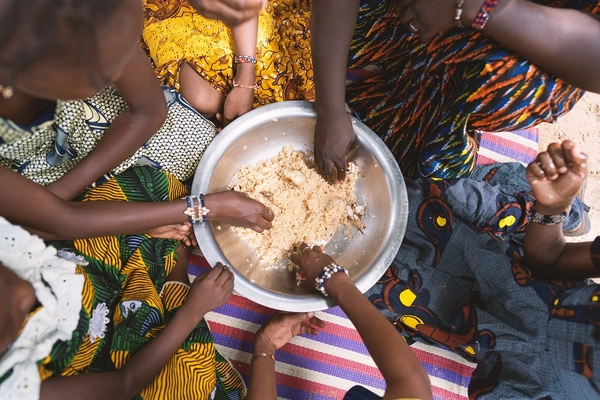
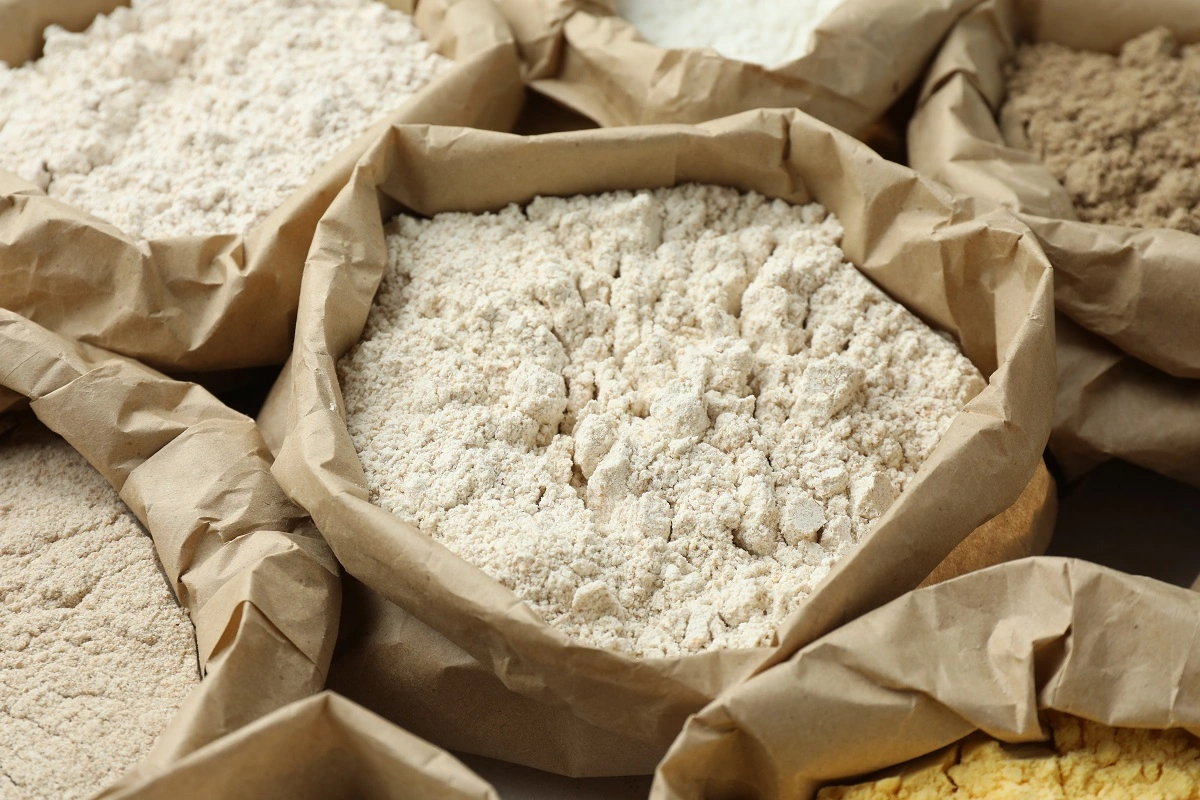
Sanku, a US-based social enterprise that sells nutrient premix to millers, has announced plans to open a new nutrient premix manufacturing facility in Addis Ababa, Ethiopia, on December 7. With the new plant, the company aims to strengthen local supply chains for food fortification and reduce reliance on imported premix. Nutrient premixes blend essential vitamins and minerals that millers can add to flour, delivering nutrients through foods that families already consume, such as bread and pasta.
The facility will support Ethiopian government efforts to expand its national food fortification programs, with Sanku leaders, partners, millers, and senior government officials invited to attend the opening ceremony.

According to Sanku, the factory will have an annual production capacity of up to 3,000 metric tons, which the organization says is enough to supply premix for flour consumed by up to 200 million people across the region as production and demand grow.
Sanku says the 6,900 m22 (74,000-square-foot) factory in the Kilinto Special Economic Zone represents an investment of approximately US$4 million. The site includes manufacturing facilities, warehousing, and a dedicated quality -control laboratory.
Once fully operational, the Ethiopian factory is expected to create approximately 50 direct and 200 indirect jobs, while developing specialist manufacturing and quality-assurance capabilities in Ethiopia.
“Food fortification has been standard practice in many high-income countries for decades, and it’s encouraging to see Ethiopia and other countries across Africa making it a national priority,” says Felix Brooks-church, co-founder and CEO of Sanku.
“But passing a law doesn’t mean fortified flour automatically reaches families. Millers need reliable supplies of nutrients, the right equipment, and support to maintain quality. That’s why we work alongside millers and governments to turn fortification policies into everyday practice through our social enterprise model.”
Reducing dependence on imported premixes
Sanku notes that, historically, Ethiopia has depended heavily on imported premix, exposing millers to long shipping times, foreign-exchange constraints, and fluctuating prices. Sanku says local production will address part of this challenge by strengthening supply reliability, quality control, and local technical expertise.
 Felix Brooks-church says fortification laws need reliable premix supply to reach families.Sanku says the new facility will allow millers to pay in Ethiopian birr rather than scarce foreign currency, order premix by the box instead of the container, and receive supplies in “days rather than months.”
The organization’s patented Dosifier technology automatically adds essential nutrients during flour production, notes Sanku. Originally developed for smaller mills often overlooked by conventional fortification programs, the technology is now part of a broader system serving mills of all sizes.
Working with millers and government partners, Sanku combines dosing equipment, locally manufactured premix, training, field support, quality assurance, and commercial supply chains to make fortification more reliable and scalable.
According to the organization, its wider network comprises 1,974 partner mills and 1,809 Dosifiers, with more than 87 million people consuming flour fortified through the network.
Ethiopia’s fortification mandate
Ethiopia approved mandatory fortification policies for wheat flour and edible oil in 2022 and has committed to expanding their implementation. Its targets include having 60% of wheat -flour processors fortifying their products by 2030. The government has also identified reliable premix supply, industry capacity, and quality assurance as priorities.
Sanku began operations in Ethiopia in 2024 and says it has expanded to more than 400 partner millers, reaching approximately 13.4 million people with fortified flour. Ethiopia is now the organization’s fastest-growing market.
Over the past three years, Sanku says it has grown more than tenfold, from helping millers fortify flour consumed by approximately seven million people in 2023 to an estimated 87 million people consuming flour fortified through its supported mills today.
The development follows Sanku’s construction of its first nutrient premix factory in Tanzania, which opened in 2024 as Eastern Africa’s first dedicated premix manufacturing facility. Made possible by a philanthropic donation from novelist MacKenzie Scott, the factory reduced premix sourcing costs and shortened delivery times from months to weeks, according to the organization.
“Local production of premix will reduce Ethiopia’s dependence on imports for essential nutritional inputs. The factory brings jobs and skills, keeps the value chain within our economy, and helps our millers deliver fortified flour to families. It is the kind of investment that supports Ethiopia’s nutrition initiatives,” says Demeke Mekonnen, former deputy prime minister and board chair of the Yadam Foundation.
Tackling hidden hunger
Sanku highlights that food fortification remains one of the most cost-effective ways to address “hidden hunger,” which refers to a lack of essential vitamins and minerals that can impair children’s growth and development, increase the risk of illness and death, and contribute to complications during pregnancy.
A Global Alliance for Improved Nutrition (GAIN)-led modeling study published in The Lancet Global Health in 2026 estimates that food fortification prevents seven billion nutrient gaps globally at a cost of US$0.18 per person, per year. GAIN estimates that every dollar invested in fortification returns US$27 in health and productivity.
In recent developments in the field, Particles for Humanity published research supporting the high stability of its proprietary vitamin A palmitate, which has been a longstanding challenge for food fortification programs. The biotech company plans to scale its nutrition technologies across low- and middle-income populations.



Upcoming webinars

The future of infant nutrition: From science to success
Valio

From tiny guts to big impact: the powerful potential of probiotics in children’s health
Novonesis

Inside GLP-1 lives: real consumer insights to inspire innovation
FrieslandCampina Ingredients