




Hidden hunger affects two billion people, review calls for biofortification

Key takeaways
- A review warns more than two billion people face micronutrient deficiencies, an “epidemic level” of hidden hunger affecting all income levels.
- Green Revolution yield gains came at a nutritional cost, with modern cooked rice containing the fewest micronutrients of all staple foods.
- Researchers say no single technology can close the gap, calling for traditional breeding alongside CRISPR and genetic engineering.
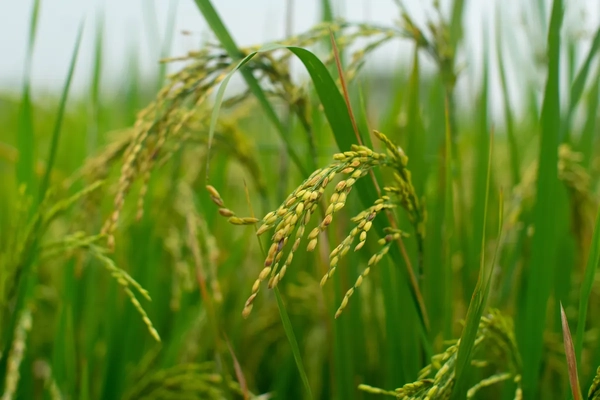
A review warns that over two billion people globally face micronutrient deficiencies, representing a spike of hidden hunger worldwide. Over half of the world’s population was found to lack an adequate supply of vitamins B2, B9, C, and E, as well as minerals such as calcium, iron, and iodine.
Researchers at the German Leibniz Institute of Plant Biochemistry (IPB) point out that hunger impacts over 700 million people globally, but hidden hunger affects all nations, regardless of income level. They warn that by 2050, an additional 239 million people might be deficient in vitamin B9 (folic acid).

They highlight that the 1960s Green Revolution increased agricultural outputs, however, it also led to crops with declining nutritional value. These dwarf varieties of wheat, rice, and corn were disease-resistant and doubled crop yields in Asia, saving over one billion people worldwide from starvation. The researchers point out that modern cooked rice contains the fewest micronutrients of all staple foods, including corn and wheat.
At the same time, the researchers note that modern genetic engineering and CRISPR/Cas technologies enable methods to boost crop nutrients. A recent EU regulatory green pass of new genomic techniques might advance the use of CRISPR in breeding.
According to the researchers, there is a need to combine traditional and modern methods to combat micronutrient deficiencies. They call for continued research funding.
Vitamins for plant resilience
The Nature paper underscores that vitamins are essential for plants as they help in stress resistance, for instance, vitamin B1 increases a plant’s resistance to drought. Vitamins B, C, and E are also known to protect plants from stress caused by drought, salt, and flooding.
 The authors call for a combination of traditional and modern breeding, as they say that none of the available technologies can solve the global micronutrient deficiency alone.The researchers urge a focus on micronutrient content during plant-breeding efforts, as it could result in healthier people and more climate-resilient plants.
Rising CO2 and temperatures are degrading the nutritional quality of crops like rice and leafy greens, heightening risks of malnutrition and chronic disease. Research previously showed that consumer preferences are shifting, as they increasingly reject climate-affected produce unless the price or messaging resonates.
Innovating solutions for crop nutrition, scientists developed an approach by creating a “smart bacterium” that could reprogram crops’ responses to environmental stresses in real time.
Call for a combined approach
The authors call for a combination of traditional and modern breeding, as they say that none of the available technologies can solve the global micronutrient deficiency alone. They suggest that new varieties be developed in laboratories.
In the 1990s, biofortification first came into scientific focus, and since then, over 400 nutrient-enriched varieties have been developed, using conventional breeding methods. For instance, wheat, corn, and beans had increased levels of zinc, provitamin A, or iron.
However, traditional crossbreeding has not been able to achieve the enrichment of other vitamins. They add that although conventional breeding is socially accepted, this faces natural limitations as it only works with existing genetic traits and takes up to eight to 15 years for new varieties to be introduced.
Meanwhile, mutational breeding speeds the development of new plant varieties through mutations in the plant’s genome, explain the researchers. This has been used to produce iron-enriched rice and provitamin A-containing wheat.
This method can result in new variants fast and inexpensively, but it is dependent on chance, as it does not enable specific modification of individual genes. The report authors add that market-ready varieties through this method could be available within eight to 15 years.
Genetic engineering, however, is lauded as the greatest success in biofortification, as seen in the case of Golden Rice, a variety that accumulates provitamin A in its grains. This grain was developed to combat blindness caused by vitamin A deficiency in Far Eastern countries. Since genetically modified plants have strict regulatory approval procedures, the researchers estimate it takes 12 to 16 years for new kinds to be established.
Additionally, the CRISPR/Cas gene-editing system is the most precise option, as it carries the most potential for the future, suggest the researchers. It has been able to produce a rice variety with higher zinc and iron, for instance. However, regulatory strictness for this technology differs per region.
The researchers highlight that this June, the European Parliament adopted an update on New Genomic Techniques, which supports modern breeding methods. CRISPR-edited plants are treated like conventionally bred varieties under this regulation.
“This is a great opportunity to accelerate the development of biofortified crops and effectively combat hidden hunger,” concludes study co-author Mustafa Bulut from the IPB.