




Berkeley’s Healthy Checkout Ordinance cuts candy and soda sales

Key takeaways
- A study has found that Berkeley’s implementation of the Healthy Checkout Ordinance has reduced soda and small-packaged candy sales in stores.
- Healthier checkout options, such as nuts and seeds, gained sales while small-packaged sugary products sales dropped.
- The researchers say the policy, alongside measures such as front-of-pack labeling and beverage taxes, could support healthier purchasing decisions among shoppers.
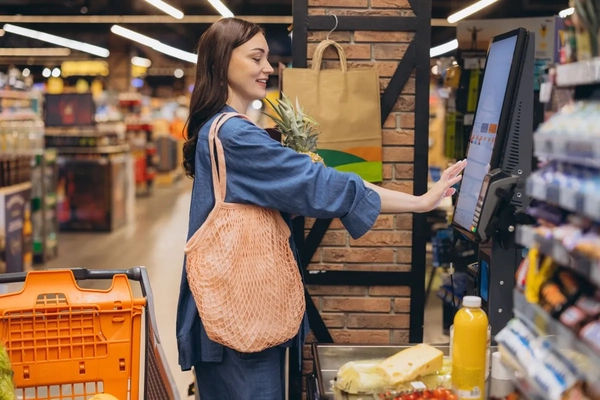
Berkley in California, US, became the first city globally to ban sugary beverages and candies at store checkouts in 2021, enforcing the Healthy Checkout Ordinance (HCO) in 2022. A new study has found that the policy has resulted in a decrease in overall soda and small-packaged candy sales in supermarkets, encouraging shoppers to make healthier purchasing decisions.
The study assessed candy and soda sales in drugstores, mass-market retailers, and supermarkets. It found variations in the changes in sales depending on products and stores, as soda saw a “substantial decrease” after HCO was implemented, while small packaged candy saw a significant decrease in supermarkets.
However, candy sales increased slightly when the policy was implemented in 2021, but did not after enforcement in 2022. The researchers also found an increase in sales of healthy snacks and lower-sugar items such as snack-sized nuts and seeds.

Most compliant, most reduction
Published in The Lancet Public Health, the study found that the highest decrease was seen among supermarkets that complied the most with the HCO policy, showing the biggest decline in sales of these sugary items. Meanwhile, drug stores that complied the least with the policy did not have a reduction in sales of candy or sodas.
Having a high consumption of candy and sugar-sweetened beverages may lead to a wide range of health issues, including diabetes, obesity, cardiovascular disease, and tooth decay, according to the study authors.
 Having a high consumption of candy and sugar-sweetened beverages may lead to a wide range of health issues.They point to the 2025–2030 federal Dietary Guidelines for Americans, which recommends that children below 11 years old should not consume any added sugar. Yet, 60% drink sugar-sweetened beverages without it being a special occasion, according to the Centers for Disease Control and Prevention.
“Through bright lighting, colorful packaging, and eye-level placement, checkout lanes are intentionally designed to draw shoppers’ attention to snacks and beverages with high added sugar,” says study co-lead author Dr. Justin White, associate professor of health law, policy, and management at Boston University School of Public Health, US.
“Our findings suggest that healthy checkout policies can help reduce impulsive purchases and even encourage healthier snack choices, but it is critical for cities to actively enforce these policies if they aim to see meaningful and sustained decreases in sugary product sales.”
Building on previous studies
The researchers note that the study is building on an earlier study that found candy and sugar-sweetened beverages were among the most common items bought in stores’ checkout aisles.
That same previous research also found that the amount of added sugar in foods and beverages placed at the checkout aisle in stores decreased by 70% in the year after implementing the HCO. The latest findings add to this, say the researchers, showing that the policy also impacted consumers’ purchasing decisions.
In the new study, the researchers used retail scanner data from 71 stores in Berkley and compared it with stores in three other cities to assess quarterly sales of candy, soda, water, nuts, and seeds between 2019 and 2023. This was to be able to compare the sales before and after the HCO implementation.
To differentiate between candy in the allocated aisle and at checkout, the team used small-packaged candy in their analysis, as those are the ones usually located at checkout.
 The researchers note that the US FDA is considering making front-of-package labeling mandatory, although a final label design is still to be decided.“The HCO does not prohibit stores from simply relocating sugary drinks and snacks to other areas of the store, or including them in seasonal displays,” says White, emphasizing that stores should consider implementing more comprehensive restrictions on sugary products to decrease total candy sales and achieve maximum public health benefit.
“No single policy alone can address the problems with our food system,” says Dr. Jennifer Falbe, senior and corresponding author of the study and an associate professor of nutrition and human development in the Department of Human Ecology at the College of Agricultural and Environmental Sciences at UC Davis.
“However, expanding healthy checkout policies to cover other prime locations and pairing this policy with evidence-based strategies like mandatory front-of-package labeling, sweetened-beverage excise taxes, and subsidies for healthy foods, could improve diet quality.”
Labeling requirements
The researchers note that the US FDA is considering making front-of-package labeling mandatory, although a final label design is still to be decided.
However, researchers from a recent study called for stronger measures to reduce sugar intake based on their review that found limited effectiveness of front-of-pack food labels in reducing consumption among low-income or socioeconomically-challenged consumers.
Other researchers designed a nutrition label that can better help consumers identify healthier options. The labels carry a simplified design with “high in” printed on product packaging with excess saturated fat, sodium, and added sugar levels, suggesting health risks. Such labels were found more effective than the FDA’s proposed nutrition box, which has been shown to be efficient only for consumers with high nutrition knowledge.