




Kerry on 2026 tasty supplements: Dessert flavors and “swicy” nutrition trends in Asia and Africa

Key takeaways
- The 2026 charts highlight a rise in “Maximalist” profiles, featuring indulgent dessert-inspired stacks and “swicy” (sweet plus heat) combinations.
- A parallel “Simplicity Amplified” trend focuses on natural, less sweet, and ingredient-led profiles like matcha, yuzu, and botanical infusions.
- The “Category Crashers” trend shows supplements blurring lines with traditional food and drink through savory energy bars, café-style profiles, and soda-inspired electrolytes.

Kerry’s latest edition of the Supplements Taste Charts for Asia-Pacific and the Middle East and Africa (APMEA) spotlights how the nutrition industry has responded to evolving regional taste preferences, with new launches of confectionery-inspired product launches and “maximalist” flavor combos like sweet-plus-heat (“swicy”) pre-workout options that are a nod to heritage flavors.
Across APMEA, the company notes supplements are increasingly viewed as part of daily well-being rather than an occasional health support.
Speaking to Nutrition Insight, Catarina Rodrigues, marketing director of Proactive Health, Kerry APMEA, points to a growing demand for healthier, more authentic supplement formats such as offerings with reduced sweetness, which has positioned trending savory energy bars as a “strategic innovation rather than a niche idea.”

“We’re seeing a clear shift toward less sweet, more balanced taste profiles in the APMEA region,” Rodrigues notes. “Kerry’s 2026 Taste Charts show a move toward ‘Simplicity Amplified,’ where consumers are gravitating to flavors that taste more natural, clean, and ingredient-led rather than overly sweet.”
Kerry underscores that while consumers focus on mainstream benefits such as sleep, immunity, digestion, stress management, energy, and emotional balance, taste and texture strongly influence continued purchase and long-term use.
Flavor‑forward, lifestyle‑led supplement trends
Kerry’s research highlights that the global supplements market is projected to reach US$107 billion by 2029, with APMEA continuing to show strong momentum. China, India, Southeast Asia, and the Middle East are driving adoption, supported by rising health awareness, busier lifestyles, and growing interest in personalized nutrition.
 Maximalism has broken out in 2026, fueled by younger consumers who want “bold, layered flavors that deliver high sensory impact.”Much like the rest of the world, shopping preferences are shifting from traditional pills toward more flavor-forward formats such as gummies, chews, drink mixes, dissolving strips, and powder blends. Sports nutrition, in particular, continues to expand beyond athletes to active consumers who expect flavor to match function.
“Consumers across APMEA are demanding more from their proactive health products, not only clinically supported benefits, but also flavors that excite,” says Olivier De Salmiech, VP in Health & Therapies, Kerry APMEA.
“When products taste great, have science-backed benefits, and integrate naturally into everyday life, they become wellness rituals consumers look forward to.”
Flavor also plays a critical role in masking functional bitterness, reinforcing emotional cues, and signaling naturality or efficacy. The analysis goes into detail about major flavor movements that stand out across APMEA.
“Maximalist Flavor”
Maximalism has broken out in 2026, fueled by younger consumers who want “bold, layered flavors that deliver high sensory impact.” This particular trend reinforces “supplements as lifestyle treats rather than functional obligations.”
Dessert‑style profiles, sour intensities, spicy‑accented formats, and flavor stacks like tiramisu passionfruit or brownie chocolate are among the highlighted trends, creating “memorable, intense taste experiences.”
“The Maximalism trend is targeted at younger, adventurous consumers who want indulgent and expressive flavors,” Rodrigues tells us. “These profiles are often used as seasonal or limited-edition launches to generate excitement and social media buzz.”
“However, once the flavor proves successful and gains traction, brands can move them into permanent SKUs. So, it can be treated as a flexible strategy, starting as a limited drop, and then expanding based on market response.”
This theme is evident in launches of extreme-sour or spicy pre‑workouts and multi‑layered profiles in protein shakes.
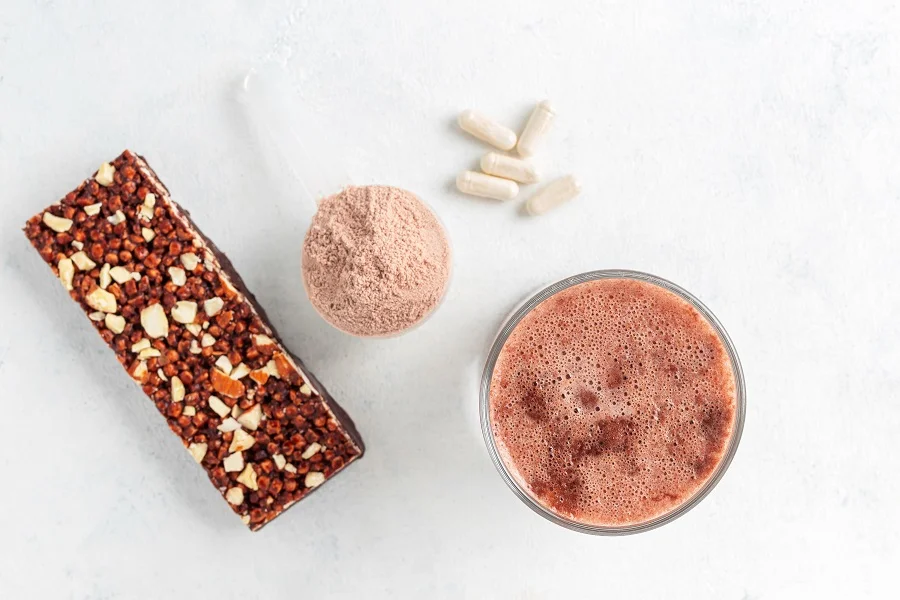 Kerry highlights that while mealtimes blur and routines shift, consumers aren’t sticking to traditional food, beverage, or supplement boundaries.“The ‘swicy’ profile works well in both categories of sports nutrition and daily wellness supplements, but it is particularly strong in sports nutrition,” says Rodrigues.
“In high-intensity formats like pre-workouts and protein blends, bold sweet-plus-heat flavors can create a memorable sensory experience that supports performance positioning. That said, we also see growing acceptance in daily wellness supplements where consumers want more exciting and dynamic taste experiences. Overall, it performs best where sensory impact matters most.”
“Simplicity Amplified”
While flavors lean toward the Maximalist trend, consumers are pulled toward simplicity, transparency, and ingredient authenticity when it comes to the overall product profile.
Kerry says flavors inspired by whole foods, botanicals, fermented notes, and lightly sweet or sour profiles are now considered common signals of “purity and nutrient‑dense simplicity” by APMEA consumers.
“Simplicity Amplified” is seen in refreshing citrus hydration blends, botanically‑infused recovery options, and natural dairy flavors in high‑protein systems.
Popular flavors aligned with this theme include citrus, yuzu, ginger, turmeric, matcha, elderflower, cultured dairy, and yogurt. “These pair naturally with today’s lifestyle-friendly formats where the flavors enhance a product’s perceived health benefits,” details Kerry research.
“Based on broader consumer trend data across APAC, matcha is a strong emerging flavor due to its association with health, energy, and premium positioning. Yuzu/citrus flavors are also growing rapidly, especially in beverages and functional formats. Turmeric remains strong in wellness formats, while date is more region-specific (e.g., Middle East),” Rodrigues elaborates.
“However, the Taste Charts are a trend indicator showing which flavors are emerging or gaining interest, but they don’t quantify which is growing fastest in APMEA.”
“From the supplement taste chart context, yuzu and citrus-inspired flavors are clearly highlighted as rising trends, especially in the region’s functional beverage and supplement space. Turmeric is also strongly trending in wellness due to its health association.”
“Category Crashers”
Kerry highlights that while mealtimes blur and routines shift, consumers aren’t sticking to traditional food, beverage, or supplement boundaries. The “Category Crashers” trend introduces café‑style profiles, soda‑inspired electrolytes, and fruity energy shots.
This theme spotlights the emergence of hybrid products that break the mold, such as savory energy bars, confectionery-inspired supplement formats, and coffee‑infused condiments. These creative formats and unexpected pairings reflect how people eat today.
Danone’s specialized nutrition brand, Nutricia, recently launched its first savory soup-flavored solution in the Fortimel PlantBased range. Along with the launch, Danone underscored the importance of personalized medical nutrition with familiar flavors to help patients adhere to their prescribed plans and support their recovery.