



Global Omega-3 Day: Advances in ocular health and cancer prevention potential


Today’s annual Omega-3 Day spotlights a critical deficiency affecting most of the global population. Sourced mainly from cold-water fatty fish and algae, the nutrient plays a role in a broader conversation about broad gaps in diet quality. The human body does not produce two of the most essential fatty acids, eicosapentaenoic acid (EPA) and docosahexaenoic acid (DHA), on its own, which drives up demand for convenient, clinically backed, and effective solutions.
Nutrition Insight spotlights the latest research developments in omega-3, with insights on new cancer research, ocular health innovations, and global deficiencies from Nordic Naturals, Ocusoft, and the University of Michigan, US.
“Unfortunately, current research shows that more than 80% of Americans aren’t getting enough omega-3s through their diet alone,” Kate Turner, a registered dietician and head of consumer education at supplement brand Nordic Naturals, tells us.

“In a nutshell, we just aren’t consuming enough omega-3-rich foods, whether that’s due to busy lifestyles or dietary preference. For example, people would need to eat 3 oz of salmon — or 76,000 chia seeds — every single day to get a common daily serving of 1,000 mg of EPA and DHA.”
Recent research has shown that higher omega-3 fatty acids in the blood correlate with an approximately 35–40% lower risk of developing early-onset dementia, regardless of genetic predispositions for the disease. Moreover, the full spectrum of omega-3s proved even more beneficial than DHA alone.
Scientists have also found that the vast majority of the global population is not consuming the recommended levels of omega-3s, and many are confused by omega-3 guidelines that differ by country.
“It can be overwhelming for consumers to understand which omega-3 supplement is best for them and how much they should take daily, especially since there isn’t an established Recommended Dietary Allowance for omega-3s.”
“First, it’s always best to start by talking with a physician for their recommendation. Nordic Naturals also features a quiz for customers to take to identify which omega-3 might be right for them.”
Ocular health launch
Omega-3s are expanding into target categories beyond conventional heart health. Ocusoft, a privately held eye care pharmaceutical company, recently launched Retaine Omega Forté, a highly purified omega-3 nutritional supplement specifically formulated to provide superior support for individuals with dry eye symptoms.
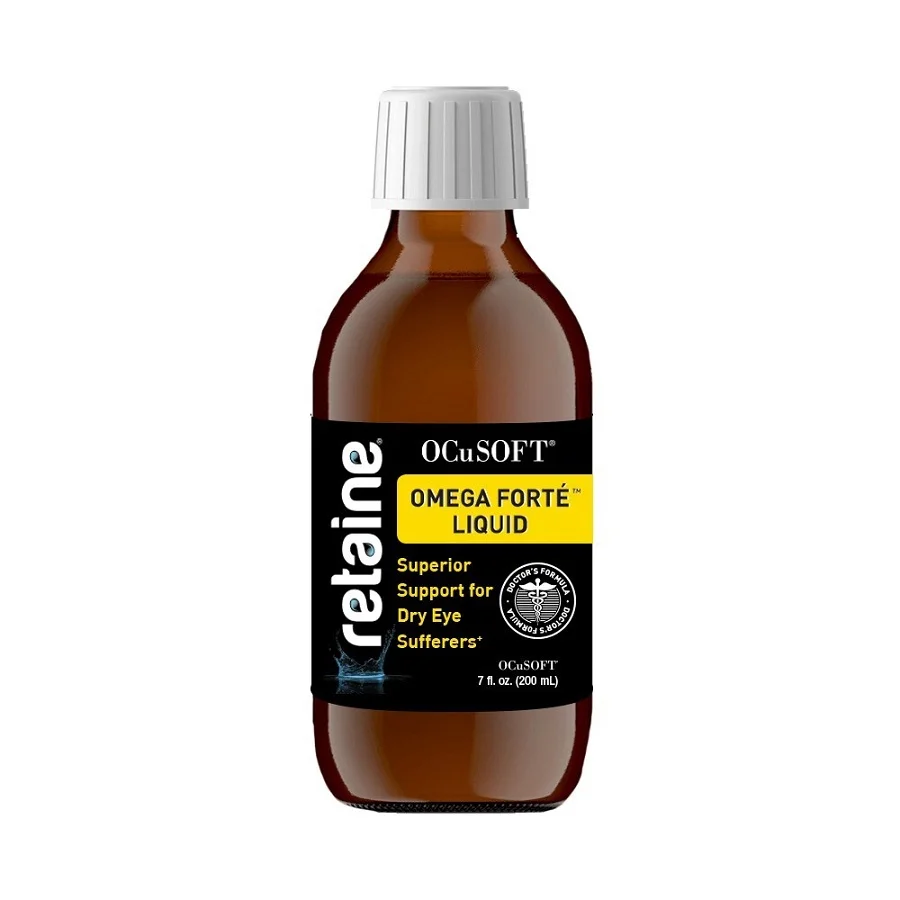 Ocusoft launched Retaine Omega Forté, an omega-3 nutritional supplement specifically formulated to provide superior support for dry eye symptoms (Image credit: Ocusoft).Formulated with patient compliance and clinical performance in mind, Retaine Omega Forté delivers a daily dose of omega-3 essential fatty acids — 2,490 mg of EPA and DHA, plus 405 mg of additional omega-3s.
The product is a convenient, lemon-flavored liquid without a “fishy” aftertaste. It is formulated exclusively with anchovy oil sourced from the cold waters of the Pacific off the coast of South America.
As a key formulation highlight, Retaine Omega Forté utilizes the natural triglyceride form, which studies show is absorbed up to 70% more efficiently than ethyl ester forms.
“Omega-3s have long been recognized for their role in ocular surface health. With Retaine Omega Forté, we’re offering a supplement that not only meets the needs of dry eye sufferers, but also addresses consumer concerns around quality, bioavailability, and taste,” says George Haines, executive VP of Ocusoft.
Role in colon cancer protection
US researchers from the University of Michigan and the University of Texas MD Anderson Cancer Center set out to better understand the mixed evidence around omega-3’s role in lowering cancer risk. Some large clinical trials have suggested fatty acids may offer a protective effect, while others have found no benefit or even a possible increase in cancer rates.
The scientists propose that genetics may play a key role. Writing in Cellular and Molecular Gastroenterology and Hepatology, the scientists identified the gene 15-lipoxygenase-1 (ALOX15) as a crucial factor in whether EPA and DHA can suppress colorectal cancer.
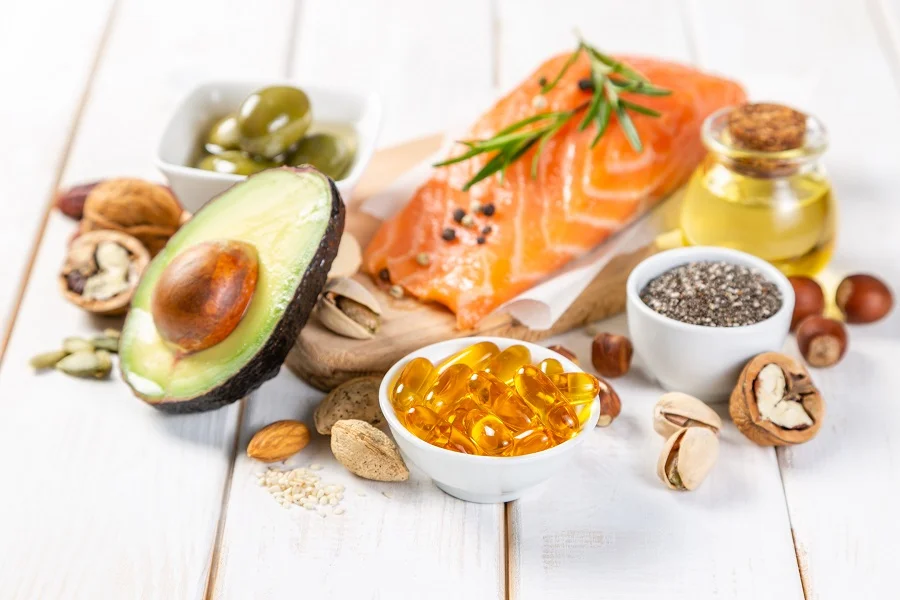 Omega-3s are expanding into target categories beyond conventional heart health, into ocular health and cancer prevention.Comparing mice that were fed a fish oil-enriched diet with mice on a standard diet, they found that fish oil increased the number of colon tumors in mice exposed to chemicals that trigger inflammation and accelerate tumor growth.
They explain that the body regularly converts EPA and DHA into compounds called resolvins. These molecules help reduce chronic inflammation, which can lead to cancer.
This conversion process relies on the enzyme ALOX15. However, several types of cancer occur when this enzyme is switched off. Mice lacking ALOX15 that were given fish oil exhibited a rise in colorectal tumors. However, the researchers note this impact varied depending on which omega-3 fatty acid was used.
Mice fed diets rich in EPA — the anti-inflammatory workhorse of the omega-3 family — developed fewer tumors than those given DHA. In contrast, DHA variants did not prevent tumor growth in ALOX15-deficient mice.
“Not all fish oil supplements are the same,” says Imad Shureiqi, professor of internal medicine at the University of Michigan and a member of Rogel Cancer Center.
“It is also important to ask whether the person who is taking the supplement has the required enzymes to metabolize these products to prevent chronic inflammation and subsequently cancer development.”