




GLP-1 drugs set to impact 2030 European food demand, ING predicts


Key takeaways
- ING predicts that the increasing adoption of GLP-1 medications in Europe will gradually shift food and beverage demand.
- The impact of GLP-1 drugs on food demand by 2030 could range from minimal to transformative, depending on the extent of adoption and the drugs’ long-term effects on calorie intake.
- Companies should prepare by focusing on markets with lower GLP-1 usage, emphasizing nutrient-dense products, and reevaluating marketing strategies.

Although an estimated 12% of US adults use GLP-1s, ING estimates that only 2% of European and UK adults use these medications. The Dutch bank expects this number to grow, resulting in a gradual demand shift in the region’s food market, giving manufacturers time to respond with reformulations and investments in markets with lower GLP-1 use.
ING proposes four scenarios of GLP-1 impact on the food and beverage industry in 2030. These consider the duration of the drugs’ effect on weight and calorie intake — if there is a long-term effect, the analysis team expects governments to be more inclined to expand coverage.
The team also estimated strengths of shifts between categories, varying from GLP-1 consumers “consuming less of everything” to concentrated reductions in only a few categories or products.
In an “Overhyped” scenario, there would only be short-lived effects and limited category shifts. In this case, the analysis expects 3–5% of European adults to use these medications in 2030, which would not require significant changes for food and beverage companies.
Meanwhile, ING also proposes a “Structural reset” where GLP-1 users consume “less of everything,” and governments rapidly expand coverage of these medications. Here, the bank sees GLP-1s becoming a mainstream health and prevention tool, with 15–20% of adults using them in 2030, requiring companies to adapt to structurally lower demand.
ING says this would be the most transformative scenario, which would also result in a strong case for reformulation and nutrient density. The use of GLP-1s could reduce total calorie intake by 2.5–3.5%, as users reduce their daily intake by at least 700 calories.
The “Shock & rebalance” scenario highlights a lower long-term impact of GLP-1s but a concentrated impact on a few food categories with disproportionate volume pressure and opportunities in nutrient-rich alternatives.
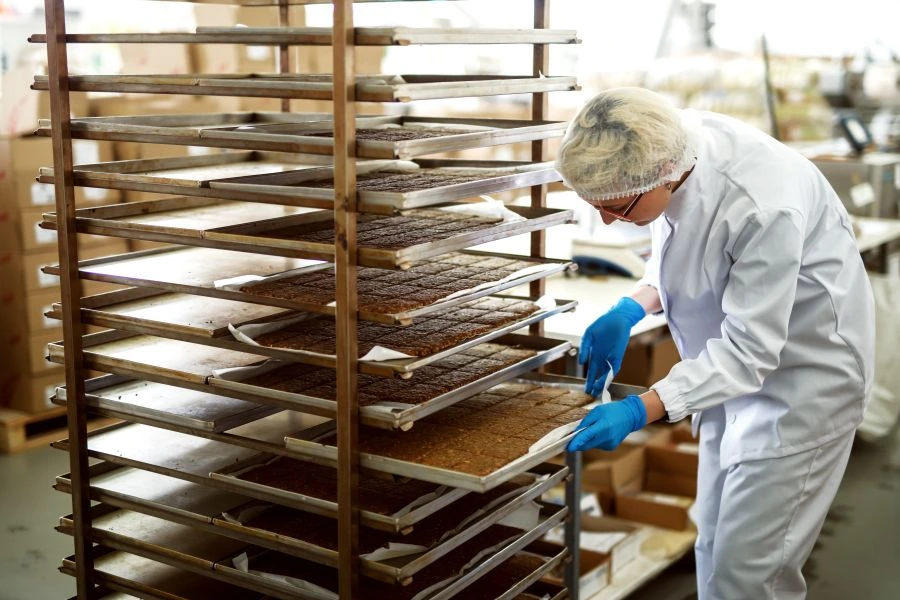 In a “Structural reset” scenario, 15–20% of adults would use GLP-1s, requiring companies to adapt to changed demand with reformulations.In a “Portion control era,” the effects of the medications are durable but not transformative enough to drive a prevention-led health care shift. The industry would need to prioritize smaller portions and reformulation across many food categories.
Growing GLP-1 market
ING’s analysis estimates the 2025 global market for GLP-1s at around US$70 billion, including treatments for diabetes and weight loss. Based on a variety of sources, the report authors project that nine to ten million adults in Europe and the UK use the therapies.
The team forecasts the market to reach US$100 billion in 2027, driven by the growing use of oral GLP-1s in the US and Europe. These formats are expected to have a lower price and “likely higher use.”
In addition, the analysts expect more companies to launch their own drugs and that governments will consider reimbursing costs for more patients if the weight loss is sustainable.
“Considering that revenues doubled for many weight-loss drugs in 2025, the size of the problem and the fact that only 40% of people living with diabetes receive treatment (Novo Nordisk), we estimate that the market will grow by 20% in the next two years. That means it would hit US$100 billion by the end of 2027,” detail the authors.
Impact on food demand
Research indicates that GLP-1 users reduce their calorie intake by 15–20%, the analysts detail. However, due to Europe’s current low number of users, the impact of total calorie demand would be around 0.25%.
Therefore, the ING team does not expect a “massive blow” to demand in 2026–27. However, as there is already little volume growth in the European food market, the team urges not to neglect this impact.
At the same time, the team suggests that food and beverage companies prepare for the increasing adoption of GLP-1s through product, marketing, and geographic shifts in sales markets.
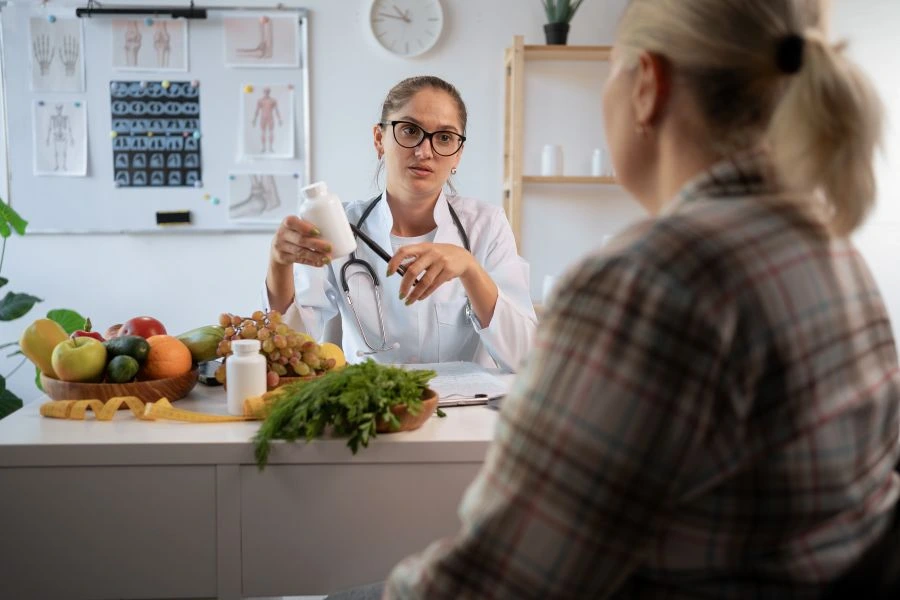 ING forecasts the GLP-1 market to reach US$100 billion in 2027, driven by the growing use of pill versions in the US and Europe.ING highlights product innovation, including reformulation, smaller portions, and premiumization, as an adaptation strategy, offering high-protein and high-fiber options as healthier options.
The analysts highlight brands that redesign marketing strategies to focus on consumers who do not use these therapies, including people who would benefit from these drugs but do not have access, or consumers coming off GLP-1s.
Companies can also increase their focus on markets with lower use of GLP-1s, such as growth markets in Asia, Africa, and Latin America. However, the team cautions that Novo Nordisk’s semaglutide patent is set to expire in countries like China, India, and Brazil, meaning that pharmaceutical companies can offer generic variations that could boost GLP-1 use.
Underlying food system issues
Although GLP-1s support people with obesity and type 2 diabetes, ING underscores that these diseases are “symptoms of a systemic problem” of a food system that is geared toward convenience and overconsumption.
“The impact on food and beverage demand would be more profound if policymakers grasped the GLP-1 opportunity by taking additional steps to steer the food system in a healthier direction by using a combination of prevention measures, increased taxation of unhealthy foods, subsidies for healthier alternatives, and marketing restrictions,” the analysts detail.
The ING team says it doesn’t see European policymakers seizing that opportunity, primarily because such measures are not very popular and often viewed as overprotective.
“Meanwhile, for food and beverage makers, a gradual adaptation strategy will likely be sufficient for 2026 and 2027. Nevertheless, it’s wise to consider more extreme scenarios to avoid surprises a few years from now,” the report concludes.