




GLP-1 discontinuation reveals mixed weight loss results


Key takeaways
- A study shows mixed outcomes after stopping GLP-1 drugs, with many patients regaining weight but others maintaining or continuing to lose, often due to ongoing or alternative treatments.
- Treatment switching was common, with over a third of patients moving to other obesity interventions or restarting medication.
- The findings highlight gaps in long-term obesity care, including the need for nutritional support to address side effects and prevent rebound weight gain.
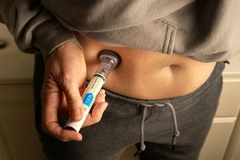
A study has found that 55% of obese people regained weight lost after quitting GLP-1 medication, and so did 45% of diabetic patients. It also found that 45% of obese participants and 56% of the diabetics kept losing weight or stayed the same when coming off the medication.
However, many of those with successful results were still receiving some form of treatment, as some of these participants simply switched between GLP-1 drugs. The study’s results did not account for whether patients were still receiving treatment.
The research team that led the study at the US-based Cleveland Clinic says it is “one of the largest real-world studies to date.”
Hamlet Gasoyan, a researcher at the Cleveland Clinic’s Center for Value-Based Care Research, who led the study, says: “Our real-world data show that many patients who stop semaglutide or tirzepatide restart the medication or transition to another obesity treatment, which may explain why they regain less weight than patients in randomized trials.”
Switching treatments
The study, published in Diabetes, Obesity and Metabolism, included 7,938 patients who were prescribed semaglutide or tirzepatide between January 1, 2021, and December 31, 2023, and discontinued the use three to 12 months later.
 One year post-discontinuation, 35.2% of patients received an alternative obesity treatment.One year post-discontinuation, 35.2% of patients (2,794) received an alternative obesity treatment: 27.4% received another medication, 13.7% received modifications and visits with a health care professional, and 0.6% received metabolic or bariatric surgery.
Meanwhile, 19.6% restarted the same drug. Switching between drugs was also common, as 16.1% switched from tirzepatide to semaglutide, and 18.6% from semaglutide to tirzepatide.
The study did not distinguish between participants who regained lost weight and those who did not.
“Many patients do not give up on their obesity treatment journey, even if they need to stop their initial medication,” says Gasoyan. “In our future work, we will examine the comparative effectiveness of alternative treatment options for obesity in patients who discontinue semaglutide or tirzepatide, to help patients and their clinicians make informed decisions.”
In the obese group, the average body weight lost before discontinuation was 8.4%, with a regain rate of 0.5% one year later. In the diabetic group, there was an average body weight loss of 4.4% before discontinuation, and an additional 1.3% of body weight lost one year later, the study reports.
Limitations and market gap
The study did not distinguish how much weight was regained among those who ended treatment or continued it.
 The study did not distinguish how much weight was regained among those who ended treatment or continued it.To address several of the study’s limitations, future research should examine the comparative effectiveness of treatments for obesity in patients who discontinue their novel GLP-1 receptor agonists (RA) or dual-RA medication, the researchers conclude.
In a recent meta-analysis, UK researchers found that patients who lost weight regained an average of 60% of that weight within one year of stopping GLP-1 medications such as Ozempic and Wegovy. The study comprised a systematic review of existing scientific literature and 48 relevant studies.
“Drugs such as Ozempic and Wegovy act like brakes on our appetite, making us feel full sooner, which means we eat less and therefore lose weight. When people stop taking them, they are essentially taking their foot off the brake, and this can lead to rapid weight regain,” said the author of the UK study.
Additionally, as these weight-loss drugs interfere with hunger cues, they lead users to eat less overall. This has caused experts to urge nutritional guidance to avoid micronutrient inefficiency, loss of lean muscle mass, and other potential long-term health impacts. This need has also prompted the industry to innovate in products to fill the nutrition gap.
Start-ups and established companies are developing products to enhance the effectiveness of these drugs and manage their side effects, such as gut health and reduced food intake, to support overall metabolic health.