


Healthy pregnancy diets cut chemical exposure but may raise pesticide intake, research warns

Key takeaways
- A study found that better adherence to pregnancy dietary guidelines may reduce exposure to some environmental chemicals.
- Researchers measured more than 100 chemicals in urine samples from around 1,500 pregnant women and compared the results with adherence to the US dietary guidelines.
- Higher fruit and vegetable intake may also increase pesticide exposure, prompting calls to include chemical exposure reduction advice in dietary guidelines.

A US study has found that pregnant women following nutritional guidelines may reduce their exposure to many environmental chemicals from food and everyday products. However, the authors warn that following healthy diets high in fruits and vegetables could also increase exposure to pesticides, urging policymakers to include chemical exposure as a factor in dietary guidelines.
Diets expose consumers to environmental chemicals, which may enter foods through farming, processing, packaging, storage, or cooking.
“What we discovered is that following the US dietary guidelines may have two benefits — helping meet pregnancy nutrient needs and offering a way to reduce exposure to many common industrial chemicals,” says Diana Pacyga, Ph.D., assistant professor at the University of Arizona.

The study was funded by the Environmental influences of Child Health Outcomes (ECHO) Program at the National Institute of Health. ECHO recently released research revealing that pregnant women are exposed to 45 environmental chemicals on average. This drove the researchers to investigate how different eating patterns are linked to chemical exposure.
“Lowering exposure to chemicals is particularly important during pregnancy, as earlier ECHO studies have also linked certain chemicals to worse health in mothers and their children,” says co-author of the study Jessie Buckley, Ph.D., professor at the Department of Epidemiology at the University of North Carolina Gillings School of Global Public Health.
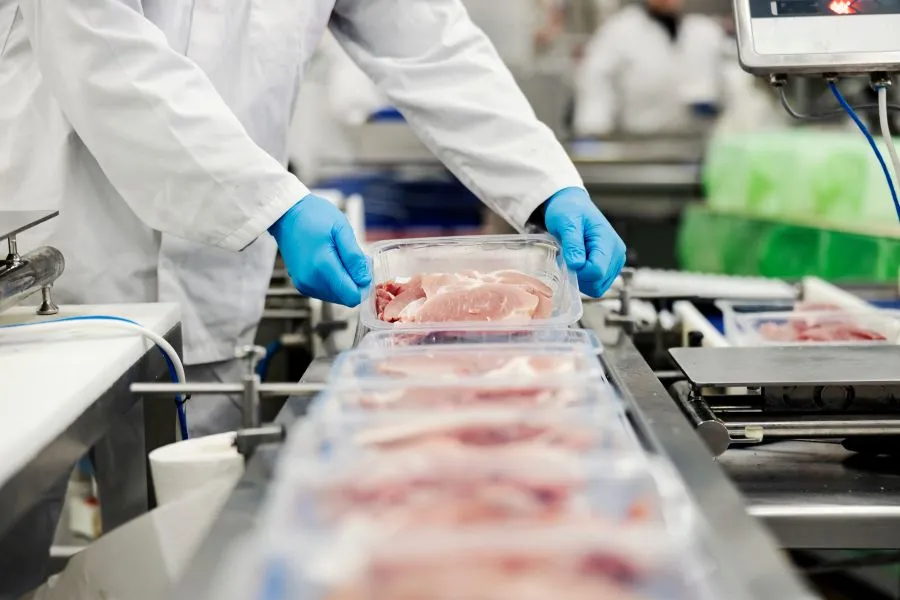 The researchers found that pregnant women who followed the guidelines had lower exposure to some chemicals commonly found in food packaging.Pregnancy diet and chemicals
The study has been published in the American Journal of Clinical Nutrition and included 1,500 pregnant women.
The researchers analyzed diet and chemical exposure and measured over 100 chemicals and urine samples. The samples were then compared to how closely the participant followed the US dietary guidelines for Americans.
The scientists found that pregnant women who followed the guidelines ate higher amounts of lean protein and had lower exposure to chemicals commonly found in food packaging or in byproducts from cooking.
Phthalates, which may leach into food from plastic packaging, were around 13% lower in pregnant women with high-quality diets, the study found.
“Prior research on diet and chemicals has identified specific food sources and broader dietary patterns associated with chemical exposures, but evidence remains restricted to well-studied chemicals. Food monitoring and observational studies indicate that consuming foods that are ultraprocessed — high in saturated fat/added sugar, or packaged in plastic/cans — may increase exposure to phthalates and bisphenols.”
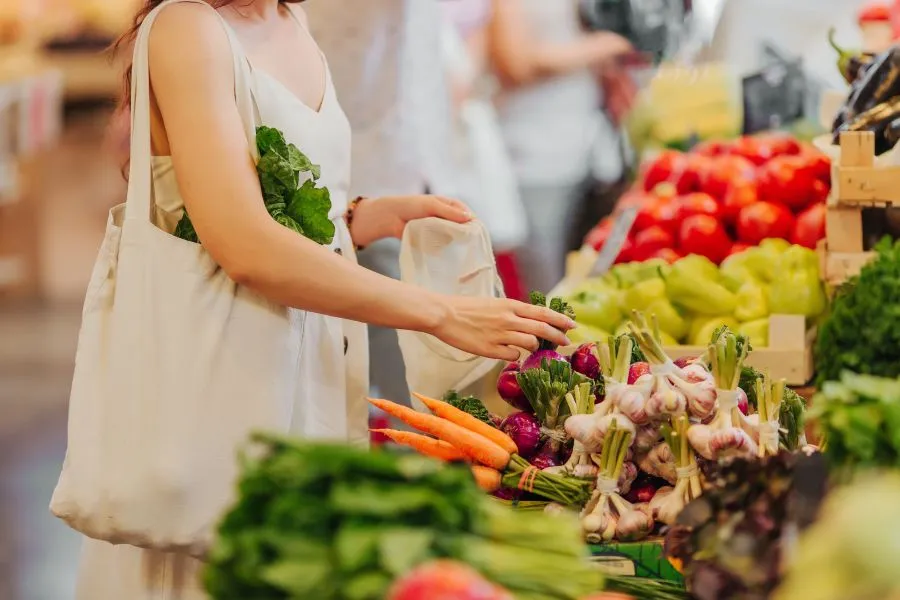 Fruits and vegetables may increase exposure to pesticides, the researchers argue.Exposure to different foods
The authors stress that following the dietary guidelines could also lead to negative effects, as certain fruits and vegetables may increase exposure to pesticides.
Following the guidelines and eating higher amounts of fruit, vegetables, and lean meat protein alongside lower amounts of added sugar was linked to both higher and lower exposure to different environmental chemicals. These findings underscore that dietary chemical exposure is a complex area to study.
“Fresh fruits and vegetables are important for a healthy pregnancy diet, but they can also be a source of pesticides,” says Pacyga. “Buying organic, when possible, and washing or peeling produce may help reduce exposure while still eating these healthy foods.”
In related recent research, scientists found traces of pesticides, antimicrobials, and additives used in plastics and personal care products in human milk samples from Canada and South Africa.
The researchers of the new study argue that following nutritional guidelines is important for a healthy pregnancy, while adding that their recent findings could shape future discussions of how environmental chemical exposure is included in the dietary guidelines.
“A modest revision of the dietary guidelines to include advice on reducing chemical exposures could help protect pregnant women’s health without changing the food recommendations we already know support good nutrition,” says Buckley.