



Performance proteins target GLP-1 users and everyday consumers in new formats

Key takeaways
- Valio, FrieslandCampina, and Roquette develop nutrient-dense dairy and plant proteins for smaller portions.
- GLP-1 users need 1.2–2 g/kg protein daily (around 30 g/meal) to preserve muscle mass while eating less.
- Protein+fiber and protein+prebiotics combos boost satiety, gut health, and muscle synthesis in RTDs, bars, and ready meals.
 (Image credit: Valio).
Consumer demand for protein remains strong, with the performance sector seeing an expansion from athletes to everyday consumers and GLP-1 users. This change is driving innovation in delivery formats such as sodas and nutritionally dense, small on-the-go solutions.
Nutrition Insight speaks with FrieslandCampina Ingredients, Valio, and Roquette about their offerings for new consumer groups who seek more than just protein, as concerns extend to gut and mental health.
Preserving muscles in GLP-1 users
GLP-1 users approximately need 1.2–2 g per kg of protein to preserve lean mass when eating less. Valio and FrieslandCampina Ingredients are adapting their dairy protein solutions to meet these needs, while Roquette offers plant-based proteins to meet GLP-1 consumers’ smaller portion requirements.

“The protein needs of consumers following a GLP-1 diet are significantly higher than average, and we know that intake should be evenly distributed throughout the day, with around 30 g per meal to optimally support muscle protein synthesis,” notes Susanna Lönnblad, business development manager, Valio.
Noting the preference for nutrient-dense servings, Benjamin Voiry, head of Marketing Plant Proteins at Roquette, points out that brands could consider handy formats like snack bars.
“Pea and fava bean protein are a natural fit here; ingredients like our Nutralys pea and fava isolates deliver 85–90% protein content, enabling formulation with high-protein claims with lower overall ingredient volume.”
Meanwhile, Lönnblad sees more consumers turning to milk protein as it is a complete protein containing all essential amino acids and offering the highest Digestible Indispensable Amino Acid Score (DIAAS) for efficient absorption and utilization. This protein quality standard measures digestibility at the end of the small intestine.
Evelien Bikker, marketing manager for Performance and Active Nutrition at FrieslandCampina Ingredients, explains that GLP-1 users need high levels of protein for muscle maintenance and also to reduce the risk of weight regain post-treatment.
“GLP-1 use creates an interesting nutritional paradox: people eat less, but their nutritional needs stay the same — or can even increase.”
“Our approach is to help our customers optimize protein delivery by supporting the development of compact, high-impact products that pack a protein punch in every bite to deliver maximum nutritional value in GLP-1-friendly serving sizes,” says Bikker.
Like FrieslandCampina Ingredients, Valio develops solutions that deliver “more protein per bite” with vitamins and minerals for maximum nutrition, functionality, and satiety using a natural casein-whey balance.
Proteins cater to taste
Lönnblad points out the importance of flavor, as taste perceptions are impacted by GLP-1s, which is why clean, fresh-tasting milk-based solutions are suited to user needs.
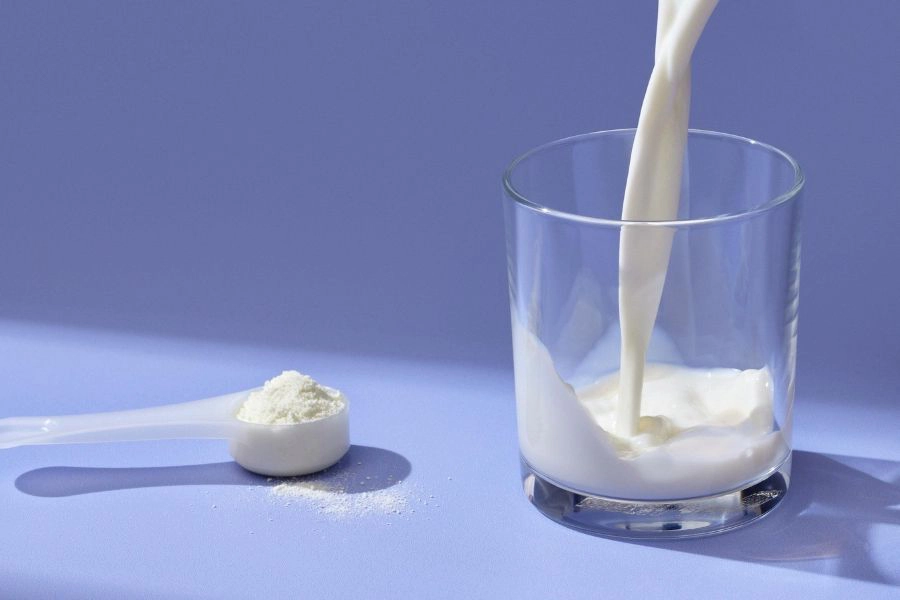 GLP-1 users face muscle loss risk — high-protein dairy and pea solutions pack nutrition into smaller bites (Image credit: Valio).Bikker adds that nutrition brands should use the strengths of dairy proteins, as whey proteins are rapidly delivered and efficient for absorption in smaller nutrient-rich formats.
“Casein protein, by contrast, digests more slowly, providing a sustained release of amino acids that can help support satiety and ongoing muscle protein synthesis during longer periods between meals.”
She adds that FrieslandCampina Ingredients’ whey protein and caseinates enable the development of products without compromising taste and texture.
Roquette’s Voiry adds: “The likes of specific pea protein references can help brands combine soft, appealing bar textures with long shelf life.”
Pairing protein with fiber
According to Voiry, functional pairing of nutrients can enable brands to meet the active consumer’s needs, who increasingly seek multifunctional products.
“Soluble fibers are among the most effective partners for protein, supporting sustained energy release and digestive wellness without compromising taste. Specialty low-glycemic index (GI) starches also support steady, prolonged energy release throughout the day, pairing with protein and fiber in low-GI recovery powder shakes.”
“Combinations like this create a synergistic formulation stack for solutions that address muscle repair, hydration, satiety, and digestive wellness in a single product — a meaningful upgrade on straightforward protein supplementation,” he says.
Furthermore, Voiry believes that the opportunity goes beyond performance products to everyday health, such as fiber-enriched bars and cookies to support gut health in familiar snacking formats.
“This broadens the addressable market considerably by creating new opportunities for brands to engage health-conscious consumers beyond training days and traditional performance segments.”
Protein and probiotic combo
Bikker at FrieslandCampina Ingredients observes that sports nutrition is shifting, where gym and track performance needs extend to the mind as the active consumer learns that they are closely linked.
 Benjamin Voiry, head of Marketing Plant Proteins at Roquette.“We see protein+ as key to this evolution. Protein may now be baseline, but the real momentum lies in powerful protein combinations that deliver functionality and broader physiological benefits. One of the most compelling combinations is protein with prebiotics, providing support for the emerging concept of the gut–muscle axis.”
Additionally, she notes evidence of a balanced gut microbiome helping the body make better use of protein, supporting muscle maintenance and building. At the same time, regular muscle activity can benefit gut health, revealing a two-way relationship.
“Pairing high-quality protein with prebiotic fibers can therefore help deliver dual benefits: supporting muscle maintenance while supporting a balanced microbiome.”
Bikker spotlights the company’s Fermentis ingredient, which combines whey protein, prebiotic galactooligosaccharides (GOS), and postbiotic cultures. “This creates a dynamic solution that goes beyond basic protein delivery — enhancing muscle recovery and supporting a balanced gut microbiome.”
Protein with lactose-free benefits
Valio’s Lönnblad says that milk protein paired with lactose-free benefits is a powerful claim combination, solving two strong consumer needs for more protein and better digestive comfort.
“Protein has truly gone mainstream — it is no longer a differentiator but a baseline expectation. What consumers are now looking for is how that protein makes them feel: better digestion, sustained energy, satiety, and overall well-being.”
“This is why the most compelling ready-to-drink (RTD) and snacks are no longer built around a single hero ingredient but around smart functional pairings. The ongoing gut health boom is one of the biggest drivers behind this shift, as consumers increasingly seek both digestive comfort and metabolic health.”
She adds that in performance dairy, lactose-free claims are moving from niche to a mainstream signal of gut-friendly products.
Everyday consumer and premium meals
Roquette’s Voiry believes the protein soda trend is a signal of performance nutrition migrating away from the gym and into everyday life. Protein sodas were made possible by advances in highly soluble, dispersible plant proteins that do not affect the drinking experience.
Nutrient-dense protein bars and RTDs can help GLP-1 consumers maintain lean mass with protein-fiber synergy (Image credit: Valio).“But the more significant shift is contextual. Consumers are seeking hydration and nutrition during work, commuting, and gaming, not just intense exercise. These micro-occasions demand formats that work harder. RTD formats that combine protein with carbohydrate-electrolyte solutions are well placed to serve this need, supplementing hydration with performance benefits for consumers who are active in a broader sense.”
“At the center of this is the rise of the ‘everyday performer’ — a consumer looking for convenient, nutrient-dense formats that support stamina, focus, and recovery throughout daily life, not just post-workout,” he explains.
In the near future, Voiry sees the demand for convenient, high-protein products as driving growth for on-the-go meals. As a result, he expects performance protein to go beyond sports drinks and into mainstream occasions.
Lönnblad of Valio echoes Voiry, noting interesting opportunities in ready meals. “As consumers become more health-conscious and attentive to nutrient density, protein-forward positioning can help reposition ready meals from purely convenient options to more balanced, premium choices.”
“This is especially relevant as the broader conversation around GLP-1, high protein, and nutritional quality is influencing not only users but also wider consumer expectations across categories,” she says.
Maximizing functionality with taste
FrieslandCampina Ingredients’ Bikker explains that clear protein drinks and protein sodas became popular last year because they fit people’s lives and are quick, convenient, and refreshing.
“But protein is just the start — the question becomes, how can it be applied for maximum functional impact?”
“Consumers want recovery support, but in formats that slot effortlessly into daily life. So, the opportunity lies in new formats beyond just traditional shakes or powders. RTD protein beverages remain a strong growth category.”
She continues: “From protein-enhanced waters and sparkling protein drinks to café lattes with added protein, these RTDs are transforming how consumers fuel recovery.”
Bikker adds that the protein bar category will remain at the core, yet it has seen changes, moving beyond gym fuel into indulgent yet nutritious formats for everyday consumers.
“R&D isn’t just about higher protein numbers — it’s about taste, texture, and experience,” she says, which has inspired snacks, such as Dubai chocolate pistachio bars, attracting new consumers.
Valio expects protein to continue trending across categories, especially on-the-go functional beverages and better-for-you snacks.
“At the same time, protein is rapidly moving into more traditional indulgence categories such as ice cream, desserts, and baked goods — chilled desserts in particular have seen some of the fastest growth in milk protein-based launches in recent years,” says Lönnblad.