




Fi Europe 2026: Beneo champions fiber diversity and pitches GLP-1-friendly snacks

Key takeaways
- At Fi Europe 2026, Beneo calls for a shift from “fibermaxxing” or quantity to “fibermixxing,” which emphasizes fiber diversity for broader health benefits.
- The company says that GLP-1 medications and changing eating habits are driving demand for smaller, nutrient-dense snacks rich in protein and fiber.
- Beneo is showcasing product concepts that combine fiber enrichment, sugar reduction, and functional benefits without compromising taste or texture.
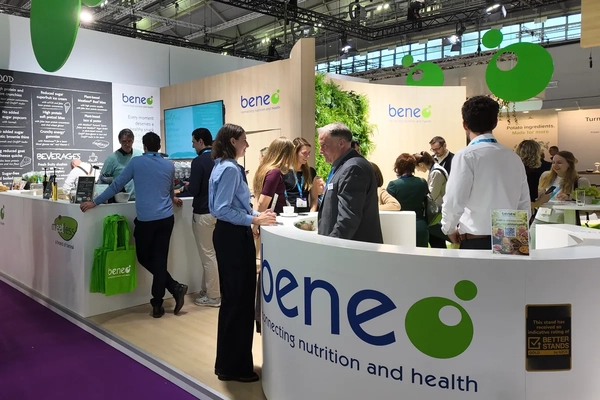
With the “fibermaxxing” trend gaining traction among consumers, Beneo urges a shift toward what it calls “fibermixxing,” emphasizing variety over quantity for wider health benefits. At Food Ingredients (Fi) Europe 2026, the company highlights how fiber diversity can support digestive and metabolic health.
Beneo also notes that GLP-1-friendly nutrition is creating opportunities for nutrient-dense snacks with more value per bite. The company is showcasing snack options that combine different fiber types and protein in smaller portions.
“Up until now, fiber has had a bit of an image problem,” Karel Thurman, portfolio director at Beneo, tells Nutrition Insight.
“While the fiber gap has been a recognized issue for decades now and nutrition recommendations from leading organizations like the WHO are clearly defined, fiber has suffered from a somewhat old-fashioned and dull image — and wasn’t getting the attention it deserves.”

However, he says that the tide is turning, with many European consumers now interested in fiber. “The viral ‘fibermaxxing’ social media trend has helped drive this shift, repositioning fiber as a modern, sought-after, and relevant ingredient,” he notes.
“Alongside the social media hype, fiber has also benefited from the growing gut health as well as weight management and GLP-1 trends, with fiber and protein considered key ingredients for nutrient-dense foods aimed at weight- and health-conscious consumers. Together, these trends are driving further consumer interest in fiber-enriched food and beverages.”
“We expect this to gain even more traction in the years ahead as consumer awareness of fiber and the importance of fiber diversity continues to grow with the focus evolving from ‘fibermaxxing’ to ‘fibermixxing.’”
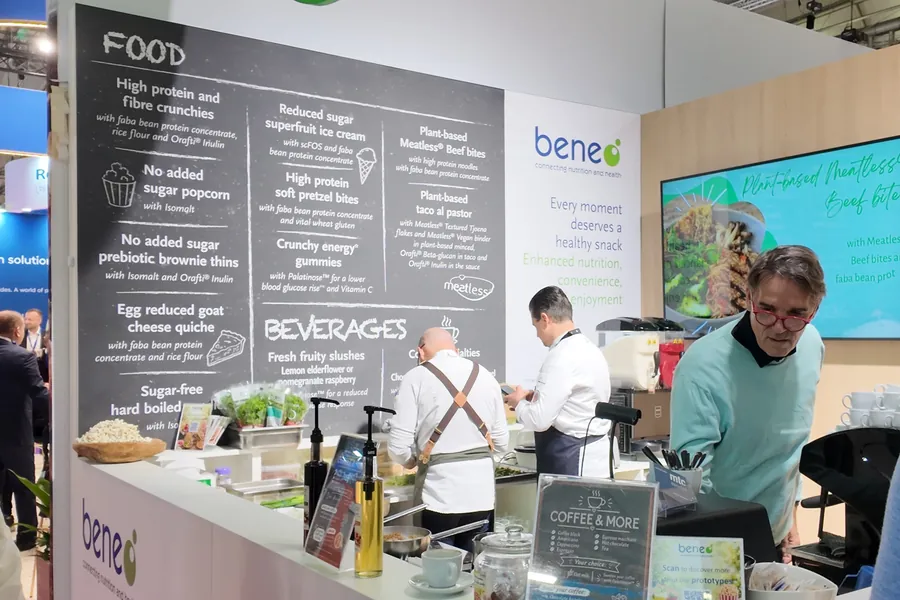 At Fi Europe, Beneo is highlighting how snacks are evolving into purposeful “micro-meals,” driven by changing eating habits.Thurman says that this is an “important next step” for fiber, moving from just consuming more of the nutrient to also including a greater variety of fibers. He notes that different fiber types can provide different physiological benefits. “It’s about fiber quality and diversity, not just quantity.”
GLP-1s drive healthier snacks
At Fi Europe, Beneo is highlighting how snacks are evolving into purposeful “micro-meals,” driven by changing eating habits, including those associated with the use of GLP-1 medications and a growing focus on nutrient density and satiety.
Thurman says that GLP-1 therapies are reshaping weight management by reducing food intake and increasing focus on satiety and metabolic health, with their influence extending beyond active users into the wider market.
“Because GLP-1 users often experience reduced appetite, there is growing demand for smaller portions that deliver a high nutritional value. With that in mind, snacking products are the perfect fit to cater for this need, and functional ingredients have an important role to play here.”
For example, he notes that proteins are key for consumers on a weight-loss diet, while fibers and prebiotics help to address the fiber gap resulting from lower food intake. He adds that slow-release carbohydrates, such as Beneo’s Palatinose, can provide sustained energy and support blood sugar management, as well as offering additional benefits, such as hydration.
“As lifestyles become busier and eating habits more flexible, snacks are increasingly bridging the gap between traditional meals,” says Thurman.
Citing data from Innova Market Insights’ 2026 Snacking Survey, he adds that three in four European consumers now snack at least once a day, while many, particularly among younger generations, are replacing meals with snacks.
“However, as snacks evolve from quick hunger fixes into purposeful ‘micro-meals,’ they must deliver on nutritional value, sensory enjoyment, and emotional reward, reflecting consumers’ growing expectations of every snacking occasion.”
 Thurman says that the “fibermaxxing” social media trend has repositioned fiber as a modern, sought-after, and relevant ingredient.Moreover, as consumers are looking for healthier options among indulgent foods and drinks, Thurman says manufacturers have a “clear opportunity” to improve the nutritional value of popular snacking products.
More value per bite
Beneo is presenting four snack concepts at Fi Europe 2026 that Thurman says demonstrate how manufacturers can respond to a shift toward healthier snacks and turn everyday snacking occasions into more purposeful moments.
“By combining Beneo ingredients, such as faba bean protein, chicory root fibers, and sugar replacers, manufacturers can create snacks that deliver more ‘value per bite,’ bringing together an improved nutritional profile, lasting satisfaction, and great taste.”
High-protein soft pretzel bites are made with faba bean protein concentrate and wheat protein to show how manufacturers can extend the use of plant-based proteins beyond traditional sports nutrition for a “more substantial snack between meals,” says the company.
Beneo is also presenting crispy, no-added-sugar brownie thins made with the sugar replacer isomalt and the company’s Orafti Inulin chicory root ingredient for a high-fiber indulgent snack.
In the savory category, the company is showcasing a Meatless plant-based Taco al Pastor with Meatless Textured High Protein Tjoena (TTHP). This Meatless TTHP-based minced meat provides 18% plant protein, with a neutral taste, unique bite, and juicy texture. It also contains added fiber through Orafti β-Fit and Orafti highly soluble inulin (HSI).
Lastly, the savory coated high-protein snack concept combines faba bean protein concentrate, Orafti Inulin chicory root fiber, and rice flour, for a high-fiber and high-protein snack with a light and crispy texture.
Alternative energy formats
In addition to a consumer demand for reduced-sugar products, Thurman also observes a growing interest in functional benefits and energy support. Although caffeine is still a familiar solution to combat fatigue, he notes that consumers increasingly expect it to be delivered in new and convenient formats.
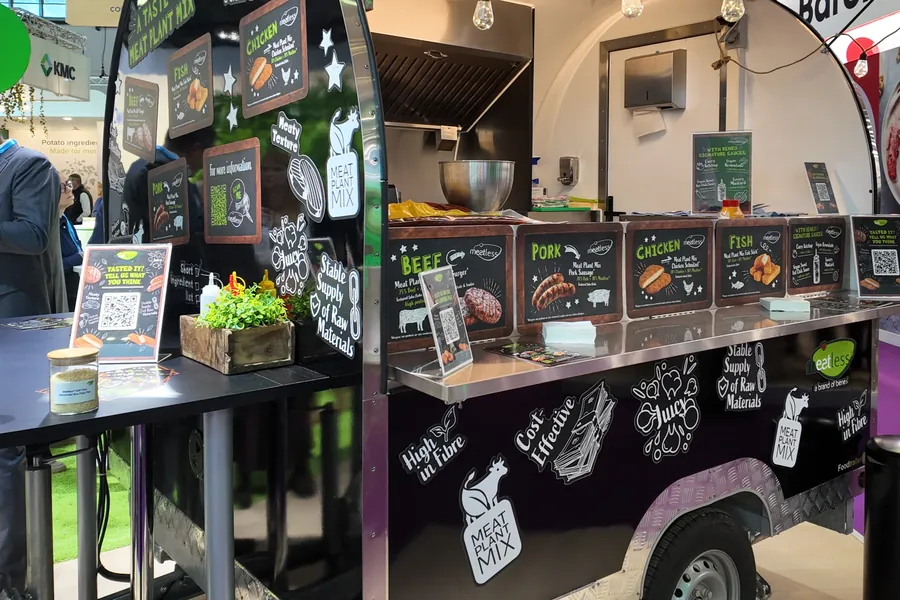 The Meatless TTHP-based minced meat provides 18% plant protein, with a neutral taste and juicy texture, which also contains added fiber.He says that this is driving interest in alternative energy formats beyond beverages. For example, he highlights Innova Market Insights’ 2025 Health and Nutrition Survey, which found that almost two in five consumers globally say they need snacks for energy during the day.
“Confectionery is a feasible and appealing solution for that, reflecting a broader shift toward functional snacks that combine enjoyment with tangible performance benefits,” says Thurman.
“As a result, functionality is becoming increasingly central, with confectionery evolving into convenient, on-the-go formats that deliver added value beyond enjoyment. This includes products that offer practical benefits such as a caffeine boost or more mindful, portion-controlled indulgence, enabling consumers to integrate treats more seamlessly into their daily routines.”
Thurman points to Beneo’s Sweets Box as an example. These concepts, which the company launched in June 2026, included energy gummies with added vitamin C.
Thurman explains that these gummies support a more sustained energy release as they are formulated with slow-release carbohydrates, such as Palatinose, which are digested more slowly and help maintain more stable blood sugar levels and focus throughout the day.
Overcoming formulation challenges
Food reformulations reducing sugar or adding fiber, while keeping a palatable format, can encounter specific challenges, cautions Thurman.
“Sugar reduction is not a straightforward process as it is not only about replicating sweetness and taste, but also texture and color,” he explains. “Therefore, ingredients that replace sugar must at least bring the same characteristics in a food matrix as sugar or be accompanied by other ingredients that do.”
“A case in point is Beneo’s isomalt. It is the only sugar replacer derived from sugar beet and has a sugar-like taste and mild sweetening profile similar to sucrose, but with half the calories. Isomalt is particularly well suited for hard-boiled candies, helping to create clear, glossy, and non-sticky products that maintain their quality over time.”
Thurman says isomalt can be used for bulking and texturizing in baked goods and as a solution to reduce or replace sugars in applications such as soft baked goods, such as cakes, muffins, biscuits, puff pastry, and bakery fillings.
 Thurman says that functionality is becoming increasingly central, with confectionery evolving into convenient, on-the-go formats that deliver added value.In addition to its wide-ranging functional properties, he notes that it allows for a European Food Safety Authority (EFSA) approved health claim. When isomalt replaces 30% of the sugar, EFSA notes the ingredient can support a reduction of post-prandial glycemic response.
“Alongside this, the ‘fibermaxxing’ trend is driving further interest in fiber enrichment and digestive health,” Thurman adds. “As a result, use of functional ingredients for sugar reduction is evolving to cater for the rise in consumers looking for additional benefits, such as using prebiotic fibers to support a healthy gut or adding different types of fiber to deliver ‘fiber diversity.’”
He highlights Beneo’s clean-label prebiotic chicory root fibers and short-chain fructooligosaccharide, a fiber produced from beet sugar, as an option for manufacturers to go beyond sugar reduction alone to support fiber enrichment too.
What’s next?
Fiber has moved into the spotlight as consumer interest in the macronutrient continues to grow, says Thurman.
“While trends such as fibermaxxing are increasingly encouraging consumers to increase their fiber intake, we see this developing in the years ahead with focus on building a more sophisticated understanding of fiber diversity and the complementary benefits different fiber types can offer.”
Moreover, he spots an opportunity for manufacturers to develop products that combine scientifically supported fibers in realistic amounts to help consumers close the fiber gap by shifting the conversation from “fibermaxxing” to “fibermixxing.”
Additionally, Thurman says this focus on diversity can deliver broader benefits in digestive and metabolic health, along with overall well-being.
“This also means looking beyond fiber enrichment and digestive health alone,” he suggests. “Beta-glucans, for example, add another dimension to fiber diversity, with established benefits including cholesterol management and support for heart health.”
“Ultimately, focusing on the right mix of fibers, rather than quantity alone, offers a more effective and sustainable approach to supporting long-term health,” Thurman concludes.