


Danone signs Children First Declaration, targets childhood anemia with global iron program

Key takeaways
- Danone has joined more than 50 countries and organizations in signing the Children First Declaration to prioritize children’s well-being by 2045.
- Danone is scaling its “Iron Up!” campaign to combat childhood iron deficiency anemia through early screening and nutritional partnerships.
- The Child Summit also launched the Child Priority Framework and the Action Hub for Children to coordinate public-private collaborations and track best practices.

Danone has signed the Children First Declaration, alongside more than 50 countries, seven international organizations, and 20 NGOs, philanthropies, and businesses pledging to place children’s well-being at the center of their policies, programs, and activities.
Danone is the only global food and nutrition company among the founding private-sector signatories of the declaration.
The Paris Peace Forum organized the joint initiative and launched it during a high-level session at its first Child Summit hosted on November 10 in Paris, France. The Child Summit was aimed at “[setting] a precedent for children just like the 1992 Earth Summit did for climate.”
“Childhood is the starting point for any political initiative. It is through childhood that peace and hope for tomorrow are built; and it is childhood that stands on the front lines of crises, natural disasters, epidemics, and climate change,” says French President Emmanuel Macron.

Danone’s nutrition-forward approach
Covering the most basic needs, such as protecting children from preventable diseases and ensuring they have nutritious food, the joint declaration sets out the priorities that it says “will shape a safe and fair future for today's children and the next generation.”
Danone says its first contribution to the initiative is its “Iron Up!” campaign, a global program addressing iron deficiency anemia through awareness, earlier screening, and partnerships.
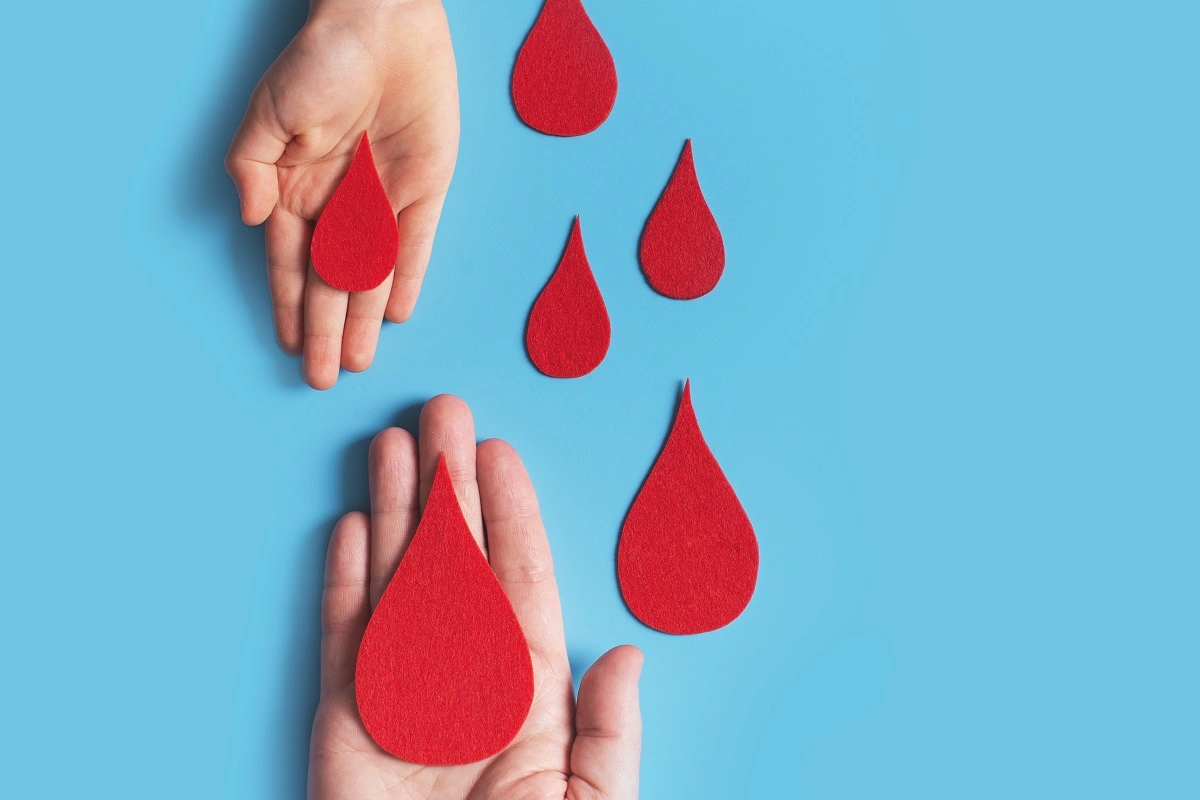 Danone leads the Iron Up! campaign as part of its commitments. The global program addresses iron deficiency anemia through awareness, earlier screening, and partnerships.
The company kicked off “Iron Up!” in June 2025 to combat iron deficiency in children. It named iron deficiency as the leading cause of anemia, a condition it reported affects more than 40% of children under five globally.
As part of the “Iron Up!” campaign, Danone is also expanding access to its own nutritional products for young children, including formula milks containing IronBiotics, its proprietary ingredient technology, which the company says improves iron absorption.
Despite its prevalence, Danone flags that iron deficiency anemia often remains undetected and undertreated due to low awareness of its symptoms and causes, insufficient screening, and suboptimal nutrition.
The signatories of the Children First Declaration have agreed to expand their efforts across five pillars (health, nutrition, education, protection, and psychosocial well-being in the digital age) to reach tangible results by 2045.
“Today’s summit reminds us that investing in children is both a moral obligation and a powerful choice for the future. This important declaration aligns well with UNICEF’s core priorities for protecting children. We are thrilled to see so many leaders reaffirm this commitment,” says Catherine Russell, executive director at UNICEF.
Bridging public and private actions
In addition to the joint declaration, the Child Summit also spearheaded two initiatives to help stakeholders advance their shared goals: a toolbox outlining indicators and best practices (the “Child Priority Framework”) and a platform aiming to bridge the private and public sectors in collaborations (the “Action Hub for Children”).
According to the Paris Peace Forum, these initiatives aim to encourage a range of actors, from local and national authorities to international organizations and the private sector, to coordinate technology-backed actions to invest in children’s rights and well-being and keep them safe.
Participating nutrition-forward organizations include the Access to Nutrition Initiative, which evaluates and benchmarks global food and beverage manufacturers on nutrition practices; Stronger Foundations for Nutrition, a coalition focused on improving global nutrition outcomes; and Helen Keller International, a nonprofit focused on preventing malnutrition and vitamin deficiencies in vulnerable populations.
Other signatories include UNICEF, World Food Programme, the WHO, the International Committee of the Red Cross, and the UN High Commissioner for Refugees.