




Scientists unveil International Food Guide Pyramid drawing on seven dietary guidelines

Key takeaways
- A team has created an International Food Guide Pyramid, bringing together dietary guidelines from seven countries and regions, plus more than 250 publications.
- The pyramid prioritizes plant foods, unsaturated fats, and carbohydrate quality over red and processed meats, refined grains, and sugary drinks.
- It is designed to adapt to local staples, aligns with the EAT-Lancet Planetary Health Diet, and calls for supportive food policies.
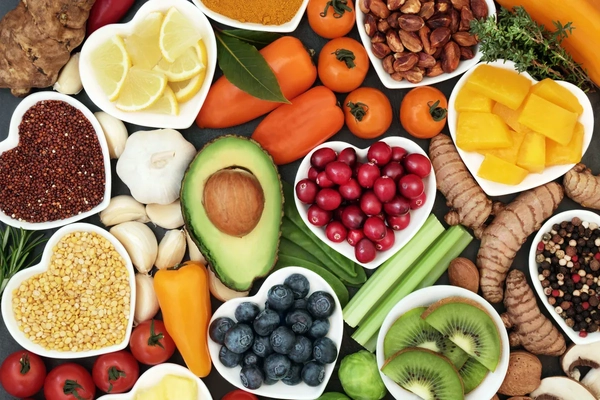
A team of global scientists has created an International Food Guide Pyramid that brings together dietary guidelines from various countries to bridge nutrition advice across cultures.
The pyramid advocates prioritizing plant foods, choosing healthier fats and protein sources over red and processed meats, and emphasizing the quality of carbohydrates through whole grains.
The lead researcher, Dr. Karen Della Corte, a nutritional scientist from Brigham Young University in the US, says that the pyramid reflects broad scientific consensus and is adaptable to different dietary preferences, including vegetarian and vegan options, without excluding animal foods.
The pyramid, published in Advances in Nutrition, also factors in environmental concerns by aligning with the EAT-Lancet Planetary Health Diet, the researchers add.

Lastly, the guide calls for improved nutrition environments and policies to encourage healthier eating habits.
Converging science and environmental concerns
Della Corte and the International Carbohydrate Quality Consortium compared national and regional dietary guidelines from Canada, Germany, Australia, China, the Netherlands, the US, and the Nordic countries. They also drew on evidence from more than 250 scientific publications. The authors reported no funding received for this study.
“Despite what people often hear, there’s actually substantial agreement in nutrition science about the foundations of healthy eating,” says Della Corte. “We wanted to bring those shared principles together and translate an extensive body of scientific evidence into a coherent and practical food guide pyramid.”
 The pyramid advocates prioritizing plant foods, healthier fats and protein, and quality of carbohydrates.Meanwhile, David Jenkins of the University of Toronto, Canada, who co-developed the glycemic index, says: “Our diet has to be not only for our own health but also for the health of our planet. Our science base has to be appropriately comprehensive to include that.”
In its latest update, the EAT-Lancet Commission suggested that the Planetary Health Diet could prevent approximately 15 million premature deaths each year while reducing the environmental impacts of livestock farming and greenhouse gas emissions from food production.
Nutrition guidance
The pyramid encourages replacing saturated fats, such as butter, cream, and fatty meats, with unsaturated fats, such as plant oils, which Della Corte says can improve long-term cardiovascular health.
“Not all carbohydrates are created equal,” she also stresses, noting that their quality depends on fiber content, processing, food structure, and glycemic index. The pyramid recommends limiting refined grains and sugary sodas, as they affect blood glucose levels more rapidly.
“For both health and sustainability reasons, carbohydrate-rich foods should provide a substantial share of our energy, so their quality is particularly important,” says Anette Buyken, professor at Paderborn University in Germany.
“Alongside sugar and fiber content, we should consider how these foods affect blood glucose, as reflected by their glycemic index, especially because many people worldwide are insulin resistant and therefore at increased risk of type 2 diabetes.”
Della Corte notes that sugar’s health effects vary by source, with sugary drinks carrying greater risks than sugars in other foods.
Carbohydrate quality and source
Della Corte adds that people’s diets should focus on the source of carbohydrates, rather than prioritizing the amount consumed. The guide urges consumers to choose the highest-quality carbohydrate source available, noting that locally available staples can be healthy options.
 Della Corte and 22 nutrition scientists around the world developed the new food pyramid.“A healthy diet won’t look exactly the same for everyone around the world,” says Della Corte. “Durum pasta, basmati rice, tortillas, rice noodles, bulgur, and many other staples with a low to moderate glycemic index can all fit into a healthy diet. People can follow the same underlying principles using traditional foods that are locally available, affordable, and culturally appropriate for them.”
“When you’re designing a meal, start by thinking about the plant foods you want to emphasize. What vegetables, whole or lower-glycemic index grains, beans, or lentils, could you include?”
Applying the food pyramid
To apply the food pyramid’s principles, Della Corte first suggests choosing beans, peas, lentils, fish, poultry, or yogurt more often than red and processed meats without making these the largest part of the meal.
Healthier snacks, such as nuts, seeds, fruit, or vegetables with hummus, are better than less nutritious processed snacks, she adds. Moreover, she recommends whole-grain bread over refined white bread and whole-grain or high-fiber cereals over refined, puffed, flaked, or popped cereals.
Della Corte also recommends replacing animal fats with canola or olive oil and choosing water or sugar-free sparkling water over sugary sodas.
“We need food environments that make it easy to put the pyramid’s recommendations into practice,” adds Buyken. “Knowing what is healthy and being motivated to eat healthily is not enough when these choices are difficult or expensive. Nutrition policies need to support this through measures on food marketing, access, and prices.”
Della Corte hopes the research will contribute to improving human health and make scientific knowledge more accessible.