




California signs health bills for non-UPF labels and bans weight-loss supplement sales for teens


Key takeaways
- California Governor Gavin Newsom has signed bills to improve healthy food access, tackling UPFs and making healthy options more visible.
- It also includes banning the sale of unprescribed weight-loss and muscle-building supplements to people under 18 who might be harmed by these products.
- The measures reflect actions on food labeling and supplement regulations at the state level, amid ongoing debate over federal oversight and industry responsibilities.

California’s Governor, Gavin Newsom, has signed multiple bills to help consumers better access and identify nutritious products, including non-ultra-processed foods (UPFs), reducing high-sugar content, and banning the sale of weight-loss supplements for people under 18 without a prescription.
He argues that the focus should be on preventative care rather than sick care, through actions toward healthy food.
The signed bills include moves to make healthy foods easier to find in supermarkets with front-of-package labels for non-UPFs, so consumers can find them easily in the store. Another bill suggests requiring chain restaurants to serve at least one meal on the menu for children that meets nutrition standards, including high-sugar information about drinks on the menu.
Another bill signed — keeping harmful substances out of reach for children — bans the sale of non-prescribed over-the-counter diet pills or dietary supplements for weight loss for people aged below 18.
The governor argues that non-prescribed, medically unapproved weight loss drugs or muscle-building products may have harmful effects and cause eating disorders among adolescents. He says that the adolescents using these drugs are six times more likely to be diagnosed with an eating disorder within three years compared to non-users.
This ban has been met with criticism from the Council of Responsible Nutrition (CRN), while being welcomed by the Center for Science in the Public Interest (CSPI).
“Today, Newsom signed historic public health legislation banning the sale of certain over-the-counter supplements to minors, showing how states continue to lead the way on public health policy to protect consumers from unsafe products and provide access to healthy choices,” says CSPI regulatory counsel Jensen Jose.
Meanwhile, the CRN expressed “deep disappointment” with the governor signing the bill, noting that it had warned throughout the legislative process that the “law’s overly broad approach could create unnecessary barriers to lawful products, confuse consumers, and leave responsible businesses facing uncertainty about which supplements fall within its restrictions.”
Sparking debate
Steve Mister, CEO of CRN, says the signing of the bill is a deeply disappointing outcome for consumers and responsible businesses, and a “missed opportunity” for California to pursue a more thoughtful approach.
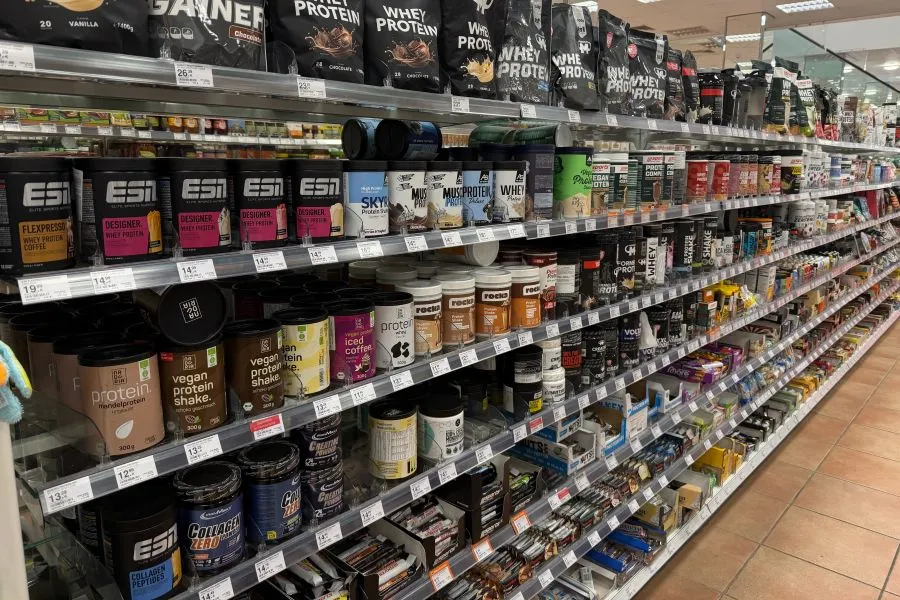 The CRN warns that the bill could affect dietary supplements such as fiber, protein, general wellness products, and multivitamins.“Protecting young people from eating disorders is an important objective that we share. But that objective deserves policies grounded in evidence, not broad restrictions that cast suspicion on lawful products without establishing that those restrictions will address the problem,” he says.
Furthermore, CRN expresses concerns that stretch beyond products promoted especially for weight loss, arguing that the law allows courts to consider statements and images that imply these effects and claims about health, metabolism, and strength.
It also criticizes that these products would be affected by where they are positioned or grouped in stores and online. The CRN explicitly warns that this could affect dietary supplements such as fiber, protein, general wellness products, and multivitamins.
On the contrary, the CSPI advocates banning the sale of weight loss and muscle-building supplements for children and teenagers.
“Manufacturers of these products often prey on kids and teens with deceptive claims that lack any scientific evidence. Some of the ingredients used in these supplements are far from harmless, with risks including liver damage, hospitalization, and death. California now joins the state of New York, which similarly banned such supplement sales to minors in 2023,” says the CSPI.
Federal levels
The CSPI says that this move also puts attention on “inaction at a federal level,” as states are individually responsible for tackling these issues. It asserts that the US FDA has “failed to protect children from harmful supplements.”
It explains that the FDA has failed to propose rules for pre-market approval for food substances considered generally recognized as safe (GRAS). The government watchdog has also not released a proposed definition of UPFs, nor made it a requirement for front-of-package warning labels for foods high in sodium, saturated fats, or added sugars.
The CRN is suggesting another approach, arguing that rather than relying on product labeling, advertising, and placement, policymakers should establish health justifications when restricting sales of products.
“We did not simply object to this legislation. We pressed for a better, more defensible approach,” says Mister. “Our position has been consistent: identify the actual risk and address it directly. Responsible companies should not have to navigate an uncertain boundary between ordinary nutrition claims and age-restricted products, and consumers should not be left to assume that a sales restriction is proof a product is unsafe.”
Beyond supplements
The bills signed go beyond supplement regulation and also target food causing health harms, such as UPFs, which have been previously linked to cancer, cardiovascular disease, type 2 diabetes, metabolic disorders, reproductive harm, and other chronic conditions, says the governor.
 Last year, California became the first state to officially define UPFs and set a deadline for when they need to be phased out of schools.Last year, California became the first state to officially define UPFs and set a deadline for when they need to be phased out of schools.
Assemblymember Jesse Gabriel says: “While Washington D.C. is paralyzed by inaction, Republicans and Democrats in California are joining forces to empower consumers to avoid harmful UPFs.”
“Like the US Department of Agriculture Organic label, this new seal will provide consumers with clear, trustworthy information and make it easier for them to locate healthier foods that are free from harmful additives.”
He concludes that parents shouldn’t need a Ph.D. in chemistry to understand what they’re feeding their kids. “California began this movement three years ago by banning the most dangerous food additives, and with Newsom’s continued leadership, we are taking another big step forward today.”




Upcoming webinars

Pure love deserves a pure start: Solutions that give the best start from day one
dsm-firmenich

Magnesium bisglycinate in focus: why full chelation matters
Jungbunzlauer

Bifidobacteria and Healthy Ageing: New Insights into Ageing and Immunity
Morinaga