



One in six US children on GLP-1s develops nutritional deficiencies, study finds


Key takeaways
- In a study, nearly 17% of US children on GLP-1s developed a nutritional deficit or related complication within a year, the most common ones being vitamin D deficiency and iron-deficiency anemia.
- Less than 25% of young patients received nutritional counseling within six months of starting treatment despite critical developmental risks.
- Experts urge combining GLP-1 prescriptions with high-protein diets, supplements, and resistance training to safeguard growing adolescents.

A new US study warns of the risk of nutritional deficiencies among children prescribed GLP-1 medications for weight loss, prediabetes, or type 2 diabetes. Looking at a cohort of 2,031 children aged 10 to 17, researchers found deficiencies were diagnosed in nearly one in six patients within their first year on prescription.
Vitamin D deficiency and iron-deficiency anemia were the most common conditions diagnosed in that first year.
“As appropriate pediatric use of GLP-1s becomes more widespread, we need to understand the risks during periods of rapid growth and pubertal development,” says senior author Justin Ryder, Ph.D., vice chair of Research for the Department of Surgery at Ann & Robert H. Lurie Children’s Hospital of Chicago, and associate professor of Surgery and Pediatrics at Northwestern University Feinberg School of Medicine.
“Nutrients such as vitamin D, iron, and calcium are of particular concern during adolescence, when deficiencies may have lasting implications for skeletal health and overall development.”
The researchers caution that, unlike adults, children undergoing GLP-1-induced weight loss risk disruptions to linear growth, pubertal timing, bone mineralization, and lean body mass development.
Ryder urges that nutritional support needs to play a “critical role” once a GLP-1 medication is administered. “In our study, however, we found that only 5% of patients received nutritional counseling within 30 days of GLP-1 treatment and 23.3% received nutritional counseling within six months.”
The study authors say that this underutilization may stem from a lack of registered dietitian nutritionists, lack of insurance coverage, or patient preference.
Patient data of over 100 million
The Childhood Obesity study analyzed national administrative claims data between 2017 and 2022, covering over 100 million patients.
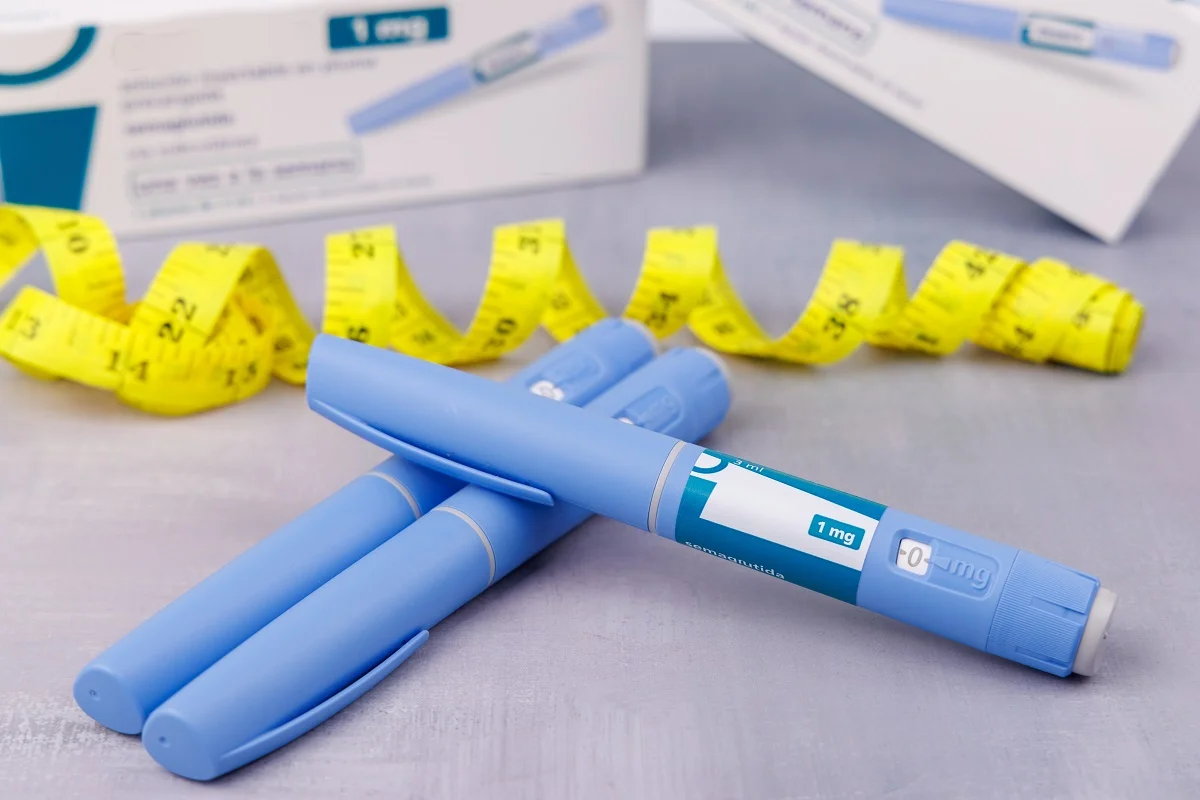 Vitamin D deficiency and iron-deficiency anemia were the most common conditions diagnosed in the first year of children prescribed GLP-1 medication.The researchers identified 2,031 GLP-1 users aged 10–17 years who were continuously enrolled in a health plan for at least six months before receiving a GLP-1 prescription and who had no previous diagnosis of nutritional deficiencies.
Recent research has found that the number of US children aged below 12 years old who are prescribed GLP-1 weight-loss drugs such as Wegovy, Zepbound, and Saxenda has increased by 310 times from 2019 to June 2026.
Despite this rapid expansion, authors of the current study underscore critical knowledge gaps around their nutritional deficiencies. They highlight that adolescents with obesity already have lower baseline intake of protein, iron, and vitamin D than those who are not obese.
Deficiencies surge after first year
In this sample, the most prescribed GLP-1 medications were liraglutide (78.6%), dulaglutide (10.4%), and semaglutide (9.1%). Because the study examined data through 2022, the authors say it largely reflects practice patterns prior to the US FDA approval and widespread adoption of semaglutide for adolescents aged 12 to 17.
One year after taking the first prescription, 16.8% of pediatric patients were diagnosed with at least one nutritional deficiency or related complication, increasing from 10.2% at 180 days. By comparison, previous adult studies cited in the paper showed a 22.4% deficiency rate at 12 months.
Also within the first year, 12.4% of pediatric patients were diagnosed with vitamin D deficiency, which the researchers say is the most common nutrient deficit, while 1.55% were diagnosed with nutritional anemia.
The authors emphasize several limitations to their findings. The first is that their reliance on administrative claims data — due to a lack of routine screening guidelines — may underestimate true deficiency rates by missing out on subclinical, undiagnosed deficiencies.
Additionally, the descriptive study design shows association rather than direct causation between GLP-1 use and deficiencies.
“We hope that our study findings bring much needed recognition to the importance of proactive nutritional management when GLP-1s are prescribed to children, as opposed to waiting until a nutritional deficiency is diagnosed,” Ryder says.
While not directly specifying these areas in the study, the authors encourage supporting GLP-1 therapy through high-protein diets, oral nutritional supplements, and resistance training to preserve lean mass.
“Knowing the risks, we are in a much better position to prevent harm to children treated with GLP-1s during a pivotal period in their lives.”
Nutrition Insight previously spoke to industry suppliers to examine the gaps in GLP-1 nutrition that clinical trials are not tracking. FrieslandCampina Ingredients, Probi, Roquette, and HTBA explained what opportunities lie ahead for formulators developing complementary solutions for GLP-1 users.