
Nutrition industry shifts menopause support from symptom relief to holistic solutions


Key takeaways
- Brands are shifting menopause support from isolated symptom relief to holistic solutions that address mood, energy, cognition, sleep, bone health, and cardiovascular resilience.
- Consumer demand is rising for science-backed, non-hormonal products, with earlier recognition of perimenopause now driving interest before symptoms become disruptive.
- SAMe and probiotic- or microbiome-linked approaches are gaining attention as part of more personalized menopause support.

With consumers becoming more knowledgeable about the symptoms of menopausal transitions, brands have an opportunity to support women’s health during these phases with targeted, evidence-backed solutions.
Nutrition Insight identifies the key consumer needs driving menopause support and how they are evolving with Gnosis by Lesaffre, Lallemand Health Solutions, and Lallemand Bio-Ingredients.
Silvia Pisoni, global operational marketing director, spotlights Gnosis by Lesaffre’s 2026 Consumer Insights survey of women in France, China, and the US, which found that midlife health places focus on endurance — to move despite hormonal changes impacting energy, cognition, and mood.

“In midlife, hormonal changes are rarely recognized immediately. Instead, these new feelings and symptoms are often absorbed into a broader narrative of ‘just getting older.’ As an example, one of our female respondents, aged 51, described how juggling work and her older children’s college and activities is making her aware of how these changes are affecting her physical and mental health.”
“Also, during a woman’s midlife, focus shifts toward stabilizing control, and this is the sweet spot for product development aimed at menopausal women: disruption patterns become unpredictable and visible, and women start seeking control and predictability, not just relief.”
Major turning points
Gnosis by Lesaffre’s research has also found that women consistently describe three types of turning points: physical, emotional, and cognitive.
 Women are increasingly seeking science-backed, non-hormonal support across menopause stages.“On the first point, health changes can interfere with daily routines, for example, intense sweating during a professional meeting or mobility-limiting pain. Noticeable factors are joint pain affecting movement, digestive disruption, fatigue, and low energy that impede daily activities, and vaginal dysbiosis (such as Candida overgrowth),” says Pisoni.
Emotional impacts, such as irritability, anxiety, or being overwhelmed, can feel identity-altering instead of situational, she adds. Symptoms reported include persistent stress, irritability, anxiety spikes, and erratic mood shifts.
On cognitive impacts, forgetfulness or brain fog can harm women’s professional or personal lives. “Noticeable factors are memory lapses, loss of professional perspicacity, and difficulty sustaining mental clarity under pressure,” shares Pisoni.
“In midlife, supplement and health-support decision-making follow a different pattern than in younger adulthood. What many women describe as the ‘Hidden Years’ begins as early as the late 30s. Subtle symptoms appear: mood fluctuations, irritability, sleep disturbances, and brain fog, which are often explained away as stress.”
She explains that eventually these symptoms heighten to the point of disruption — something that the women in the survey have described. This culmination brings awareness of their health, and women begin searching for information to experiment with supplements.
“A 46-year-old respondent stated: ‘Menopause influenced how I think about my health and wellness by being more proactive,’” shares Pisoni. “Also noteworthy is that consumers are increasingly seeking multi-level, holistic solutions that support mood, energy, and cognitive well-being, rather than focusing solely on isolated symptoms.”
“In that way, SAMe (S-adenosylmethionine) is gaining increased attention as a non-hormonal support for women during menopause, targeting overall quality of life rather than a single symptom,” she adds.
Consumer need for lasting support
Life-stage solutions for women’s health are increasingly shaping consumer needs as they learn how hormonal, metabolic, and microbiome-related needs change from perimenopause through postmenopause, says Elodie Aragon, product manager of Women’s Health at Lallemand Health Solutions.
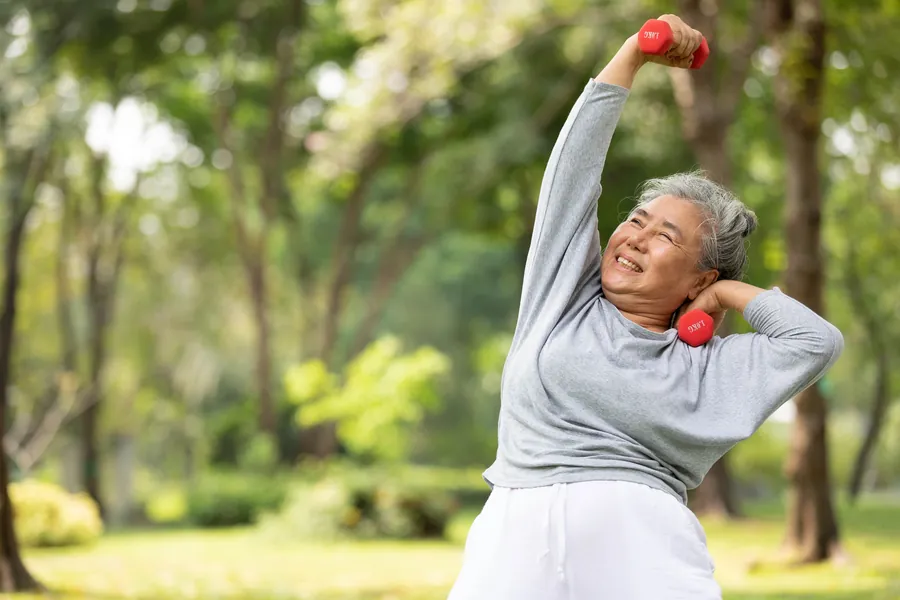 Menopause support is moving toward holistic solutions for mood, energy, and cognition.“During perimenopause, women are seeking solutions to support sleep quality, mood, cognitive clarity, and energy as hormone levels fluctuate.”
“The menopause transition itself is marked by vasomotor symptoms, vaginal dryness, and emotional variability linked to declining estrogen, while postmenopause brings a stronger focus on long-term resilience, including bone, cardiovascular, and urogenital health.”
She continues explaining that there is a growing demand for science-based non-hormonal solutions across all stages. Consumers are seeking supplements that support quality of life while addressing underlying physiological changes, instead of seeking short-term relief alone.
Attention on menopausal transition
Consumers are becoming more aware of menopause, seeking to recognize their symptoms earlier, and demanding evidence-based solutions, notes Marcia da Silva Pinto, category manager at Lallemand Bio-Ingredients.
“For many years, menopause remained a taboo topic, with limited public discussion and insufficient guidance from health care professionals. This is now changing rapidly. The rise of mainstream conversation, particularly on social media, has significantly increased awareness, enabling women to better recognize and articulate their symptoms.”
“A key shift is the growing attention on menopausal transition — also previously known as perimenopause — where early and often nonspecific symptoms have historically been overlooked or dismissed. Women are now seeking solutions earlier in their journey, rather than waiting for postmenopausal support.”
Da Silva Pinto adds that an increase in access to information has resulted in higher expectations and more discernment for science-backed products. Consumers are also seeking more personalized solutions to treat specific symptoms and support them through life stages.
As a result, they seek out brands that meet these demands, which also show commitment to women’s health, beyond trend-driven positioning, she adds. “Overall, the market is moving from generalized ‘menopause support’ toward personalized, credible, and lifecycle-oriented approaches.”
Industry offerings
In related reports, Nutrition Insight recently spoke with Sirio Europe, which is focusing on menopause products that deliver natural, non-hormonal support for hot flashes, bones, sleep, mood, and energy. The company focuses on delivery format innovations while using supportive ingredients, such as soy isoflavones and evening primrose oil.
Meanwhile, ProBiotix Health told us that women seek long-term health beyond menopause symptom support. It also backs clinically backed ingredients like isoflavones, evening primrose oil, and probiotic strain LPLDL, which are gaining traction among the 1.2 billion women entering menopause by 2030.
AB-Biotics also shared the importance of non-hormonal solutions, such as probiotic formulations, to support women’s estrobolome to help maintain estrogen levels and support vaginal microbiome health.