




AB-Biotics’ probiotic blends target women’s estrobolome for menopausal support

Key takeaways
- AB-Biotics is targeting menopause support with natural, hormone-free probiotic blends that aim to support hormonal balance, mood, sleep, and intimate health.
- The company’s estrobolome-focused strains are backed by clinical studies showing they may help maintain estrogen levels and support vaginal microbiome health.
- AB-Biotics says longer, larger human studies are still needed before menopause probiotics can move from wellness claims to more trusted mainstream solutions.
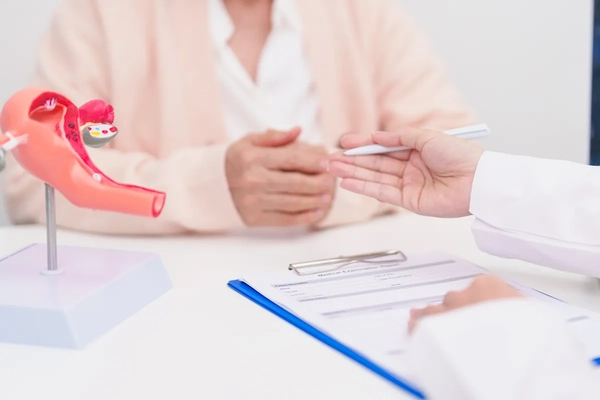
Expanded menopause science has long been overdue, and with growing attention to this aspect of women’s lifestage driving demand for credible, non-hormonal support, the gut health sector is providing solutions.
Nutrition Insight speaks with Miquel Bonachera, co-founder at AB-Biotics, to learn about the biggest consumer needs in the menopause market and the company’s trending probiotic formulation approaches.
He also discusses how menopause supplement innovation can move from wellness to more trusted solutions while sharing how the company offers credibility to consumers through a multi-symptom approach.
What are the biggest consumer needs driving menopause support now, and how are they changing?
Bonachera: We’re seeing growing demand for natural, hormone-free menopause support that addresses symptoms more holistically. Consumers are increasingly looking beyond symptom masking and instead seeking solutions that support hormonal balance, mood, sleep, metabolic health, and intimate well-being simultaneously.

This broader, whole-body approach is also driving strong growth in probiotics for women’s health, which saw an impressive year-over-year increase in 2025. The opportunity for brands is significant, with research suggesting that many peri- and postmenopausal women are interested in how probiotics may help support menopause symptoms.
Clinical evidence is now also key — consumers want more convenient formats and science-backed solutions with clear mechanisms of action, rather than broad wellness claims. For AB-Biotics, this is driving innovation around precision probiotic solutions that target specific menopause-related needs, from hormonal changes to vaginal microbiome balance and healthy aging.
Which formulation approaches are gaining the most traction for menopause products?
Bonachera: We’re seeing growing traction for targeted probiotic formulations designed to support the estrobolome — the collection of gut microbes involved in estrogen metabolism. This reflects broader consumer interest in hormone-free solutions that work with the body’s natural pathways rather than replacing hormones directly.
 AB-Biotics is using precision probiotics to support hormone balance and menopause wellness.Our probiotic blend for menopause support, commercially known as Gyntima Menopause, consists of Levilactobacillus brevis KABP 052, Lactiplantibacillus plantarum KABP 051, and Pediococcus acidilactici KABP 021. The blend has shown potential to support hormone balance through slowing down estrogen decline in healthy peri- and postmenopausal women.
A recent clinical study investigated the blend’s ability to modulate serum estrogen levels through β-glucuronidase enzyme activity, which plays a role in estrogen recycling within the body. After 12 weeks of supplementation, estrogen levels — measured through estrone and estradiol — were significantly better maintained in the Gyntima Menopause group compared with placebo, where levels declined significantly.
We’re also seeing increased interest in probiotics targeting vaginal and intimate health. Lactobacillus gasseri KABP 064, used in Gyntima Balance, was shown to colonize the vaginal tract following oral supplementation in 55.9% of healthy women in a randomized placebo-controlled trial, highlighting the potential for convenient oral approaches to vaginal microbiome support.
How are you balancing efficacy, safety, and credibility in a category where consumers often want natural solutions?
Bonachera: Balancing efficacy, safety, and credibility starts with precision and robust clinical validation. Consumers increasingly want natural, non-hormonal solutions, but they also expect measurable outcomes and strong scientific substantiation. That’s why we focus on probiotics with clearly defined mechanisms of action rather than broad microbiome claims. Every effect is strain-specific, so robust screening, in vitro testing, and human clinical studies are essential to demonstrate both efficacy and safety. Our menopause-focused solutions, for example, are supported by randomized, placebo-controlled clinical studies examining outcomes such as estrogen modulation and the solution’s ability to alleviate menopausal symptoms and enhance health-related quality of life.
 Clinical studies are driving interest in estrobolome-targeted probiotic solutions for women.Convenience is also becoming a much more important factor in women’s health choices, particularly during menopause, when many consumers are already managing multiple symptoms and supplements at once. Women are ever more seeking solutions that can fit easily into their daily routines without compromising efficacy. This is one reason oral probiotic formats are gaining traction, especially for intimate health support, as they offer a less invasive, more consumer-friendly alternative while still delivering targeted benefits when backed by the right strains and human clinical data.
What evidence is missing to help menopause products transition from wellness claims to trusted solutions?
Bonachera: The industry still needs longer-term clinical studies on a bigger scale that connect microbiome modulation with meaningful standardized endpoints for menopause outcomes. While interest in the gut-estrogen axis and female microbiome is growing rapidly, many studies remain relatively small or focus on short-term biomarkers rather than real-world quality-of-life measures. At AB-Biotics, we currently have two new studies in progress, exploring Gyntima Menopause’s effects on menopausal symptoms and quality of life in over 1,000 women.
There is also a need for more isolated strain research. In the probiotic space, efficacy cannot be generalized across species or categories. Individual strains must be clinically validated for specific outcomes and for mechanistic links, which is what AB-Biotics specializes in. This is especially important in menopause, where symptoms and microbiome changes vary significantly between women and across life stages. As the science continues to evolve, we expect precision probiotics backed by strong clinical evidence to move increasingly from niche wellness products into more established women’s health solutions.
Nutrition Insight recently explored the menopause market and consumer needs with ProBiotix Health. The company underscored growing research outlining cardiovascular disease as a leading cause of death in postmenopausal women, suggesting the need for targeted support around cardiovascular, metabolic, bone, and cognitive health.