


Women In Nutraceuticals: Trust and traceability key to stronger India–US botanical ties

Key takeaways
- WIN says that stronger India–US collaboration hinges on credible information and trust across the supply chain.
- WIN says India must move up the value chain through science, traceability, and consistent standards to become a trusted partner.
- AI is noted to grow in nutraceutical research and formulation, while stressing that human validation remains essential.

The upcoming Bharat Nutraverse Expo 2026 (Sept 7–9) in India is calling for great East-West collaboration in nutraceuticals. Present at the event, the US-based Women In Nutraceuticals (WIN) discusses the India–US economic potential and what is needed to strengthen it, alongside women’s essential role in the industry and the influence of AI on the sector.
Nutrition Insight previously explored the event’s ambition to drive India’s nutraceutical market up to US$100 billion by shifting from a raw material supply hub to a science-backed solution provider. Additionally, the executive director of Shellac & Forest Products Export Promotion Council (SHEFEXIL) told us that emerging Ayurvedic botanicals like guduchi, kutki, Indian pennywort, and amla have global potential with growing clinical validation.

Speaking with us, WIN co-founder and president Heather Granato, who is also founder and president of Nutrachievement, advocates for gender equality and investments for women. Additionally, Silvi Siddhu, WIN regional ambassador, Asia-Pacific, and SVP at Ujala Life Sciences, tells us that India has the potential to grow from a manufacturing hub to a trusted partner.
 Granato points to an India–US opportunity to build a global ecosystem that focuses on science, regulatory compliance, and new ingredients.They both emphasize transparency, quality control, and consistent delivery of information for building trust with international buyers.
What does better India–US collaboration require?
Granato: There’s such an opportunity to build a global ecosystem that focuses on science, regulatory compliance, and new ingredients. There has been an interest in this area for decades, with many companies bringing to market unique ingredients that draw on Ayurvedic tradition, married with new technologies and scientific research. Now, as US consumers become more familiar with and interested in natural remedies, India has the depth and breadth of knowledge to meet those needs. The gap will be delivering credible information at every point of the supply chain, as companies build partnerships based on trust that deliver real value.
What does India need to move from a raw-material and manufacturing base to a trusted, credible partner for international brands?
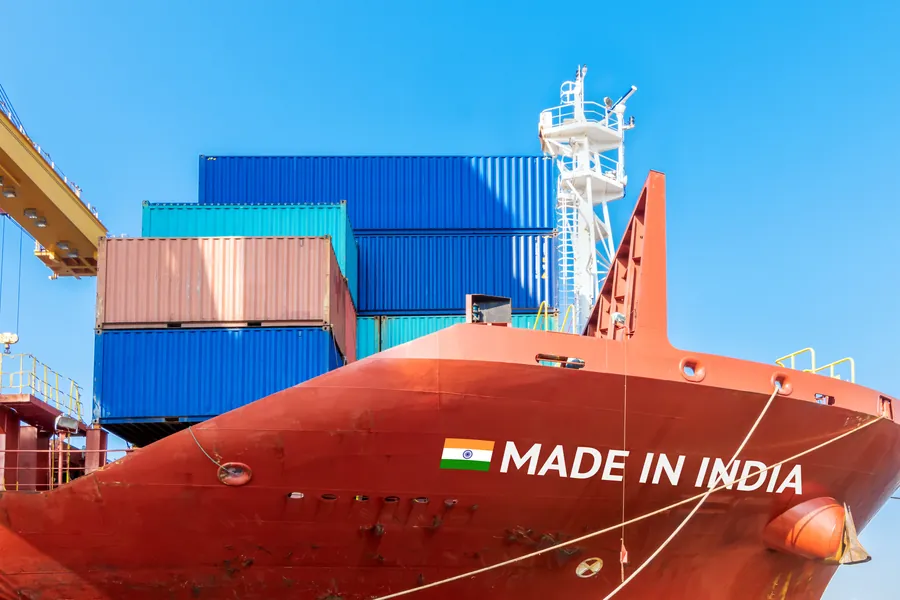
Siddhu: India has the scale, talent, manufacturing capabilities, and distinguished natural-resource base to not just be a supplier but one of the most important strategic partners to the global nutraceutical industry. The next step is to move further up the value chain through strong science, innovation, rigorous quality systems, regulatory excellence, traceability, and globally consistent standards. Making the ‘Made in India’ label truly sought after by both industry and consumers will require greater collaboration among industry, regulators, researchers, and other stakeholders to showcase India’s botanical heritage and demonstrate its capabilities across a much broader range of ingredients.
The greatest opportunity is consistency at scale: raising the bar for quality, scientific evidence, transparency, and regulatory compliance across markets. India has a significant opportunity to lead by example as we collectively strengthen standards across the global industry. Events like Bharat Nutraverse provide an important platform to bring these stakeholders together, highlight the integral role India already plays in our industry, and foster meaningful dialogue on how we can strengthen both the Indian and global nutraceutical sectors.
With Indian ingredients sometimes facing scrutiny over standardization and quality, how is the industry working to build trust with international buyers?
Granato: Trust but verify has been a line for years, but it’s certainly relevant in this case. Suppliers that are committed to quality ingredients must find ways to deliver that story in a way that resonates with international buyers. These buyers are looking for specific details about certifications, sustainability, testing, quality control practices, and much more. Providing that information is foundational to building trust with buyers; delivering quality ingredients consistently keeps the relationship strong. Events like Bharat Nutraverse are helping to build a community where we can communicate our needs and build those bridges for long-term success.
What role do you see women leaders playing in India’s nutraceutical growth, and where is the industry falling short on representation?
Siddhu: Women are at the foundation of the successful Indian nutraceutical industry — from the farm to the lab to the boardroom. Since its founding, WIN has seen tremendous engagement and interest in India, and we are excited about continuing to grow our presence.
Granato: It’s important to recognize that WIN brings together women and men who are committed to the power of gender equality to transform the nutraceutical industry. We need champions who advocate for more opportunities for women in leadership, starting at the first step into management. We need more investment in research on female populations to understand how these ingredients and formulations affect men and women differently. With more women involved in every part of the supply chain, we get different perspectives that allow us to think differently and serve the end consumers with safe, efficacious, amazing products.
 Indian companies can raise the bar for quality, scientific evidence, transparency, and regulatory compliance across markets for greater international partnerships, says Siddhu.WIN’s regional ambassadors and leaders play an important role in bringing the voices, stories, and priorities of their local markets into the global conversation. This cultural lens adds a unique dimension to our industry, enabling us to share global perspectives while listening to and understanding the specific needs of women and the markets they serve. It allows us to build connections and develop solutions that are meaningful locally, while ultimately contributing to progress globally.
Where do you see AI making real impacts in nutraceuticals?
Granato: There are so many applications for AI across the nutraceutical industry. You can see the impact in areas such as clinical research, where organizations can conduct larger decentralized trials and use AI to unpack precision insights as well as help make trials more equitable. AI has been applied in the pharma industry for drug discovery and is now being used across the nutraceutical industry to uncover new molecules and identify those with the greatest health impact or those that may create adverse effects.
Formulators can make use of AI tools to search clinical research, support regulatory compliance and claims development, and even create new products. However, in all of these cases, we have to remember that there is a critical role for human expertise — the importance of discernment and validation. AI is a fantastic tool that accelerates search, expands datasets, and supports faster ideation. But the substance comes from informed application of these tools, with a focus on the human element of what our industry delivers.