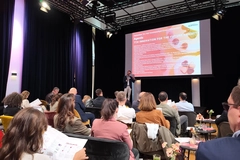



Wastewater technology can track population diets through DNA, researchers say


Key takeaways
- Researchers have developed a technology to analyze food-related DNA in wastewater, offering population-level dietary insights with accurate results.
- Testing across 21 North Carolina wastewater plants, the technology identified regional, seasonal, and income-linked dietary differences.
- The scientists say the technology holds potential for nutrition companies and public health groups to identify market opportunities and intervention needs.

US-based researchers are using the same technology for tracking COVID-19 in municipal wastewater to track dietary habits. The method provides more accurate data on population nutrition, as much of nutritional research is based on surveys and self-reported information.
The technology — Food Landscape Observation in Water (FoodSeq-FLOW) — allows the team to collect data from 21 different wastewater treatment plants across the state of North Carolina.
FoodSeq-FLOW is a wastewater adaptation of the core FoodSeq technology, which is used to identify foods in an individual’s diet based on stool samples. It was originally created during the COVID-19 pandemic, and the new version targets and identifies the DNA markers of plants and animals in human feces.
This gives the researchers detailed data on the population’s diet and makes it possible to identify specific plants or animals that were eaten.
Nutrition Insight sits down with co-author of the study, Lawrence David, Ph.D., associate professor at Edible Atlas, Duke University, in North Carolina, US, to discuss how the technology works and its potential for the nutrition industry and to improve public health.
In terms of how this approach compares with traditional dietary surveys in terms of accuracy, speed, and the types of insights it can provide, David says that traditional data capturing methods, such as food diaries and surveys, “don’t paint the full picture.”
“For one, human memory can be imperfect. And when you get down to the ingredient level, it can be difficult to name all the components that go into a single dish. Furthermore, the time it requires to log days’ worth of meals and snacks can be a nonstarter for many people who are juggling families, jobs, health issues, and more,” he explains.
“Because of this, sample groups that rely on dietary recall data aren’t necessarily reflective of the communities they represent.”
Opportunity for the industry
Published in Proceedings of the National Academy of Sciences, the study using the technology found clear differences in dietary patterns between communities. David tells us how food and nutrition companies could use these kinds of population-level insights to develop products or tailor nutrition strategies.
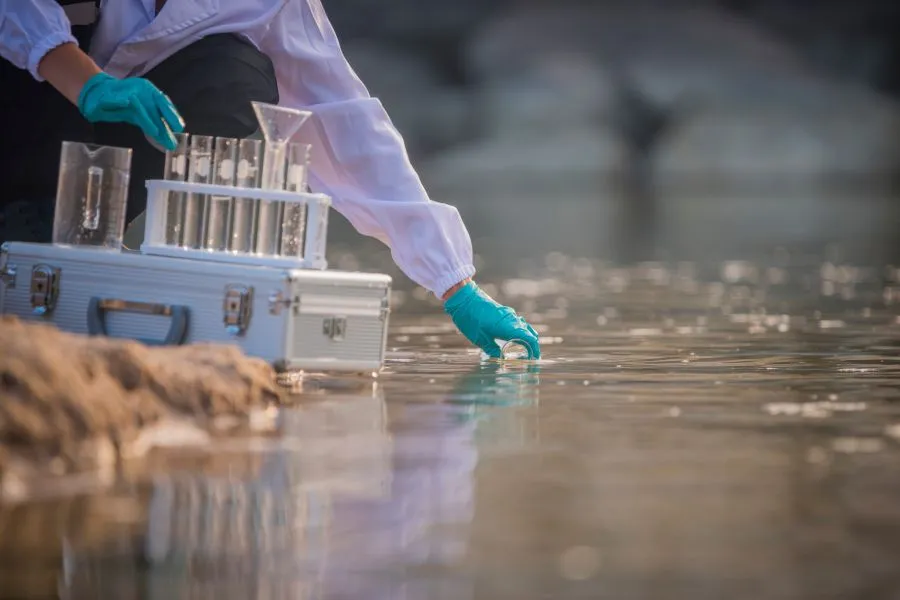 Nutrition companies could use these kinds of population-level insights to develop products or tailor nutrition strategies.“From a business standpoint, I think our data signals where and how companies could be investing their resources. We found that North Carolina consumers living near the coast are more likely to eat native seafood species than their counterparts farther inland; this signals a major opportunity for North Carolina commercial fisheries. Or, if a particular community is shown to consume fewer vegetables and fruits than their neighbors, it could indicate that access to fresh produce is a challenge for residents.”
“Grocers and businesses specializing in healthy eating might consider how they can better reach those communities. Teaching also comes into play here; some consumers may have easy access to whole foods but would benefit from learning recipes and ways to cook those ingredients in palatable ways,” he says.
David notes the biggest opportunity for the nutrition industry — being able to measure community diets in near real time — is multi-layered, with speed and comprehensiveness being the most notable priorities.
“While we’re still optimizing our method right now, we anticipate it being possible to ultimately gather data within days rather than having to collect, collate, and standardize data from multiple sources across weeks to months,” he explains.
“Using DNA markers also offers a wider snapshot of what communities are eating than, say, grocery receipts, which don’t capture eating in restaurants or at a neighbor’s home. Lastly, leveraging wastewater removes the burden of responsibility from community members who may not have the time or ability to participate in a nutrition study.”
Evaluating nutrition interventions
Using the technology, the researchers were able to analyze 183 wastewater samples from 21 facilities in the state. This included data from over two million people, and it identified 123 animal and 184 plant food types across the samples.
The technology was able to identify variations in plant seasonality and different dietary preferences in urban centers compared to other communities, such as more plant-rich diets.
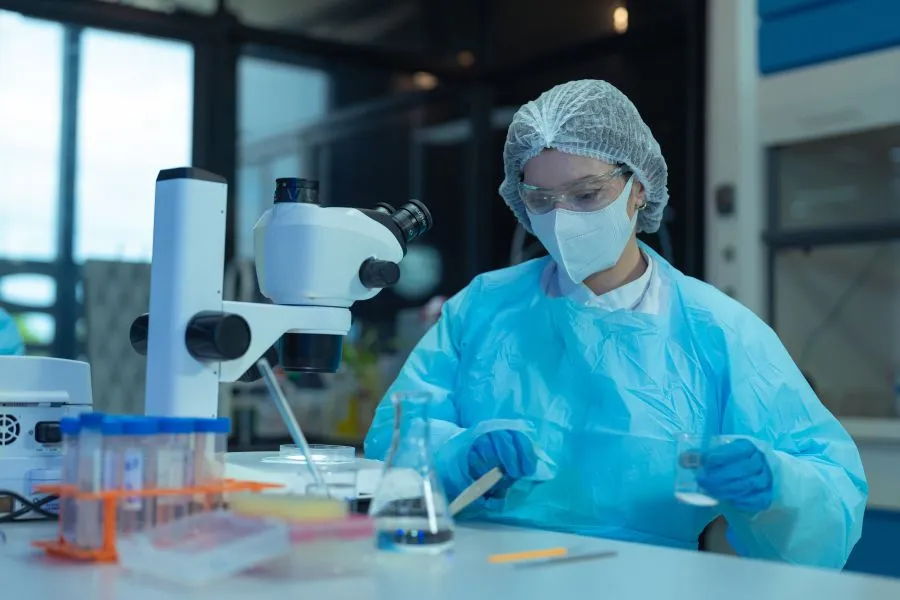 Using the technology, the researchers analyzed 183 wastewater samples from 21 facilities in North Carolina.They also found that higher-income areas consumed more hops and barley — the primary ingredients in beer. Meanwhile, coastal communities consumed more locally caught fish compared to urban residents, who consumed higher amounts of farmed fish species such as Atlantic salmon.
The technology could also be used to identify certain nutrition interventions, such as food fortification, says David. However, he cautions that results would depend on how a particular food is being altered.
“Take fortified bread as an example: We can see the wheat, butter, and sugar that go into it because they originate from plant species. We cannot, however, see if extra vitamins and minerals like iron, calcium, and B vitamins have been added to the dough,” he explains.
The team says it hopes that this research can help bolster a wide range of healthy-eating campaigns, nutritional interventions, and more, since it can capture ingredients that still have DNA in them, which will especially include whole fruits, vegetables, and other produce.
“We do want to be intentional when we wade into anything involving public policy and commerce. We want the data to support nutrition efforts and not be appropriated in a way that could harm the health of a community,” David asserts.
Limitations of the technology
FoodSeq-FLOW’s greatest strength is its ability to accurately identify foods using wastewater samples, but identifying the quantity is more complicated, states David.
 For the future, David says the team envisions FoodSeq-FLOW to have an impact beyond research.“We are able to plot the incidence of a particular plant or animal species and therefore infer whether the amount has increased or decreased over time, but it’s more of a relative estimate than an absolute measurement.”
He adds that there are also challenges in distinguishing some species that are very similar at the genetic level, such as broccoli and cauliflower, which will require a second generation of genetic assays to tell apart.
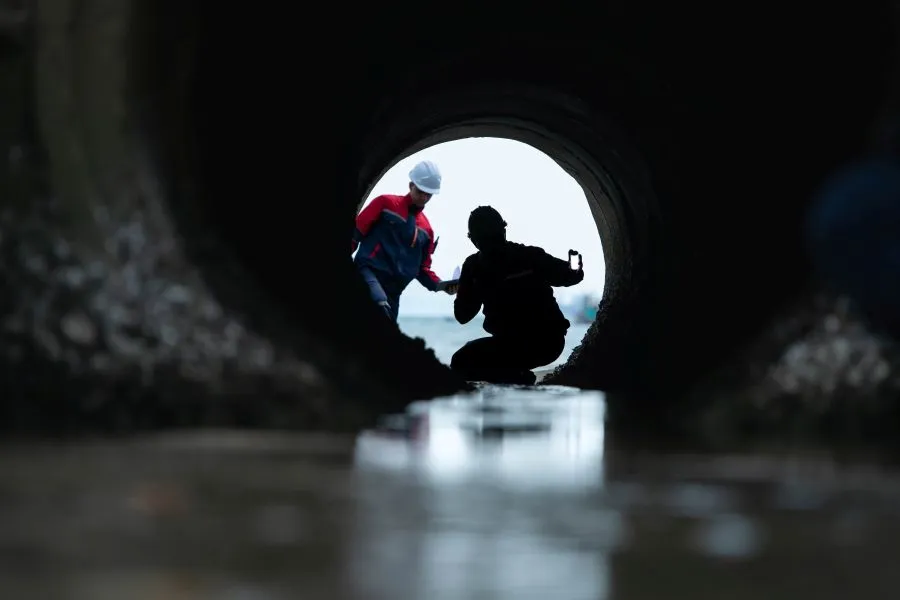
For the future, David says the team envisions FoodSeq-FLOW to have an impact beyond research.
“Ideal applications could include providing data for advocates for food access in underserved communities, understanding seasonal eating shifts, and finding new opportunities to bolster nutrition initiatives, including interventions and education programs. Again, we believe the data should be used to empower and help the communities whose wastewater is being studied.”
“For individuals who wish to monitor their own diet, participants in a nutrition intervention program, or even in-patient care, these analyses could one day offer personalized data that can be used by the individual and, if applicable, their health care provider. Developing accurate and appropriate personal reports is a very active area of research in our group,” he concludes.