


Pomoni pairs olive polyphenols and beetroot in Phenolia Endurance launch for athletes


Key takeaways
- Phenolia Endurance blends Greek olive polyphenols and beetroot designed to target muscle inflammation and increase exercise oxygen efficiency without olive oil calories.
- The capsule-based formula is undergoing third-party testing for more than 285 banned substances to ensure product safety.
- Pomoni aims to rebuild consumer trust in olive products by verifying ingredient purity through independent dual-lab testing and by publishing chemical analysis for every harvest.

Pomoni, a supplement brand based on Greek olive polyphenols, has introduced a new product, Phenolia Endurance, formulated for high-performance athletes.
The product is based on Pomoni’s flagship supplement, Phenolia, which offers the polyphenol content of high-phenolic Greek olive oil without the oil or the calories. Phenolia is sourced from three complementary Greek botanical sources: high-polyphenol olive fruit extract, olive leaf extract, and Sideritis, also known as Greek mountain tea.
Phenolia Endurance infuses Pomoni’s three-source Phenolia base with Greek beetroot for athletes in training and recovery. Nutrition Insight speaks to Dr. Peter Matos, founder of Pomoni, to learn more about the product’s Mediterranean diet heritage and the wider benefits of olive polyphenols.

While Pomoni hasn’t completed a dedicated clinical performance trial on Phenolia Endurance, Matos references research that was published independently of the company, examining the olive-derived polyphenols and beetroot ingredients in the formulation.
“Phenolia Endurance pairs two mechanisms that address different sides of the same problem. Our three-source Greek olive polyphenol base (olive oil, olive leaf extract, and Greek mountain tea/Sideritis) targets the oxidative stress and inflammation that build up during hard training,” he details.
Matos points to oleocanthal — one of the marker compounds in high-phenolic olive oil — which has ibuprofen-like, cyclooxygenase-inhibiting activity that stops pain and swelling.
“This was first demonstrated by Beauchamp et al. in Nature in 2005,” says Matos. “In exercise-specific human trials, an olive-derived, hydroxytyrosol-rich phytocomplex improved running economy and oxygen consumption at lower exercise intensities and produced a modest antioxidant effect in the 24 hours after a demanding aerobic bout (Roberts et al., published in Nutrients).”
He also points to a broader systematic review of polyphenol supplementation across 11 studies that found consistent improvements in time-to-fatigue, mean speed, and power output.
Beets for metabolism
According to Matos, the addition of Greek beetroot delivers the metabolic benefits in the new Phenolia Endurance formula. The ingredient’s nitrate content is converted to nitric oxide, which reduces the oxygen cost of submaximal exercise.
“A 2021 meta-analysis of 73 studies found nitrate supplementation improved power output, time to exhaustion, and distance traveled in endurance exercise (systematic review and meta-analysis). A more recent umbrella review in 2025 confirmed the same pattern for time-to-exhaustion tasks, total distance, and peak power,” he details.
“Together, the polyphenol base is doing the anti-inflammatory or recovery work while the beetroot is doing the oxygen-efficiency work — that combination is the reasoning behind the formulation.”
“We built the formulation and protocol with researchers affiliated with the University of Athens and a sports-medicine physician with experience at the professional endurance level.”
 Greek growers supplying ingredients to Pomoni typically harvest olives when they are still green and the polyphenol concentrations are at their highest.The company is also gathering structured feedback from endurance athletes putting Phenolia Endurance through real training and race blocks, he adds. “Early qualitative feedback has been very positive as well.”
Targeting endurance athletes
Matos explains that endurance athletes generate sustained oxidative stress and transient inflammation from long-duration aerobic effort. Additionally, their performance is highly sensitive to the oxygen cost of submaximal exercise. These are the two variables Pomoni’s two ingredient categories aim to address.
“The nitrate-driven benefits of beetroot are most consistent in exactly the endurance exercise domain: reviews show clear effects on time-to-exhaustion and distance for endurance-type efforts, but much weaker or absent effects for sprint and repeated-power tasks like high-intensity interval training (HIIT). This was demonstrated by a meta-analysis of beetroot and HIIT or sprint performance,” he details.
Moreover, he highlights that endurance athletes train and race for hours at a time, which means their supplement routine needs to be practical. Pomoni saw an opportunity in developing a capsule-based, oil-free daily polyphenol dose that is more convenient than consuming several tablespoons of oil.
“It’s also a natural extension of our brand: Pomoni already sponsors Core4, the Iowa City gravel race, and our existing customer base already skews toward people optimizing training and recovery with our high-phenolic olive oil,” he highlights.
Beyond endurance
Apart from focusing on athletic performance, Matos points to evidence supporting other applications for olive polyphenol supplementation.
“The strongest regulatory-backed use case is cardiovascular: the EU’s only authorized health claim for olive polyphenols is that they help protect blood lipids from oxidative stress, at a threshold of 5 mg hydroxytyrosol and derivatives per 20 g of olive oil (Commission Regulation (EU) No 432/2012) — relevant to any adult managing cardiometabolic risk, not just athletes.”
“Beyond that, general healthy aging and antioxidant or skin health use cases are a fast-growing category for olive polyphenol ‘beauty-from-within’ supplementation,” he notes.
Additionally, he points to the rise in popularity of Mediterranean-diet-linked metabolic support ingredients for areas such as blood glucose regulation and lipid oxidation prevention.
“There are a few converging forces driving this Mediterranean diet trend in supplements,” says Matos. “First, the clinical evidence base for Mediterranean-diet compounds — olive, grape, citrus, or pomegranate polyphenols — has matured enough that regulators have started codifying specific claims, which gives brands a defensible, non-generic story to tell instead of vague ‘antioxidant’ marketing.”
Secondly, he observes that consumers are shifting toward “food first,” regionally traceable ingredients over synthetic actives. “The ‘Mediterranean’ tagline carries built-in credibility that a lab-synthesized compound doesn’t,” he underscores.
“Thirdly, this category is genuinely growing — the Mediterranean probiotic-polyphenol synbiotic concepts market is expected to roughly double by 2036 according to some reports, with olive as the leading source ingredient.”
Greek provenance
Greek growers who supply Pomoni’s ingredients typically harvest olives when they are still green and the polyphenol concentrations are at their highest level.
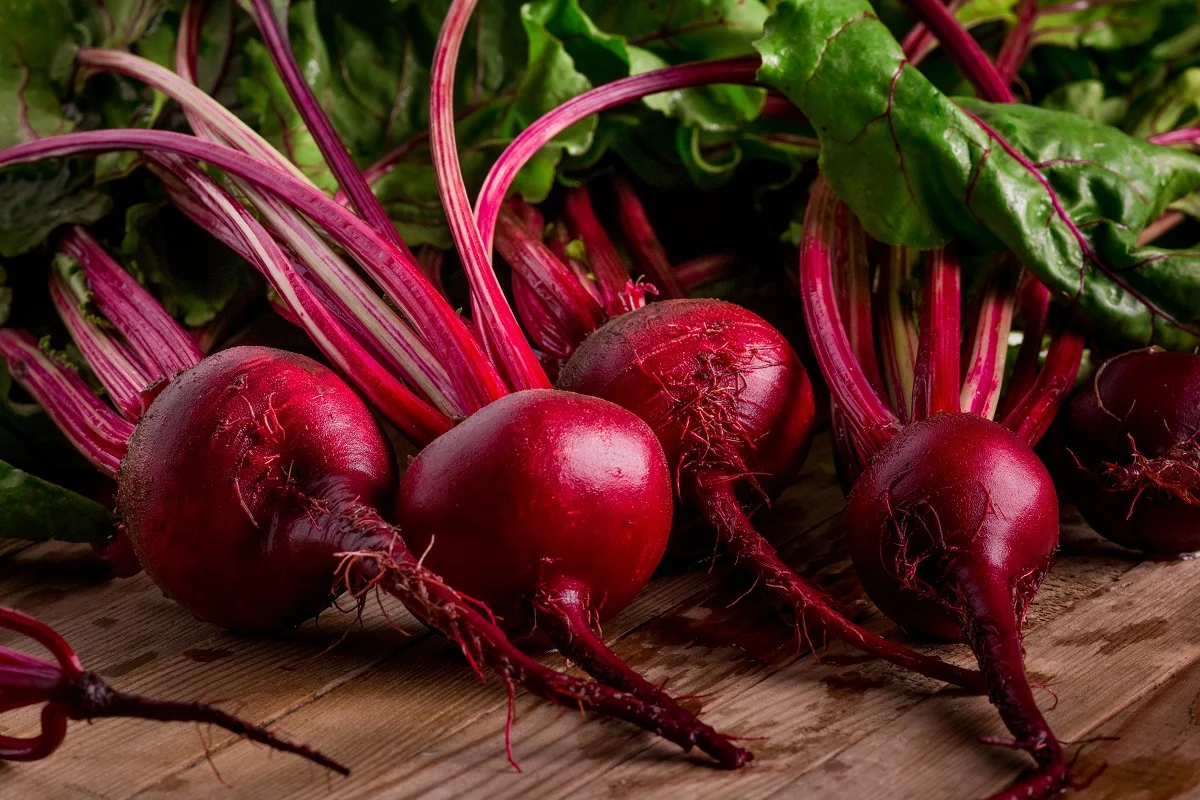 Phenolia Endurance infuses Greek olive polyphenols with beetroot for training and recovery.Every batch of Pomoni’s products is tested by high-performance liquid chromatography (HPLC), which is the methodology recognized by the International Olive Council. The company publishes its results for customers.
The company completes batch-level analytical verification. “Every harvest of olive polyphenol raw material is independently tested by labs in Greece and the US using the same International Olive Council reference method, so we know exactly what’s in each batch,” explains Matos.
Pomoni states that it also runs nuclear magnetic resonance analysis on its products, which it says is more frequently cited by others in the industry but is not grounded in laboratory testing.
“You cannot produce HPLC-verified Greek Olive polyphenols at scale — there is no rushing the process,” says Matos. “You cannot rush a harvest, you cannot rush a stability study, and you cannot rush the evidence.”
“Every shortcut in this category shows up as a number nobody can substantiate later. At Pomoni, we believe evidence-based results are worth waiting for. We publish both numbers but lead with HPLC, because a polyphenol claim that can’t be reproduced in a lab isn’t a claim — it’s an advertisement.”
Regaining trust in olive oil
All Pomoni products, including Phenolia Endurance, are currently undergoing certification with LGC Group in Sport, which is the third-party program used by the Olympics to verify if supplements are free of banned substances.
“Every batch will be pre-release tested against more than 285 substances prohibited by the World Anti-Doping Agency once certification is issued,” says Matos.
He underscores that the biggest opportunity for olive oil extract supplementation lies in “fixing trust versus finding a new molecule.”
“Olive oil is one of the most frequently adulterated food ingredients in the world — cut with cheaper seed oils, degraded oil, even added dye — and most brands still won’t publish a dated, batch-specific polyphenol number at all,” he flags.
In addition, he notes that consumers are increasingly aware that an unverified supplement is not just a wasted purchase, but can potentially be a real health risk.
“The next wave of innovation glory is going to be as much about verification infrastructure — independent, two-lab, every-harvest testing, and third-party sport certification extending into the wider nutraceutical space — as it is about new formulations.”
“Pomoni’s whole model is built around closing the consumer trust gap, and I think it’s where the category is heading,” he concludes.