



Three-quarters of global population is deficient in omega-3, signaling public health gap

Key takeaways
- A large part of the global population does not meet recommended omega-3 levels, highlighting a major public health gap across all life stages.
- EPA and DHA intake remains far below guidance, with researchers urging accessible, sustainable solutions such as enriched foods and supplements.
- Omega-3s support cardiovascular, cognitive, immune, and maternal health, yet inconsistent global recommendations and low seafood consumption hinder intake.

Scientists are calling to increase omega-3 intake as their research concludes that 76% of the global population is not consuming the recommended levels. The study has identified available recommendations and gaps worldwide.
The difference between the recommended and actual consumption of eicosapentaenoic acid (EPA) and docosahexaenoic acid (DHA) was revealed by a collaboration between the UK-based University of East Anglia (UEA), the University of Southampton, and Holland & Barrett.
According to the most frequent recommendations worldwide, adults should consume 250 mg of EPA and DHA together. Pregnant women should take an additional 100–200 mg of DHA.

Co-author Anne Marie Minihane, professor at UEA’s Norwich Medical School, says: “We found big gaps between what’s advised and what most of us consume. To close that gap, we need easier, sustainable ways to get these important nutrients — like foods enriched with omega-3s or supplements. These changes could help more people enjoy the health benefits linked to higher intakes.
“We hope this work will help inform nutritional scientists, clinicians, food and supplement industries, policy makers, and consumer communities.”
Ultimately, meeting the recommendations can boost health and cognition and reduce chronic disease risks.
Importance of omega-3
The publication in Nutrition Research Reviews is touted as the first global review of omega-3s across all life stages.
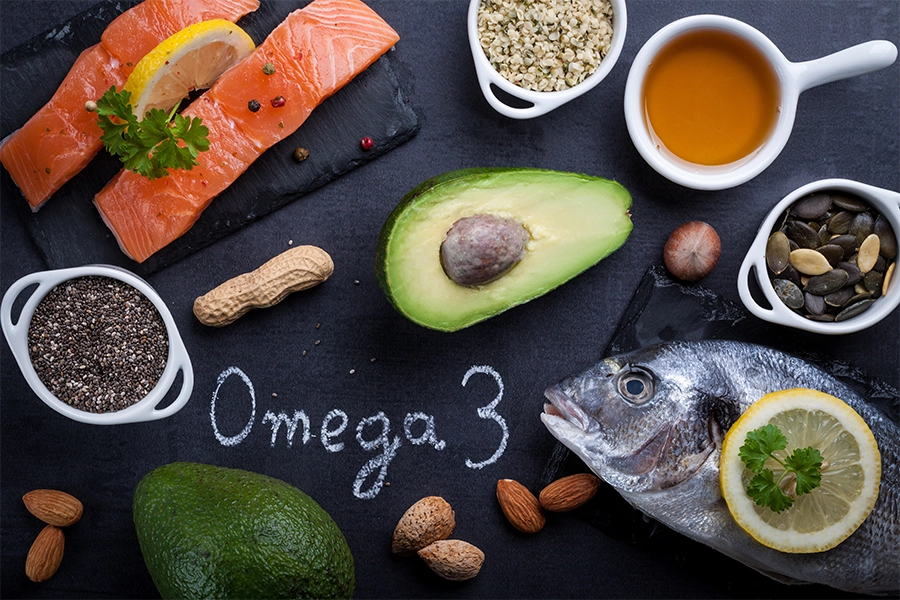 Experts call for sustainable and accessible omega-3 sources as global intake remains critically low.“The health benefits of long-chain polyunsaturated fatty acids, specifically EPA and DHA, are too important to ignore,” says co-author Dr. Abbie Cawood, science director at Holland & Barrett and visiting research fellow at the University of Southampton.
“Achieving recommended intakes from diet alone can be challenging, highlighting the need for accessible, sustainable sources of EPA and DHA. Omega-3s play such a vital role in health, ensuring people can meet their needs either through diet or with the support of supplementation is essential at every life stage.”
She expresses hope that the review will help inform omega-3 dietary guidelines and shape future nutrition policy and public health strategies.
The researchers highlight that omega-3 reduces the chance of preterm birth, supports infant visual and cognitive development, and improves cardiovascular health and immune function. The nutrient also reduces depression and cognitive decline risks.
Clearing the omega-3 confusion
The review seeks to bring clarity to the confusion surrounding omega-3 recommendations. Currently, omega-3 guidance differs by country.
Co-author Philip Calder, professor at the University of Southampton, explains: “The omega-3s EPA and DHA are essential for health throughout life. But to benefit from these nutrients, people first need to understand how much they should be consuming.”
“In this review, we brought together all the recommendations for EPA and DHA intake in healthy populations from authorities around the world to help answer the important question: ‘How much do I need?’ What is clear is that most people are not meeting these recommendations.”
Separate research found that the benefits of supplementing with EPA vary significantly across individuals. Each person has a unique “lipid fingerprint” of lipoproteins in their blood circulation that persists despite the high-dose EPA supplementation.
Other barriers to meeting the recommendations include low seafood consumption, sustainability concerns, and some populations having limited access to supplement advice, note the researchers.
Nutrition Insight previously investigated the regulations and sustainability of Antarctic krill trawling amid rising public scrutiny and climate-stressed krill populations. The animal is a source of EPA, DHA, astaxanthin, and phospholipids used to make supplements and nutritional ingredients for humans and pets.
Recently, we also caught up with dsm-firmenich, Aker BioMarine, GC Rieber VivoMega, and Gelita to explore sustainable algae-based oils to meet the growing demand for omega-3 supplements.