



Gut health champions: Tribiotic supplements, sweetening fibers & ultra-stable postbiotics

Key takeaways
- Emerging “tribiotic” blends are combining prebiotics, probiotics, and postbiotics into everyday food and beverage formats.
- New research linking the gut to broader organ axes is expanding product benefits to target mental, metabolic, and sleep health.
- Heat-stable, non-living postbiotics are unlocking new formulation possibilities across challenging formats like gummies and beverages.
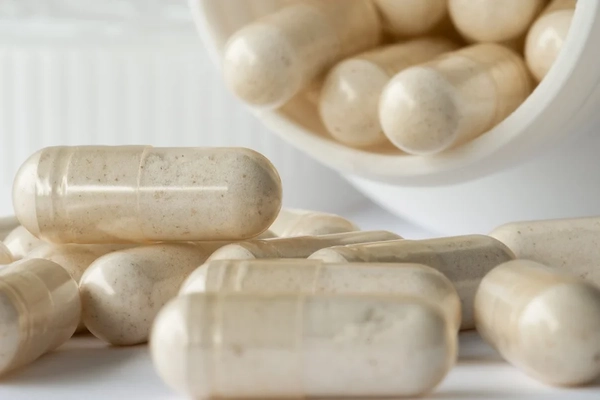
Rapid advances in the global gut health market are bringing forth multifaceted gut health ingredients developed to target more than one wellness area. Driven by diversifying ingredient research, innovation highlights range from stable postbiotics engineered for functional beverages to comprehensive “tribiotic” blends and sweetening prebiotic chicory root fibers.
Nutrition Insight speaks to Ingredion, ADM, and Royal Cosun (Sensus) about multi-benefit solutions, formulation efforts to close the global fiber gap, and how the rise of ultra-stable postbiotics is unlocking new functional food and beverage categories.
“Gut health has evolved from a niche digestive benefit into a core element of everyday wellness, shaping how consumers think about food and beverage choices,” says Vanessa Bailey, senior manager, Healthful Solutions Global Strategy and Innovation at Ingredion.

“Ingredion consumer research shows growing demand for fiber-forward products, with 79% of consumers saying they want to see ‘high in fiber’ claims on the products they buy. This shift is driving innovation toward solutions that integrate digestive benefits into familiar, daily formats.”
Ingredion is responding with metabolic health-supporting solutions that help brands deliver high fiber without compromising taste, texture, or stability. “Our portfolio includes the prebiotic fiber NutraFlora scFOS, which is supported by scientific substantiation demonstrating digestive health benefits, as well as resistant starch solutions and acacia fiber,” says Bailey.
Meanwhile, beverages continue to gain traction as a versatile and enjoyable delivery system. “Functional drink concepts, like barista-style syrups, combine indulgent taste with wellness benefits, for example, incorporating our Esflorin1 postbiotic alongside flavor and sweetening solutions,” highlights Alicia Humpert, global marketing director of Microbiome at ADM.
 Sensus recently expanded its portfolio in the US to include complementary ingredients such as agave inulin.At the same time, Humpert says multi-benefit formulations are advancing through “tribiotic” approaches, which combine prebiotics, probiotics, and postbiotics into a single product for more comprehensive gut health support.
“Our ‘Tribiotic Digestive’ concept is an excellent example, combining ADM/Matsutani’s Fibersol Prebiotic fiber, DE111 (Bacillus subtilis) spore-forming probiotic, and Esflorin1 postbiotic into a single formulation.”
Closing the global fiber gap
Laurens Delameilleure, business lead in Fiber and Prebiotics at Royal Cosun, which is the parent company of chicory root fiber specialist Sensus, emphasizes that one key market driver in the gut health segment is the global fiber gap.
“Demand is currently strongest in North America and Europe, where supplement markets are well established, while Asia-Pacific is rapidly gaining traction as awareness around gut health continues to grow,” he notes.
Delameilleure observes continually strong growth in convenient supplement formats such as gummies, sachets, stick packs, and powders, which enable the inclusion of efficacious dosages of prebiotics.
Emerging applications include functional beverages with digestive benefits, dairy alternatives, and plant-based products with added fibers, as well as nutritional snacks that combine gut health with metabolic positioning. “Increasingly, we also see interest in solutions that connect gut health to broader wellness areas, such as satiety and metabolic health,” adds Delameilleure.
Sensus recently expanded its portfolio in the US to include complementary ingredients such as agave inulin. “Similar to chicory root fiber, agave inulin’s prebiotic properties have been substantiated by human studies demonstrating a selective beneficial bifidogenic effect and digestive support,” says Delameilleure.
A growing body of research further links the microbiome effects of these specific prebiotics to systemic metabolic effects, including mental and brain health. “A recent study using our Sensus chicory inulin showed improved social and emotional well-being related to quality of life, besides improved stool habit in constipated individuals,” Delameilleure notes.
“Unlike many emerging ingredients positioned as ‘prebiotic,’ our solutions are supported by decades of clinical research and, moreover, are recognized prebiotics by the International Scientific Association of Pre- and Prebiotics (ISAPP), endorsing a clear and validated prebiotic effect,” he adds.
ADM’s gut-brain axis research
ADM says its latest innovations in gut health are rooted in an expanding scientific foundation, led by a global network of more than 140 scientists and 35 clinical trials focused on the gut microbiome.
“This work is designed to identify targeted microbial strains that address evolving consumer health needs with precision and efficacy,” says Humpert.
 One key market driver in the gut health segment is the global fiber gap.Growing scientific evidence also continues to highlight the gut microbiome’s role as a regulator of whole-body health. Humpert says this includes its interaction with multiple gut-organ axes, which are complex communication pathways linking the gut to the brain, skin, metabolic, immune, and muscular systems.
One key advancement is new clinical research examining ADM’s Esflorin1 postbiotic (Bifidobacterium longum CECT7347) and individuals with allergic rhinitis. “Ongoing research investigating different wellness areas represents both the versatility and substantial targeted formulation opportunities with gut microbiome solutions,” Humpert adds.
Meanwhile, ADM’s Lactobacillus gasseri CP2305 postbiotic reflects progress in targeting the gut-brain axis. “Supplementing one’s diet with L. gasseri CP2305 postbiotic may support emotional well-being and reduce stress, and may also be associated with better sleep efficiency, reduced time to fall asleep and sleep latency, healthy overall sleep quality, and improved total sleep duration,” explains Humpert.
Critical commercial challenges
One of the key challenges in commercializing gut health solutions remains the clear and compliant communication of prebiotic benefits, notes Delameilleure.
“Many ingredients do not meet the recognized ISAPP scientific definitions and guidance for ‘prebiotic,’ which are essential for making a prebiotic claim,” he explains.
“Key organizations such as International Life Sciences Institute-Europe and International Probiotics Association Biotics align with ISAPP’s definition and criteria based on joint and aligned prebiotic monographs and infographics.”
 Looking ahead, postbiotics are poised to support the next wave of gut health and wellness applications.Delameilleure underscores that not only must all prebiotic messaging be supported by robust human data, but it must also be aligned with local regulatory frameworks, which can differ significantly across regions.
Looking ahead for gut solutions
Looking ahead, postbiotics are poised to support the next wave of gut health and wellness formats, according to ADM. “Unlike probiotics, postbiotics are non-living microorganisms that retain efficacy under challenging formulation conditions such as heat, moisture, and low pH,” Humpert highlights.
“This stability opens the door to broader application innovation, from powders to beverages, gummies, snack clusters, and more. Plus, as research into gut-organ axes continues to expand, future products will increasingly target whole-body health outcomes, positioning the gut as a central hub for integrated wellness solutions.”
Delameilleure at Sensus says the overall category is evolving from trend-driven “gut health” messaging toward a stronger focus on evidence-based prebiotics with the development of stricter regulatory frameworks.
“A recent example is the Health Canada Prebiotic Monograph, which includes pre-cleared prebiotic inulin from chicory and agave sources with conditions for claims, among others,” he highlights.
“We expect growing interest in multifunctional fibers that deliver both the health and technological benefits, such as sugar reduction and texture improvement. To this end, we have unique solutions at Sensus, including the sweetest prebiotic fiber available on the market.”
Delameilleure concludes that another dominant trend is the rising attention around metabolic health, including GLP-1-related pathways. “This is accelerating demand for scientifically substantiated ingredients tailored to individuals using GLP-1 therapies. Foods positioned as ‘GLP-1 support’ are emerging across many food categories and complementary dietary support during or after pharmacological treatment.”