


Future PCOS supplements? Akkermansia probiotic reverses symptoms in animal study

Key takeaways
- AP improved hormone balance, ovarian function, and glucose control in a PCOS rat model.
- The probiotic treatment reshaped the gut microbiota and boosted L-arginine production, revealing a gut-arginine pathway central to symptom relief.
- Supplementing L-arginine alone reproduced AP’s benefits, highlighting the gut-metabolite axis as a promising target for PCOS management.
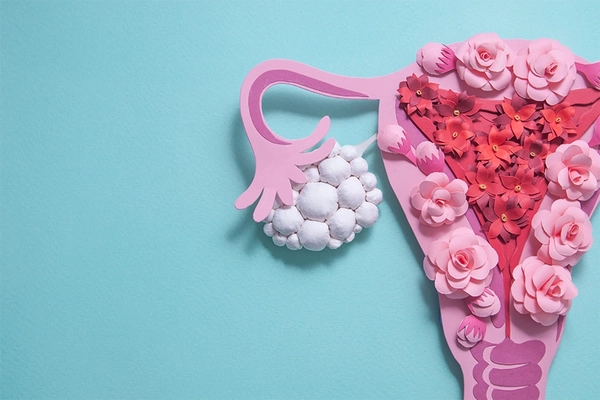
A study has found that targeting the gut microbiota and metabolic pathways might provide therapeutic strategies for managing Polycystic ovary syndrome (PCOS). Researchers tested a method in rats using the probiotic strain Akkermansia muciniphila PROBIO (AP). The team used the prohormone dehydroepiandrosterone (DHEA) to induce PCOS in the animals.
The chronic endocrine-metabolic disorder commonly impacts many reproductive-aged women. The researchers note PCOS’ prevalence ranges from 5% to 18% globally. PCOS causes reproductive abnormalities, is the leading cause of infertility, and is frequently accompanied by insulin resistance, dyslipidemia, and obesity.
In the test, the rats were treated with AP over 35 days and showed improvements in reproductive and metabolic parameters. Such as reduced hormone levels and better glucose homeostasis with no change in body weight. The hormones involved stimulated follicles, including luteinizing hormone, serum testosterone, and androgen.

According to mechanistic analyses, AP was noted to alter the gut microbiota composition. The rats experienced a rise in arginine biosynthesis, suggesting that the gut microbiome and metabolic pathways are key to new solutions for managing PCOS.
Probiotic interventions
The researchers note that emerging research increasingly indicates disturbances in the gut microbiota during PCOS development, suggesting the potential of probiotic interventions.
Proposed mechanisms underlying the ameliorative effects of AP in DHEA-induced PCOS rats (Image credit: Higher Education Press).They chose A. muciniphila since it is increasingly gaining traction as a promising next-generation probiotic. It has been shown to be effective against several metabolic disorders, such as obesity, type 2 diabetes, cardiovascular disease, and non-alcoholic fatty liver disease.
The bacterium works in many ways, such as modulating the gut microbiota, reinforcing the intestinal barrier, regulating the immune response, and optimizing metabolic pathways.
Other recent studies also showed that A. muciniphila were low in number in DHEA-induced PCOS mouse models and human PCOS patients compared to healthy controls. The team thought that previous studies suggested a potential role for A. muciniphila in PCOS.
Effects of AP on PCOS symptoms
The scientists administered live AP (1 billion live bacteria per milliliter) two weeks before DHEA exposure.
The test revealed that AP addresses several PCOS-related abnormalities compared to placebo. For instance, it lowered serum testosterone levels, free androgen index, and luteinizing hormone to follicle-stimulating hormone ratio.
Also, the research shows that gonadotropin-releasing hormone levels, which regulate reproduction, trended toward normalization.
Notably, glucose homeostasis improved significantly in the rats with no body weight changes, suggesting that AP has direct effects on insulin signaling rather than side benefits from weight reduction.
The researchers also saw that reproductive function was restored after AP treatment with changes to cystic follicles, reduced corpora lutea, and thinning of granulosa cell layers, which are PCOS symptoms.
Gut microbiota analysis showed that AP partially reversed DHEA-induced dysbiosis by suppressing pathogenic bacteria and increasing the abundance of beneficial ones.
The team used two main techniques — 16S rRNA gene sequencing for gut bacteria and untargeted metabolomics to detect metabolite changes. These helped them uncover the potential of treating PCOS with AP.
Key amino acid: L-arginine
The Frontiers of Medicine study also revealed that AP increased the body’s production of the amino acid arginine, which DHEA had reduced.
Researchers confirmed that arginine provided benefits by examining another group of PCOS rats that were given only L-arginine.
They found that this produced the same positive effects as AP, such as lower androgen levels, balanced reproductive hormones, healthier ovaries, and normal reproductive cycles.
Previously, Nutrition Insight spoke with BioGrowing about its Akkermansia and Flora-Focus probiotics for natural health solutions.