




Meatly pitches cultivated meat as 52% of UK pet owners raise factory farming concerns

Key takeaways
- A Meatly-commissioned YouGov survey finds that 52% of UK cat and dog owners worry their pet’s food comes from factory-farmed animals.
- Most owners (61%) say it’s important to know where the meat in pet food comes from, with women feeling this more strongly than men, the survey finds.
- Meatly positions cultivated meat as a more traceable alternative, and 40% of owners see a role for it, with better welfare as the top motivator.
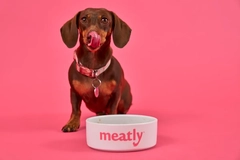 All image credits: Meatly.
Meatly-commissioned YouGov research finds that more than half of UK cat and dog owners (52%) are concerned that their pet’s food comes from factory-farmed animals.
The research also indicates that 59% are concerned that the meat in pet food comes from countries with lower welfare standards than those in the UK. Meanwhile, 61% consider it important to know where the meat comes from.
“We’re a nation of animal lovers, but most of us probably know far more about where the meat on our own plates comes from than the meat that we feed our pets every day. What is most apparent is the disconnect between how people feel about animals and how much they can actually know about the meat in pet food,” says Owen Ensor, CEO of Meatly.

“This research shows that many owners are worried about factory farming and whether meat could have been produced in countries with lower welfare standards, but that information isn’t easily available from looking at the pack. Many of the pet food companies and associations we speak with want clearer label requirements and are asking the meat industry to create more transparent and traceable supply chains.”
The research’s total sample size was 2,156 adults, of whom 1,012 were cat or dog owners, and the fieldwork was undertaken between August 6 and 8, 2026.
Need for quality meat
The research finds that the need to know more about the source of meat in pet food is more pronounced among women (66%) than among men (54%).
 Owen Ensor says owners know more about the meat on their plates than about the meat in their pets’ bowls.
“Pet food depends on the wider meat supply chain, including factory farming systems that many pet owners are uncomfortable with,” comments Ensor. “If we care about how animals are treated, it’s reasonable to ask where the meat in our pets’ food comes from and how those animals were raised.”
Industry players previously told Nutrition Insight that pet families increasingly expect pet food to match human nutrition standards on transparency, sustainability, and proven health benefits.
Consumer attitudes to cultivated meat
Meatly says that it is developing cultivated meat from animal cells without raising or slaughtering animals for pet food. It believes that the technology provides an alternative to factory-farmed meat used in pet food, with shorter, more traceable supply chains.
The research finds that many pet owners are open to alternatives, with 40% agreeing that cultivated meat could play an important role in improving animal welfare and reducing the use of factory-farmed meat in pet food. However, 12% disagree that the technology could play an important role.
“Pet owners clearly care about where meat comes from and how animals are treated. Meatly was founded on the belief that there should be another way to produce the meat our pets need without relying on factory farming,” says Ensor.
The research finds that 42% chose better welfare as the most-selected factor that would make them consider cultivated meat for their pet. Following this, 28% chose greater traceability than traditional pet food, 27% selected being free from antibiotics and hormones, and 23% selected lower environmental impact.
“Cultivated meat won’t change the pet food system overnight, but it can give owners another way to feed their pets real meat that’s produced without raising and slaughtering animals,” concludes Ensor. “We can also give pet food companies another ingredient option with a much shorter journey from where it’s made to the pet’s bowl.”