


South Korean trial links perilla oil to cardiovascular health benefits in smokers


Key takeaways
- Perilla oil contains up to 70% ALA, supporting its potential as a plant-based alternative to fish oil for boosting omega-3 intake.
- An eight-week clinical trial in 65 healthy smokers revealed that perilla oil supplementation significantly improved platelet function and reduced inflammatory markers.
- The oil elevated plasma levels of beneficial omega-3 fatty acids like ALA and EPA, helping regulate blood coagulation and support overall vascular health.
South Korean researchers reveal that perilla oil supplementation improved smokers’ inflammatory markers and blood clotting in a clinical trial, in addition to boosting participants’ circulating levels of beneficial omega-3 fatty acids.
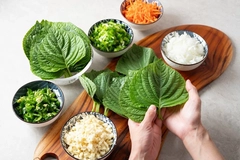
The oil is extracted from perilla leaves (Perilla frutescens), an aromatic herb that is a staple side dish in Korean barbecue and is popular across other Asian cultures for various culinary and medicinal purposes.
The oil contains up to 70% of α-linolenic acid (ALA), an essential omega-3 acid that is documented to have anti-inflammatory and antioxidant properties, as well as support cardiovascular health.
To learn more, Nutrition Insight speaks to study lead Ji Yeon Kim, a professor and lead researcher in the Department of Food Science and Biotechnology at Seoul National University of Science and Technology, South Korea.
She highlights that while perilla oil is known for its high ALA concentration, its positive cardiovascular effects are still underexplored. “Perilla oil is one of the richest plant-based sources of ALA, containing roughly 60–70%.”
“It is also widely used in the Korean diet and can help improve the dietary omega-6-to-omega-3 balance. This made it a practical and relevant plant-based intervention.”
Kim adds that perilla oil offers potential for use in plant-based omega-3 supplements, salad dressings, and nutritional drinks. “The main challenge is preventing oxidation, so stable formulations and appropriate packaging will be important.”
Food heritage
In South Korea, perilla leaves are traditionally eaten pickled or as a fresh wrap for seasoned meats. Locals also commonly consume the oil extracted from the plant’s seeds.
The study in Food and Function assessed the effects of perilla oil supplementation on blood coagulation and circulation, as well as inflammatory markers, through a randomized double-blind, placebo-controlled, parallel group trial.
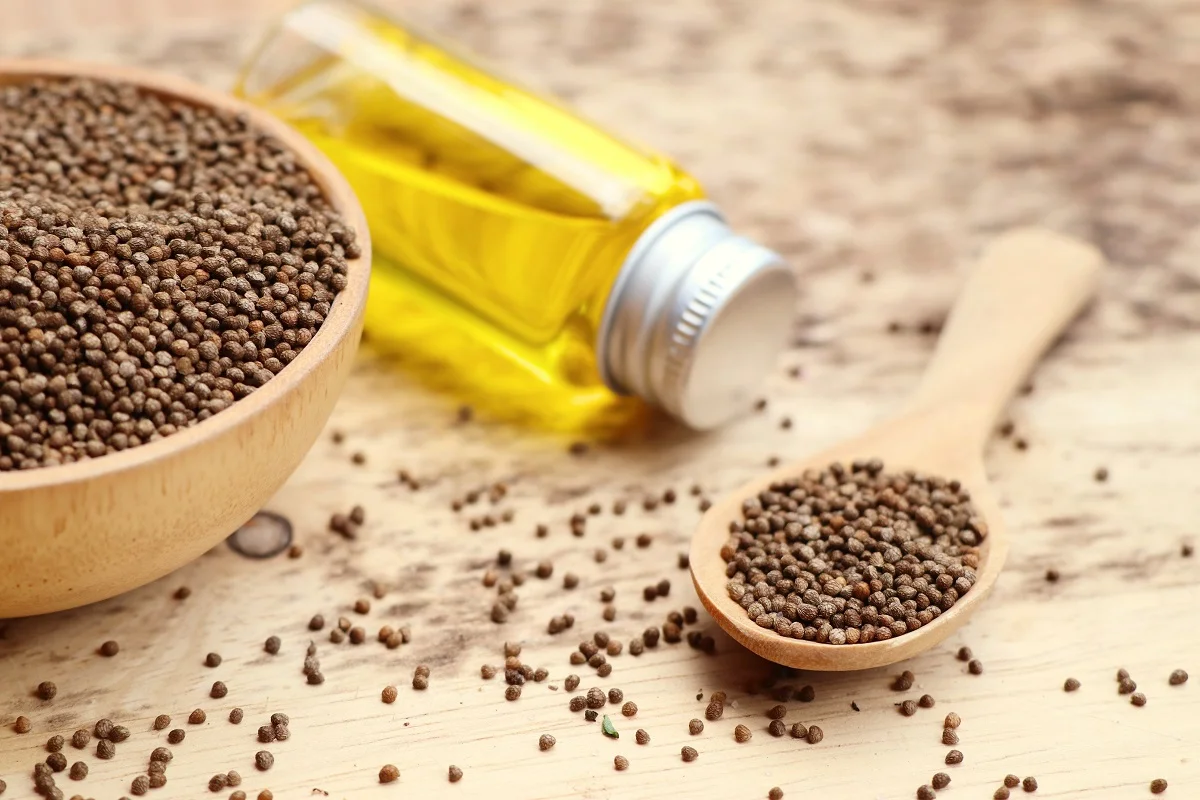 South Korean locals traditionally consume perilla oil for its medicinal properties.The trial involved 65 healthy smokers between the ages of 19 and 69 years. The researchers note that smoking is a major risk factor for cardiovascular disease and is associated with substantially higher cardiovascular mortality than non-smokers.
Participants had no clinically significant diseases and were not taking regular medications, details the paper. An independent third party randomly assigned each of them to receive either three perilla oil capsules, twice daily, or visually identical placebo capsules.
After eight weeks, the researchers tested the participants for various biological markers. Compared to the placebo group, participants supplementing with perilla oil significantly prolonged collagen-induced ADP closure time (C-ADP CT), which measures how well blood can form clots.
Perilla oil supplementation also reduced the mRNA expression of inflammatory markers, specifically tumor necrosis factor-α (TNF-α) and T-box transcription factor 21 (TBX21).
Anti-inflammatory effects
Moreover, perilla oil raised levels of ALA and its metabolites in plasma and red blood cells, while boosting plasma levels of EPA, an omega-3 fatty acid associated with anti-inflammatory effects and lower triglyceride levels that is commonly consumed through fish oil.
“Perilla oil provides ALA, while fish oil directly provides EPA and docosahexaenoic acid (DHA),” explains Kim. “Perilla oil is well absorbed, but conversion of ALA into EPA and DHA is limited. Therefore, fish oil is generally more effective for increasing EPA and DHA levels, while perilla oil is a useful plant-based alternative for improving ALA intake.”
The scientists also discovered that higher EPA levels were positively correlated with longer C-ADP CT, which suggests a relationship between omega-3 status and platelet function.
The team also performed a high-fat, high-glucose loading test, which is often used to assess the cardiovascular effects of functional dietary ingredients under metabolic stress.
In this test, perilla oil did not produce significant benefits, suggesting that a longer supplementation period may be needed to detect such effects.
“The results of our study show that perilla oil supplementation positively modulates blood coagulation and reduces inflammation, even in individuals with high oxidative stress, such as smokers,” comments Kim. “Perilla oil can be easily integrated into daily diets as a vegan-friendly alternative to fish oil for individuals seeking to manage vascular health.”
Future research directions
More research is still required to form stronger associations, Kim notes. However, the findings support that perilla oil could be an accessible, everyday dietary intervention to potentially improve blood flow and to reduce the risk of cardiovascular events.
“The results are promising, but they should be interpreted cautiously because the study involved healthy smokers,” says Kim. “Similar effects may be seen in people with low omega-3 intake or high cardiovascular risk, but this needs to be confirmed in larger studies, especially in patients with established heart disease.”
“The next step is larger and longer clinical trials involving diverse groups, including non-smokers and people with cardiovascular disease. We need to confirm the optimal dose, long-term effect, and whether perilla oil improves meaningful cardiovascular outcomes, not only short-term biomarkers.”
Cardiovascular disease is among the leading causes of death worldwide. In South Korea, the researchers flag that it is the second most common cause of mortality, and its incidence has continued to rise in recent years.