



Mouse study links soy lysolecithin to blood pressure and memory gains on high-salt diets


Key takeaways
- Lysolecithin (LPC70) derived from soy was shown to lower high blood pressure and improve memory and social deficits in mice fed a high-salt diet.
- The researchers say the compound regulates protective prostaglandin signaling between cells, which helps normalize kidney function and reduce inflammation in the brain.
- Based on the mouse model study, LPC70 shows potential as a functional food ingredient to combat high-sodium health risks.

New research in mice from Fujita Health University in Japan has found that soy-based lysolecithin with lysophosphatidylcholine (LPC), called LPC70, reduces hypertension from a high-salt diet, social behavior deficits, and memory impairment related to recognizing objects.
According to the study authors, these findings suggest LPC70 — consisting of 70% phospholipids — could serve as a functional food ingredient to offset cardiovascular disease and cognitive decline linked to high sodium intake. They add that it may be especially relevant for populations with high dietary salt intake.
The scientists explored how LPC70 counters the harms of excessive sodium by boosting protective prostaglandin signaling — communication between cells using fat-based signaling chemicals that control inflammation, pain, and blood flow.
Prostaglandins naturally act as the body’s internal shield, protecting the stomach lining from acid and keeping blood flowing to major organs.
“We wanted to understand the role of LPC70 in coordinating changes in protective prostaglandin signaling across organ systems,” says lead study author Akihiro Mouri, a professor from the Department of Regulatory Science for Evaluation and Development of Pharmaceuticals & Devices at Fujita Health University’s Graduate School of Medical Science.
This paper originated from a collaborative research project with Tsuji Oil Mills, a company that develops naturally derived food ingredients.
Cognitive, behavioral, and kidney benefits
Writing in Neurochemistry International, the researchers explain that prostaglandins are responsible for maintaining cardiovascular homeostasis through a balance between vasodilation and vasoconstriction — the widening and narrowing of blood vessels.
They highlight that, in the brain, protective prostaglandins (lipid compounds) can promote either neuroprotective or neurotoxic signaling, depending on the receptor involved. This modulates emotional and cognitive functions.
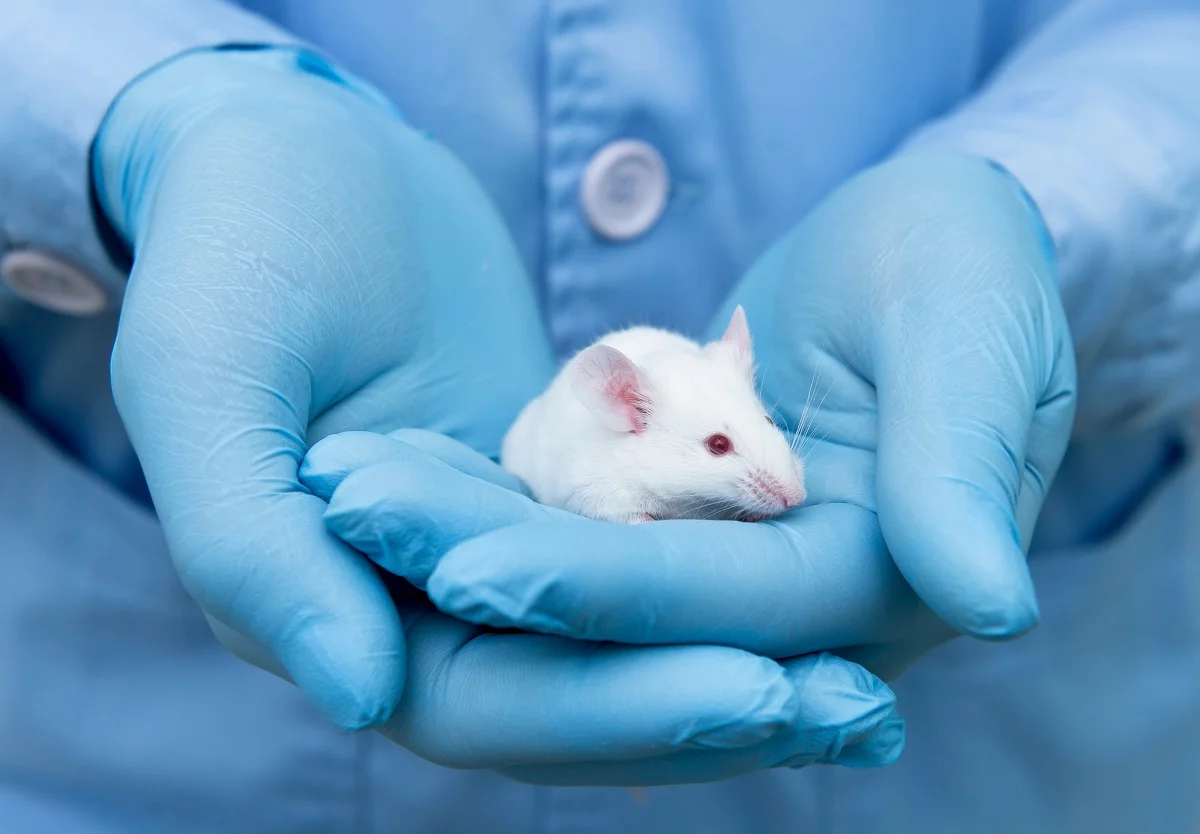 When the mice were fed a high-salt diet, they showed signs of impaired behavioral and cognitive functions, as well as elevated blood pressure.Although LPC70 has been shown in previous research to reduce hypertension and cognitive impairment linked to a high-salt diet, the scientists say its biological mechanisms have been unclear.
The study involved eight-week-old male mice, as the researchers note female mice exhibit relative resistance to salt sensitivity and hypertension caused by angiotensin II, a hormone that narrows blood vessels and raises blood pressure.
When the mice were fed a high-salt diet, they showed signs of impaired behavioral and cognitive functions, as well as elevated blood pressure.
They specifically displayed signs of reduced social interaction and impaired object recognition memory, despite no major changes in locomotor activity or anxiety-like behavior.
However, LPC70 supplementation lowered the increased blood pressure and improved both social behavior and object recognition memory in high-salt diet mice.
The researchers also noticed that the high-salt diet increased the protective prostaglandin E2 receptor EP3 in the mice’s kidneys. Because this receptor is involved in protective prostaglandin signaling, it may contribute to high-salt diet-induced hypertension, the scientists highlight.
They note that LPC70 supplementation reduced these high-salt diet-associated changes in mice, suggesting that it can help normalize impaired protective prostaglandin signaling in the kidney.
Neuroprotective and anti-inflammatory benefits
Overall, the study authors say their findings indicate that LPC70 promotes organ-specific, receptor-dependent protective prostaglandin signaling, suppressing maladaptive pathways in the kidney while restoring neuroprotective signaling in the brain.
In the mice’s prefrontal cortex — a region of the brain involved in cognition and social behavior — the high-salt diet reduced expression of the protective prostaglandinD2 receptor DP1, which mediates neuroprotective and anti-inflammatory signaling.
Additionally, the paper notes that LPC70 did not affect a receptor associated with neurotoxic signaling.
The researchers believe this receptor-specific response indicates that LPC70 can help shift protective prostaglandinD2 signaling toward a more neuroprotective profile, which could lead to behavioral and cognitive improvements.
Boosting arachidonic acid
The study team explains that protective prostaglandins are derived from arachidonic acid. Another important finding of their paper was related to the changes in the circulating levels of this acid.
Despite a high-salt diet reducing circulating arachidonic acid levels in mice, supplementing with LPC70 boosted their arachidonic acid-derived protective prostaglandins, including prostaglandinE2 and prostaglandinD2.
This suggested that LPC70 enhances arachidonic acid utilization, which supports arachidonic acid-derived protective prostaglandin production under high-salt diet conditions.
“Our study elucidates LPC70’s role in protective prostaglandin signaling, laying the groundwork for future clinical research and dietary interventions aimed at reducing hypertension-related cognitive decline and promoting healthy aging globally,” concludes Mouri.
These findings were released just as global regulators are tightening nutrition standards. With greater scrutiny placed on ultra-processed foods, sodium reduction comes into greater focus in reformulation strategies driven by stricter salt limits.