



HER report spotlights the complexity of UPFs, arguing not all are unhealthy


Key takeaways
- A new report argues that not all UPFs should be treated equally in food policy, distinguishing between healthier plant-based UPFs and unhealthy animal-based products and sugary drinks.
- The report comes as the US continues developing a federal definition for UPFs, which could shape taxation, advertising rules, and food standards in programs like the National School Lunch Program.
- The report also warns against “health halo” marketing, where fortified or protein-enhanced products are promoted as healthy despite being classified as UPFs.

A new report by Healthy Eating Research (HER) emphasizes the distinctions between different types of ultra-processed foods (UPFs), arguing that certain healthier options in this category should be exempted from food policies discouraging consumers from eating them.
The Physicians Committee for Responsible Medicine (PCRM), a national health advocacy nonprofit, comments on the report, arguing that plant-based UPFs such as breakfast cereal may bring health benefits to humans, while animal-based UPFs and sugary drinks have consistently been found to be harmful.
“Many people have been told to avoid processed foods, but the science is clearly telling us that we need to be more nuanced,” says Noah Praamsma, registered dietitian with PCRM.

“Processed meat like bacon, hot dogs, and deli meat should absolutely be avoided, but many plant-based foods that are considered ultra-processed, like breads, cereals, and meat alternatives, are actually good for your health.”
While underscoring that UPFs are not all the same, the report also notes that UPFs have been linked to obesity, cardiovascular disease, type 2 diabetes, depression and anxiety, poor sleep, chronic kidney disease, mortality, and other chronic diseases.
The US has one of the highest consumption levels of UPF globally, and is estimated to be at 53–58% of calories consumed by adults and 62% by youth, notes the report. A recent study found that 71% of US baby foods are classified as UPFs, including infant and toddler products sold in the top ten US grocery store chains.
Lack of definitions
The report follows as the US federal UPF definition lacks a national consensus, bringing states to develop their own definitions focusing on nutritional value, processing techniques, and select additives. The US Department of Agriculture (USDA) began to seek input for a definition last year, which is still pending.
 Praamsma highlights the need for policies informed by science, not ideology.When approved, it will be used to inform policy, including limits on taxation and advertising, and what types of foods may be served as part of the National School Lunch Program and other government-run food service facilities.
“We need policies informed by science, not ideology, and that are robust enough to actually promote beneficial food and discourage unhealthy foods,” adds Praamsma.
Due to the lack of consistency within this classification system, some nutrient-rich products, such as tempeh, are also categorized as ultra-processed even though there are no reported negative health impacts related to their consumption.
However, prior studies on plant-based UPFs have shown contradicting health effects to what the PCRM ascribes to these meat- and dairy-free options.
One study suggested that UPFs with mainly plant-based ingredients are not necessarily healthier, as they were linked to a higher risk of cardiovascular diseases and death. Non-UPF plant-based foods in the analysis were consistently proven to lower these risks, an author of the study told Nutrition Insight.
Another study found that low- or non-processed plant-based foods had a 40% lower risk of causing cardiovascular disease compared to animal-based foods.
Meanwhile, experts have previously cautioned that more research is needed to conclude the link between UPF consumption and diseases or mortality.
Health halo
The HER report also criticizes the industry for marketing products as healthy when fortifying foods with nutrients such as protein isolates, vitamins, non-sugar sweeteners, and fortified products.
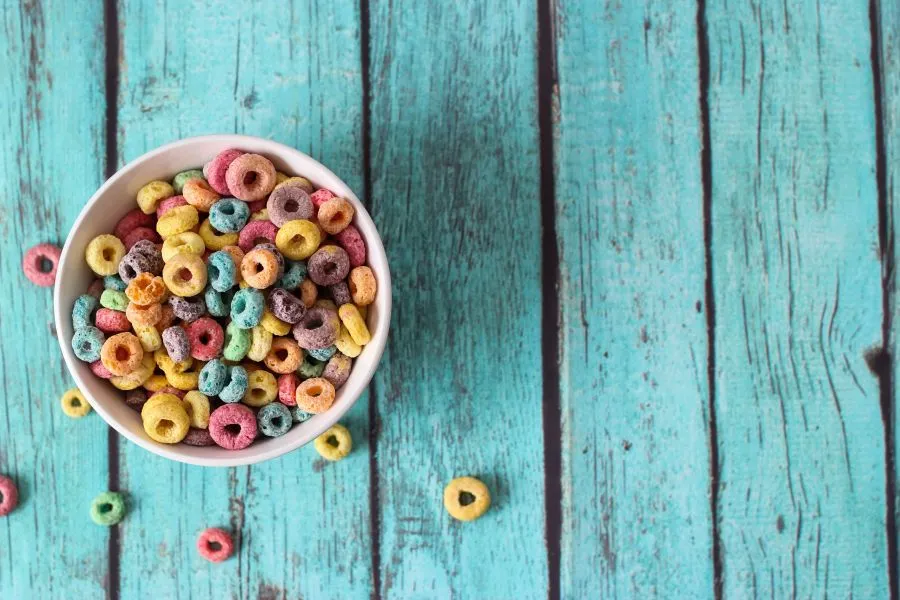 Adding nutrients to UPFs and marketing them as healthy creates a “health halo” around products that are actually unhealthy.It says this creates a “health halo” around products that are actually classified as ultra-processed.
“Products may contain healthful ingredients but still be considered UPFs. For example, products containing whole grains, a healthful ingredient, may also contain added sugars, flavorings, and/or colors, and be produced through high-temperature extrusion that destroys their natural food structure,” notes the report.
Additionally, authors of the report stress that processing level alone cannot be a determining criterion for the healthfulness of foods. The process of UPFs has been criticized as it fails to capture all dimensions of whether a food is healthy.
“However, the UPF framework is not intended to serve as the sole measure of nutritional quality. Rather, it provides an additional, important, and independent metric that complements traditional nutrient- and food group-based approaches,” details the report.
“Thus, processing-based approaches should be used alongside other dietary assessment approaches in policy and communication efforts aimed at improving diet quality and health.”