





Gut bacteria enzyme linked to longevity improves metabolic health in aged mice
Key takeaways
- Researchers found that increased BSH activity in the gut microbiome, also seen in centenarians, may be protective rather than a sign of age-related decline.
- In aged male mice, engineered BSH-producing bacteria improved insulin sensitivity, body composition, and mitochondrial function. The human link remains associative.
- The study supports a shift from whole-microbiome approaches toward targeting specific microbial functions.

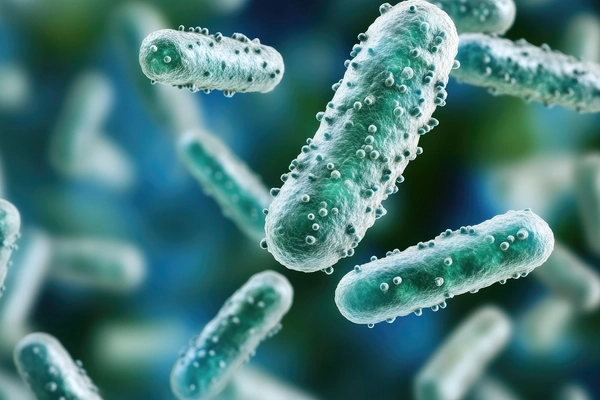
Researchers have linked a bacterial enzyme in the gut to exceptional longevity in humans and found that boosting the same activity with engineered bacteria improved metabolic health in aged male mice.
The team from the University of California (UC), San Diego, in the US suggests that some gut microbiome changes may be protective rather than signs of decline. Their study examined gut bacteria that produce bile salt hydrolase (BSH), which modifies bile acids in ways that influence pathways involved in metabolism, inflammation, and the body’s internal clock.
To learn more, Nutrition Insight speaks with senior author Amir Zarrinpar, MD, Ph.D., Stuart and Barbara L. Brody Endowed Chair in Circadian Biology and Medicine and professor of medicine at UC San Diego School of Medicine.

Search for clues
The Cell Metabolism paper suggests that aging-related changes in the gut microbiome could be harnessed to support healthier aging, though the study does not establish a direct link.
“We had long known that there is circadian dysregulation with aging both in mice and humans. We wondered whether the microbiome changes induced by circadian dysregulation contributed to the dysmetabolic effects of aging,” says Zarrinpar, who is also the co-director of the Center for Microbiome Innovation and co-founder of Endure Biotherapeutics.
“However, though we replicated previous reports showing circadian mal-effects of aging, we noticed that there was an increase in bacterial bile acid deconjugation, a change that we associate with time-restricted feeding, which is protective against the effects of aging. This caught us by surprise and made us wonder whether these bile acid changes were protective or deleterious.”
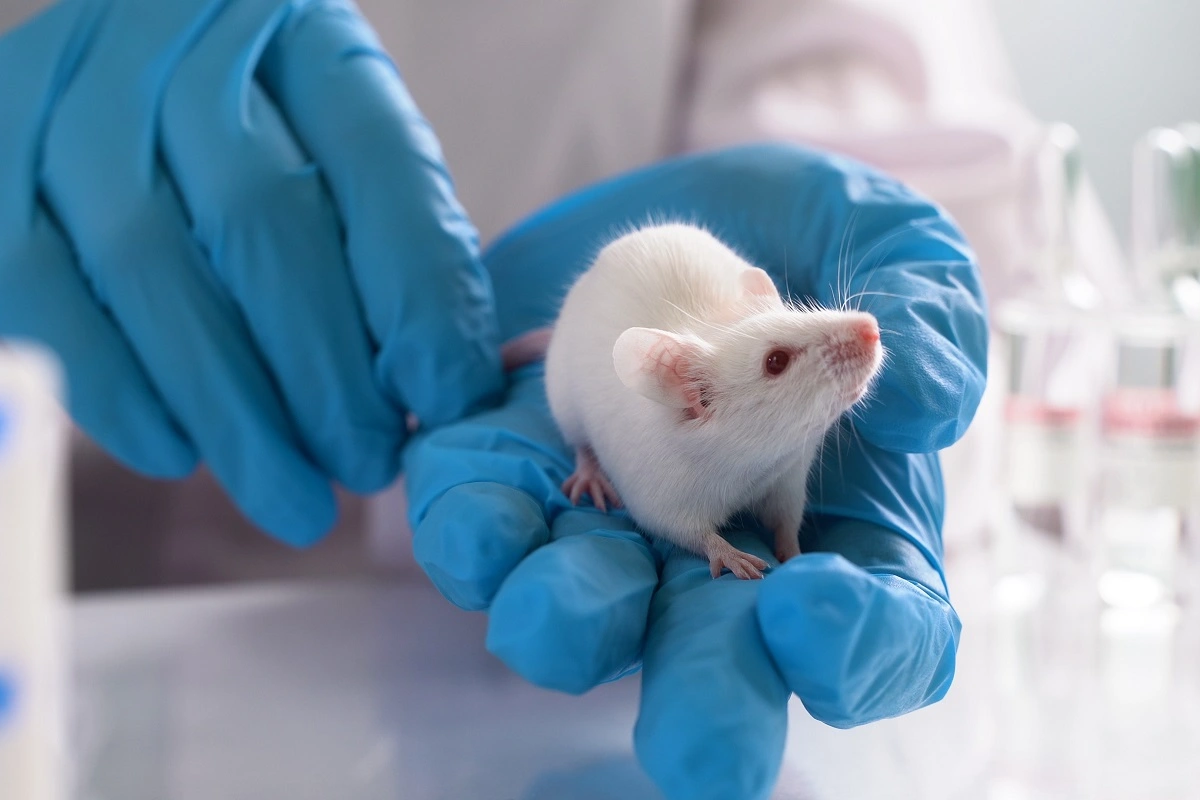 Zarrinpar says the BSH findings remain associative in humans and need further testing.He says the team’s first hint came from human data where similar changes in centenarians’ microbiome were observed. After this, engineered bacteria were used to amplify this effect in 82-week-old mice, considered aged, which led to protective effects, adds Zarrinpar.
“Though we showed that BSH activity may be protective in mice, we have not yet shown this in humans, and it’s still associative. But we are hopeful that we will be able to understand this well enough to use either engineered bacteria or other ways of manipulating what the microbiome does to test this in humans.”
What is the role of bile acid?
After around 20 weeks of treatment, male mice receiving the BSH-producing bacteria showed significant improvements in insulin sensitivity and modest improvements in glucose tolerance compared with mice receiving a matched control bacterium, note the researchers.
At 32 weeks, they report that the treated mice had changes consistent with lower body weight and fat mass while having greater lean mass. Additionally, fat was increasingly used for energy in these mice, they add, with improved mitochondrial function and changes in gene activity related to inflammation and the body’s internal clock.
Reflecting on how bile acid changes affect metabolic health, given the improvements in insulin sensitivity, body composition, and mitochondrial function in the mice, Zarrinpar says the topic is under ongoing research in his team’s laboratory.
“There are canonical bile acid receptors that detect these bile acid changes induced by the gut microbiome and help the host make metabolic decisions. We believe the effects of these changes are mediated by these receptors, but of course, we will have to do more tests,” he notes.
“However, our unpublished studies seem to indicate that these receptors alone do not explain all the changes we are seeing, so they likely have an effect on multiple systems. For example, our data seem to indicate that these bile acid changes improve mitochondrial efficiency and decrease intestinal inflammation, neither of which we had associated with these receptors, so, as with any good study, this one raises more questions.”
 (1).webp) Zarrinpar’s company Endure Biotherapeutics is trying to engineer bacterial products for humans.Zarrinpar says the study identifies a relationship between a specific microbiome function and aging. He says that the goal is not just to live longer, but to understand the biology of some people who remain resilient as they age, where the microbiome holds many clues and opportunities unlike other aspects of aging that are not modifiable.
Engineered bacteria versus natural diets and probiotics
When asked whether BSH activity can be boosted without engineered bacteria, for example, through probiotic strains, diet, or targeted nutrition, Zarrinpar remarks that this is the “million-dollar” question.
“There are some probiotics that may have increased BSH activity. We are considering doing a study where we use a probiotic with increased BSH activity versus the same species without that activity to determine whether it has an outsized effect,” he shares.
“But the hope is that we will identify what products from bacteria are driving these physiological changes and through what specific receptors, so that we can more repeatedly affect the same pathway.”
“In terms of diet, our mouse studies have shown that time-restricted feeding has boosted BSH activity (and improved longevity). Moreover, there have been a number of health benefits attributed to time-restricted feeding in human studies, but it’s not yet clear whether time-restricted feeding in humans improves BSH activity or prolongs human life or health.”
Targeted microbiome approaches
According to Zarrinpar, his team’s study shifts the field further from whole-microbiome approaches toward enhancing specific microbial functions.
“It definitely strengthens the case for developing treatments around specific microbial functions. These microbial functions can be induced by probiotics, prebiotics, communities, or, as in our case, engineered live bacterial therapeutics.”
“I think it will be important to figure out why the host believes these signals are important and why it is making important metabolic decisions based on them. In my opinion, moving away from composition to a more nuanced understanding of bacterial functions will help us better understand how we can use the microbiome to treat a myriad of diseases,” he says.
The study suggests that researchers might eventually identify beneficial microbial functions to selectively enhance them. The team shares that future studies will research how various BSH forms affect certain aspects of aging and whether the approach works similarly in females due to sex-based differences in aging.
Potential for human applications
Discussing how far his study findings are from human application, Zarrinpar notes that engineering a native bacterium from humans is still required. Further, it would have to be tested in studies to prove safety and persistence, while reliable manufacturing of the strain will also be needed, he adds.
“A company that is trying to do this is Endure Biotherapeutics, which has demonstrated that the concept of engineered native bacteria works in pigs or larger mammals,” says Zarrinpar, who co-founded the company and holds equity in it.
“Also, the recent FDA approval of bacterial products as treatments makes me optimistic that they will approve engineered live bacterial products soon. My hope is that this is not that far off from humans with the right investments and regulatory guidance.”




Upcoming webinars

The future of infant nutrition: From science to success
Valio

From tiny guts to big impact: the powerful potential of probiotics in children’s health
Novonesis

Inside GLP-1 lives: real consumer insights to inspire innovation
FrieslandCampina Ingredients